
Find the Style That Feels Like You
In short: an engagement ring’s style is decided by its setting — where the detail sits and how the centre diamond is presented. Some designs focus on a single stone; others add surrounding diamonds, a decorated band or a distinctive setting for a different look.
Choosing a ring often begins with the style. This guide walks you through each one — what it is, why people love it and what to keep in mind — so you can picture the look you want and move naturally to the right collection.
Find Your Style
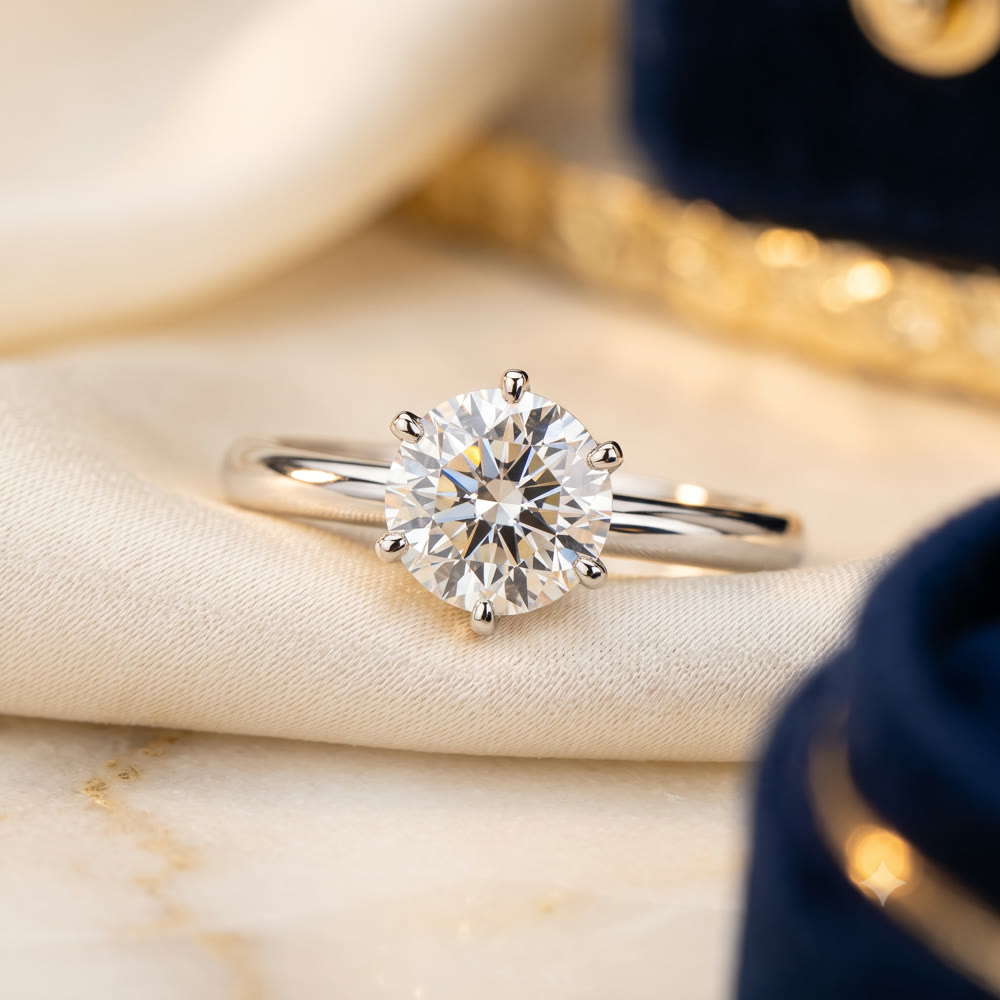
Solitaire Engagement Rings
A solitaire engagement ring features a single centre diamond as the sole focus of the design, with no side stones competing for attention.
Why people choose it
- A clean, timeless look that never dates
- The centre diamond remains the star
- Suits almost every diamond shape
- Pairs easily with a wide range of wedding bands
What to consider
- Setting height
- Prong or bezel style
- Band width
- How the wedding band will sit alongside
Popular diamond shapes: Round, Oval, Emerald, Radiant, Pear, Marquise
Shop Solitaire Rings →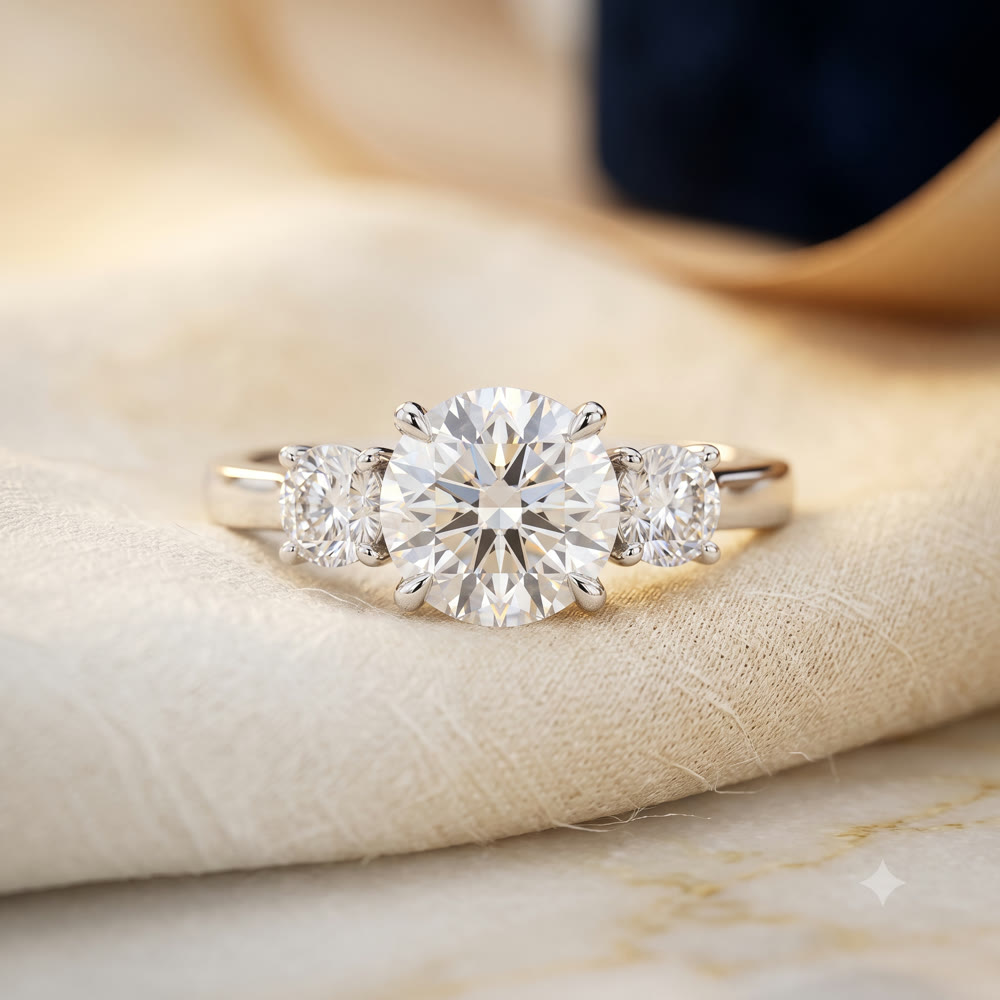
Three Stone Engagement Rings
A three stone ring sets a centre diamond between two supporting stones, creating a balanced, symmetrical design. It is often associated with the idea of past, present and future.
Why people choose it
- More visual presence across the finger
- A balanced, symmetrical composition
- Room to mix diamond shapes
- A meaningful design association
What to consider
- Proportion between the centre and side stones
- Overall finger coverage
- Wedding band pairing
- Setting width
Popular diamond shapes: Round, Oval, Emerald, Pear, Cushion
Explore Three Stone Rings →
Halo Engagement Rings
A halo design surrounds the centre stone with a border of smaller diamonds, adding sparkle and framing the outline of the main stone.
Why people choose it
- A detailed, brilliant appearance
- Extra surrounding sparkle
- Can make the centre stone look larger
- Works with many diamond shapes
What to consider
- Single halo versus double halo
- Wedding band fit around the halo
- More detailed cleaning
- Overall visual scale
Popular diamond shapes: Round, Oval, Cushion, Pear
Shop Halo Rings →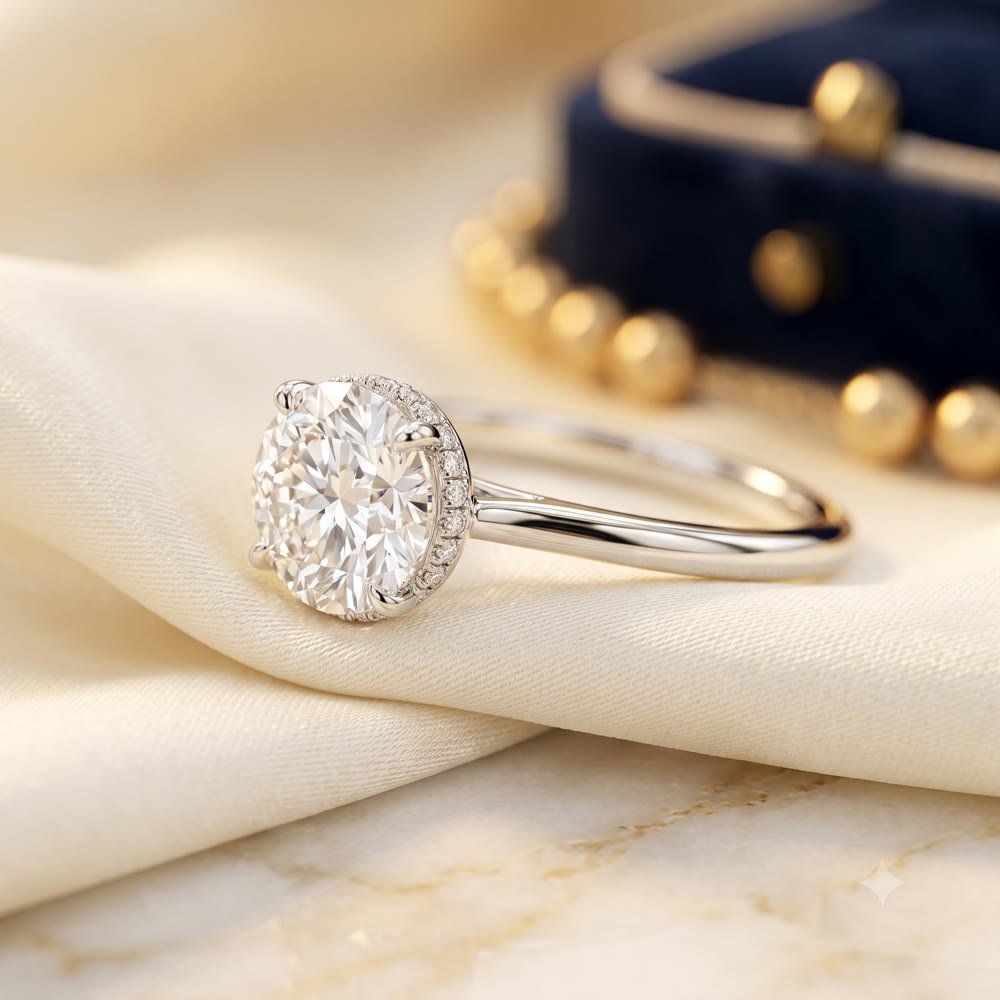
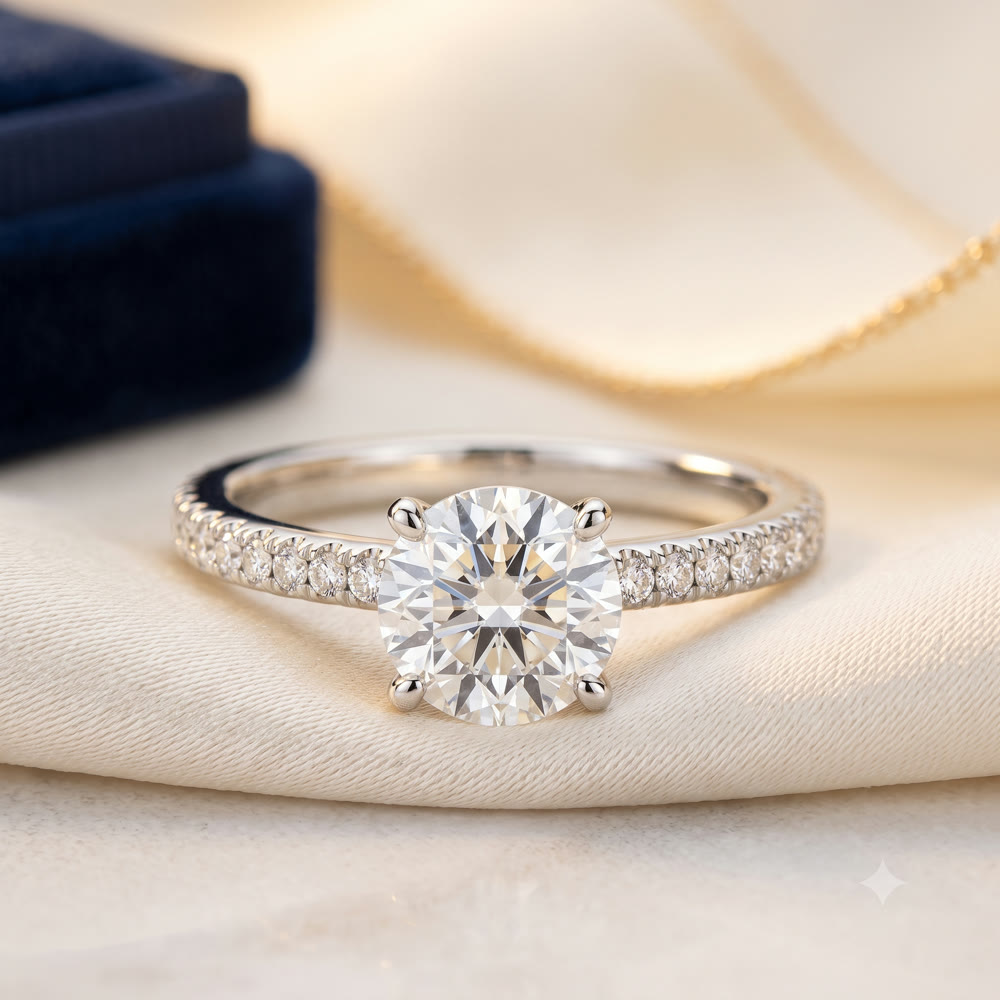
Pavé Engagement Rings
Pavé refers to small diamonds set closely along the band to create a continuous line of sparkle. It is often combined with a solitaire, halo or hidden halo centre.
Why people choose it
- Added sparkle along the band
- A detailed, luxurious appearance
- Complements many centre diamond shapes
What to consider
- Band width
- How much of the band is set
- Care of the small stone settings
- Wedding band pairing
Popular diamond shapes: Round, Oval, Emerald, Princess
Shop Pavé Rings →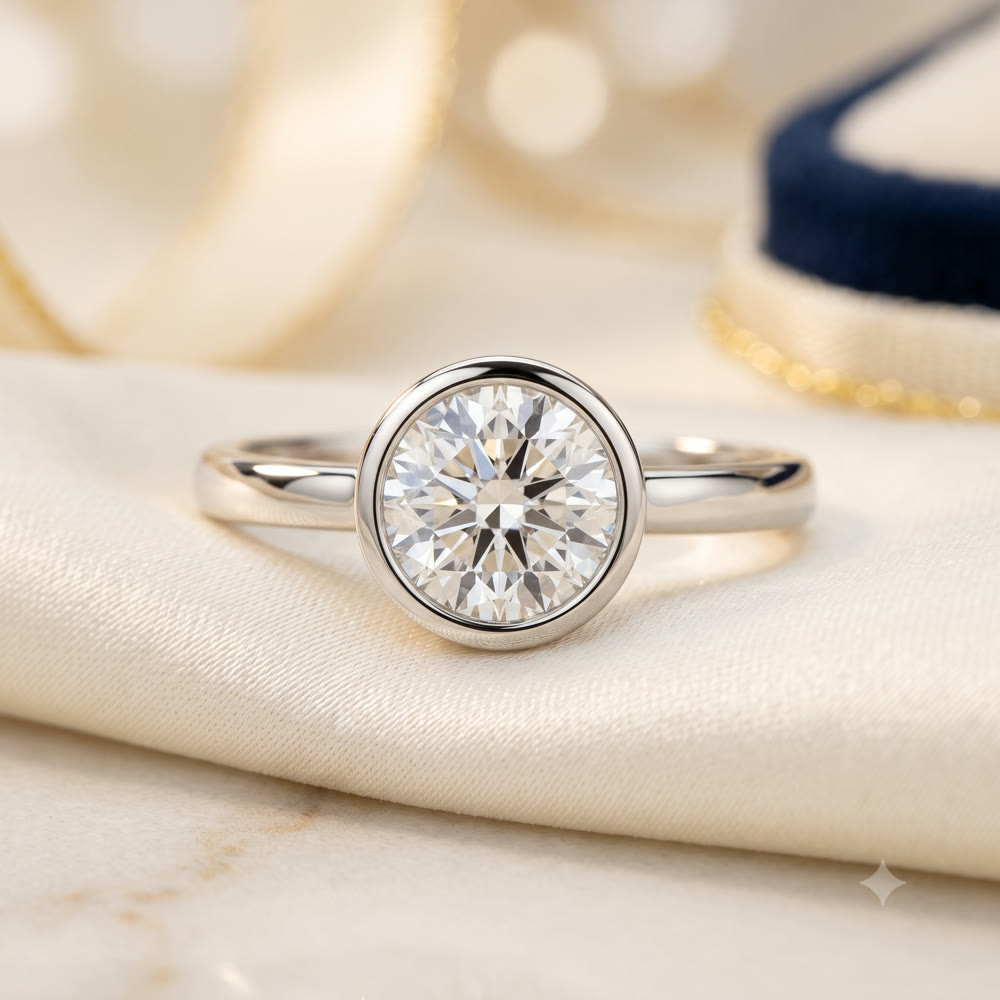
Bezel Engagement Rings
A bezel setting uses a rim of metal around part or all of the diamond’s edge, giving a smooth, defined outline instead of visible prongs.
Why people choose it
- A defined, modern appearance
- A smooth visual outline
- A distinctive alternative to prongs
- Suits both contemporary and vintage-inspired designs
What to consider
- Full versus partial bezel
- How much metal is visible
- Diamond shape
- The overall profile
Popular diamond shapes: Round, Oval, Emerald, Cushion
Shop Bezel Rings →
Side Stone Engagement Rings
Side stone rings place smaller diamonds beside the centre stone to extend brilliance across the top of the ring.
Why people choose it
- Greater visual width
- Added detail around the centre diamond
- Many shape combinations
What to consider
- Proportion of centre to side stones
- Side stone shape
- Finger coverage
- Wedding band pairing
Popular diamond shapes: Round, Oval, Pear, Marquise
Explore Side Stone Rings →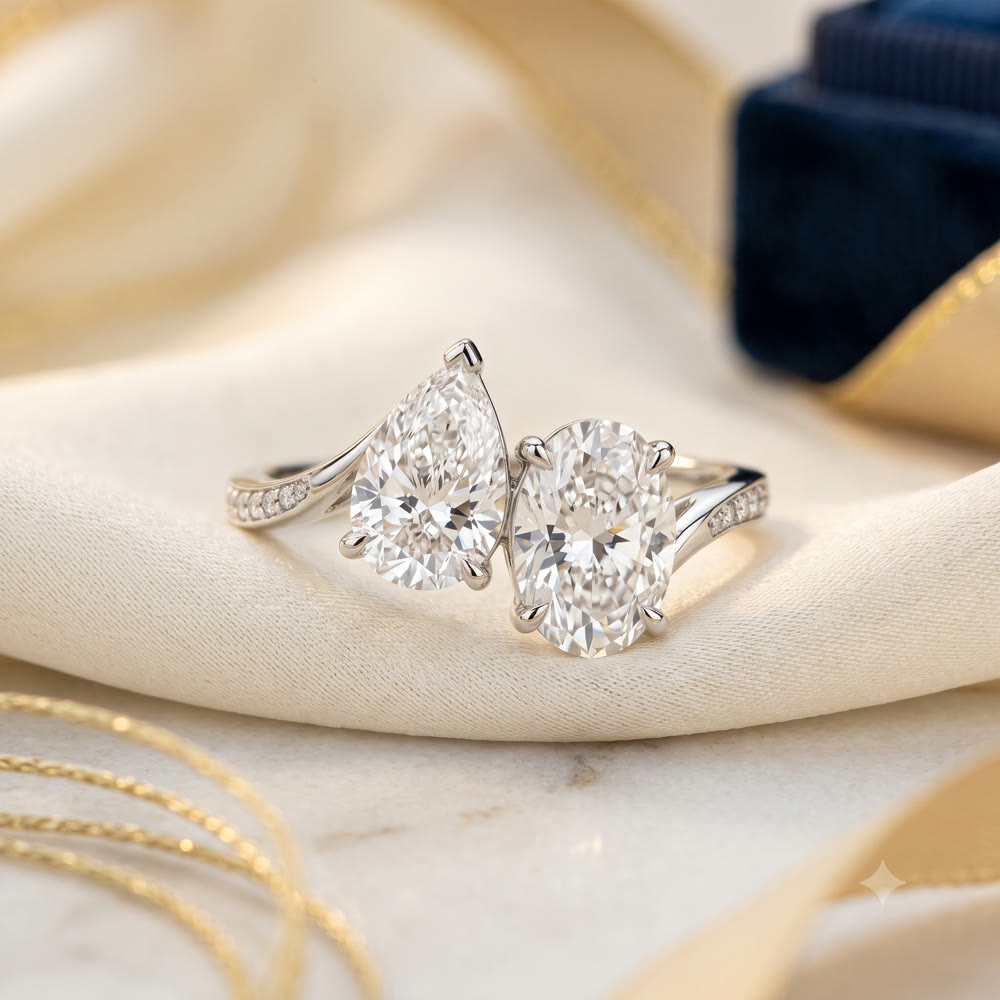
Toi Et Moi Engagement Rings
A Toi et Moi ring uses two principal stones within one design. The style is often associated with the idea of two people joined together.
Why people choose it
- Distinctive, asymmetric character
- The chance to combine two shapes
- A visually striking design
- Plenty of scope to make it personal
What to consider
- The pairing of shapes
- Overall balance
- Wedding band pairing
- Setting height
Popular diamond shapes: Oval + Pear, Emerald + Pear, Round + Marquise
Shop Toi Et Moi Rings →
Vintage Inspired Engagement Rings
Vintage-inspired rings draw on design influences associated with earlier jewellery periods. Details may include milgrain edging, geometric patterns, decorative galleries and intricate shoulders.
Why people choose it
- Detailed character
- Distinctive craftsmanship
- A romantic, historical influence
What to consider
- More detailed cleaning
- Wedding band fit
- The level of ornamentation you prefer
Popular diamond shapes: Oval, Emerald, Cushion, Asscher
Explore Vintage-Inspired Rings →
Minimalist Engagement Rings
Minimalist designs focus on restrained lines, balanced proportions and limited decorative detail, letting shape and proportion lead the design.
Why people choose it
- An understated appearance
- Easy, clean simplicity
- Lets the diamond shape lead
What to consider
- Centre stone proportion
- Band width
- The level of sparkle you want
Popular diamond shapes: Round, Oval, Emerald
Shop Minimalist Rings →
Bridal Sets Engagement Rings
A bridal set combines an engagement ring with a coordinating wedding band, designed to sit and look well together.
Why people choose it
- A planned visual pairing
- Complementary profiles
- A coordinated look
What to consider
- Whether the rings are sold together
- Whether the band sits flush
- Whether the pieces can also be worn individually
Popular diamond shapes: Round, Oval, Emerald, Cushion
Explore Engagement Rings →Where Is the Detail?
A quick way to picture the styles is to notice where the sparkle sits.
Engagement Ring Style Comparison
Swipe to see all columns →
| Style | Main visual focus | Level of detail | Design character | Wedding band note |
|---|---|---|---|---|
| Solitaire | The single centre stone | Minimal | Clean & timeless | Pairs with most bands |
| Three Stone | Centre with two supporters | Moderate | Romantic & symbolic | Often a flush or shaped band |
| Halo | Centre framed by diamonds | High | Detailed & brilliant | May need a shaped band |
| Hidden Halo | Centre, with hidden detail | Subtle (side) | Refined & modern | Mind the profile height |
| Pavé | The diamond-set band | High | Refined sparkle | Match band width carefully |
| Bezel | Metal-framed diamond | Low | Clean & modern | Sits neatly with most bands |
| Side Stone | Centre with accent stones | Moderate | Elegant & framed | Consider a shaped band |
| Toi Et Moi | Two principal stones | Distinctive | Unconventional | Often worn with a plain band |
| Vintage Inspired | Ornate detailing | High | Characterful | Detailed bands to match |
| Minimalist | Proportion & line | Low | Understated | Slim bands suit best |
| Bridal Sets | Matched ring & band | Varies | Coordinated | Band designed to match |
Choosing a Ring for Your Everyday Life
Style is personal, but a few practical points — setting height, exposed detail and how often you catch jewellery — are worth a thought.
Prefer a lower profile
Look at bezel styles and carefully chosen lower settings that sit closer to the finger.
Maximum centre-stone focus
A solitaire keeps all the attention on one diamond, with little to catch.
More visual detail
Halo, pavé and side stone designs add sparkle and presence.
Something distinctive
Toi et Moi, vintage-inspired and unusual bezel designs stand apart.
Which Description Feels Most Like You?
The Same Style Feels Different With a New Shape
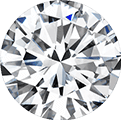
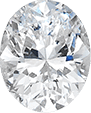
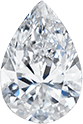
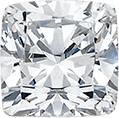
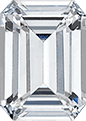
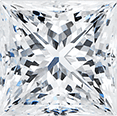
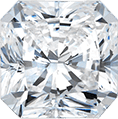
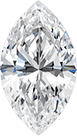
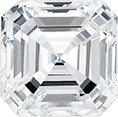
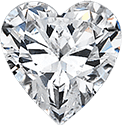
A solitaire is a style; an oval is a diamond shape. Change the shape and the same setting takes on a whole new character.

Style and Setting Aren’t Always the Same Thing
Many rings blend more than one feature, which is why a single ring can belong to more than one category.
Not Sure Which Style Feels Right?
Explore the full collection, or get in touch and we’ll happily help you narrow it down.
Love Elements From More Than One Style?
A bespoke ring lets you combine the details you love — a solitaire centre with a hidden halo, a pavé band with a bezel centre, or a mixed-shape Toi et Moi.
Frequently Asked Questions
What are the main engagement ring styles?
The most popular styles are solitaire, three stone, halo, hidden halo, pavé, bezel, side stone, Toi et Moi, vintage-inspired and minimalist. Each differs in where the detail sits and how the centre diamond is presented.
What is the difference between a ring style and a diamond shape?
A style describes the setting — how the diamond is held and decorated, such as a solitaire or halo. A shape describes the cut of the diamond itself, such as round or oval. The same style can look very different with a different shape.
What is the most timeless engagement ring style?
The solitaire is the most enduring choice because it keeps all the attention on a single diamond and suits any era. That said, “timeless” is personal — a classic three stone or halo can feel just as lasting.
What is the difference between a halo and a hidden halo?
A halo surrounds the visible outline of the centre stone with small diamonds, so it is seen from above. A hidden halo places those diamonds beneath the centre stone, so the detail is mostly seen from the side.
What is a pavé engagement ring?
Pavé describes small diamonds set closely along the band to create a continuous line of sparkle. It is often paired with a solitaire, halo or hidden halo centre.
What is a three stone engagement ring?
A three stone ring sets a centre diamond between two supporting stones. The design is balanced and is often associated with the idea of past, present and future.
What is a Toi et Moi ring?
A Toi et Moi ring features two principal stones within one design, frequently in two contrasting shapes. It is often associated with two people brought together.
Can I combine different engagement ring styles?
Yes. Many rings blend features — for example an oval solitaire with a pavé band, or a hidden halo with side stones. A bespoke design lets you combine the details you love.
Which engagement ring styles work with wedding bands?
Most styles pair well with a wedding band, though halos, three stone and raised settings may suit a shaped or contoured band so it sits flush. A solitaire is usually the easiest to match.
Can I customise an engagement ring style?
Yes. Through our bespoke service you can combine elements from different styles, choose your diamond shape and adjust proportions to create a ring that is entirely your own.