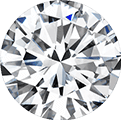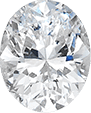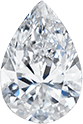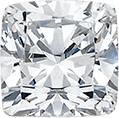
Can You Change the Cut of a Diamond?
Yes, a diamond can be recut, but it can only get smaller. When recutting is worth it, what it costs, and when buying is cheaper.
Yes — a diamond can be recut. It is real, skilled work that goes on every day in cutting workshops. But it comes with one rule that decides whether it is worth doing, and most people are not told it until they have already got their hopes up.
A diamond can only ever get smaller. Recutting removes material. You cannot add facets back, you cannot make a stone wider, and you cannot turn a one carat round into a one carat oval. You can turn it into a smaller oval.
Here is when recutting genuinely makes sense, when it does not, and what to expect if you go ahead.
What recutting actually involves
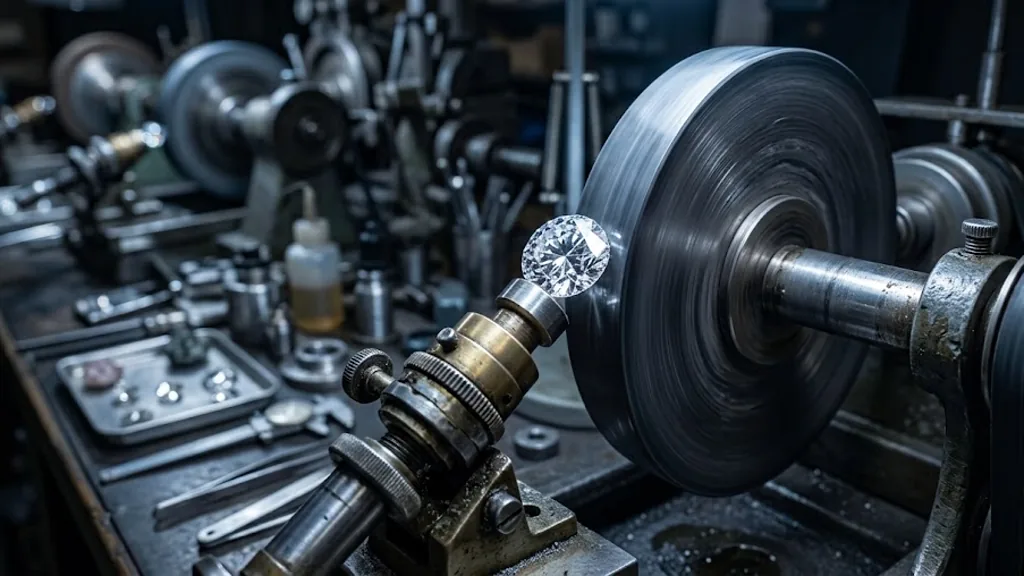
A diamond cutter takes the finished stone and grinds new facets onto it, using the same wheels and the same skills used to cut rough crystal. In practice the work runs like this:
- The stone is removed from its setting by a jeweller and the setting is checked for damage.
- A cutter examines the diamond and works out the largest, best-proportioned stone that can be produced from what is there.
- The diamond is recut and repolished.
- It is weighed again — the carat weight will have dropped.
- If it was certified, the old certificate is now void. A new report must be issued, because the weight, measurements and often the clarity grade have all changed.
- The stone is reset, sometimes into a smaller mount, because the head no longer fits.
None of those steps is optional, and each one costs money. That is why recutting is usually a bigger decision than it first appears.
How much weight does a diamond lose?
It depends entirely on the stone and on what you are asking for. A light polish to remove a small surface chip might take very little. A full reshape from one outline to another takes a great deal.
A rule of thumb in the trade, not a measured figure: a meaningful reshape usually costs a noticeable slice of the carat weight, and a change of outline — round to pear, cushion to emerald — costs considerably more than a tidy-up. Anyone who quotes you an exact percentage before seeing the stone is guessing.
Weight loss matters more than it sounds, because diamond prices step up sharply at the round numbers. A stone that drops from just over one carat to just under it can lose real value even though it now looks better.
When recutting is worth it
| Situation | Worth recutting? | Why |
|---|---|---|
| Chipped girdle or a damaged point on a pear or marquise | Usually yes | A chip can spread. Repairing it protects the stone and restores the look |
| An old inherited stone that looks dull and lifeless | Often yes | Older cuts were made for candlelight. Modern proportions transform light return |
| A stone with a large inclusion near the surface | Sometimes | A cutter may be able to polish it away and lift the clarity grade |
| Wanting a different shape purely for style | Rarely | You pay for the work and lose weight. Buying the shape you want is usually cheaper |
| Wanting a bigger-looking stone | No | Recutting cannot add material. It will always come back smaller |
| A small accent or melee stone | No | The labour costs far more than the stone is worth. Replace it instead |
The sentimental case — think twice
The most common reason people ask about this is an inherited ring: a grandmother’s old cushion or old European cut that looks soft and sleepy next to a modern diamond.
You can absolutely have it recut to modern proportions, and it will come back brighter. But you will have permanently erased the thing that made it hers. Those chunky facets, the small table and the open culet are the fingerprint of the era it was cut in, and once they are ground away they are gone.
Antique cuts also have a following of their own. Collectors pay for genuine old cuts precisely because they are old. Recutting one can reduce what it is worth as well as changing what it means.
There is a middle path that we suggest often: leave the stone exactly as it is and change everything around it. A fresh setting, a different metal, a cleaner shank — the diamond is untouched, the ring feels new, and nothing is lost.
What we do and do not do
To be plain about it: we do not offer a diamond recutting service. That is specialist work for a diamond cutter, not a jeweller, and we would rather tell you that than take on something outside what we do.
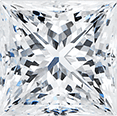
What we do offer is bespoke design at no extra design cost. If you have a shape in mind that is not in the collection — and there are shapes we simply do not stock, princess cut and old European cut among them — we can design it rather than pretend we have it on the shelf.
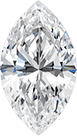
And if the honest answer is that buying the shape you want costs less than reshaping the one you have, that is often true. A Solitaire Marquise Cut Engagement Ring is £538 and a Solitaire Oval Cut Engagement Ring is £557, both correct at the time of writing, both complete rings rather than a loose stone plus labour plus a new certificate plus resetting.
What about lab-grown diamonds?
A lab-grown diamond recuts exactly like a mined one. It is the same material, the same hardness, and it behaves identically on the cutting wheel.
The practical difference is the sums. Because lab-grown diamonds cost less to buy, the fixed cost of cutting labour makes up a much larger share of the total. Recutting a modest lab-grown stone will often cost more than simply buying another one. That is not a criticism of the stone — it is just what happens when the labour is the expensive part.
Frequently asked questions
Can you turn a round diamond into an oval?
Physically yes, but only into a much smaller oval, and the result depends on how deep the original stone is. Most cutters will advise against it unless there is already damage that needs removing.
Will recutting improve the clarity grade?
Sometimes. If the inclusion sits at or near the surface, polishing it away can lift the grade. If it is deep in the centre of the stone, no amount of recutting reaches it without destroying the diamond.
Does the certificate still apply after a recut?
No. The weight and measurements on the old report no longer match the stone, so the certificate is void. You need a fresh grading report, which is an added cost to budget for.
Can a chipped diamond be saved?
Usually. Most chips sit on the girdle — the thin edge around the widest part — and can be polished out with modest weight loss. Have it looked at promptly, because a chip is a weak point that can grow if the ring takes another knock.
Is it cheaper to recut or to buy a new stone?
For anything under roughly a carat, buying is very often cheaper once you add cutting labour, a new certificate, resetting and the lost weight. For a large or sentimental stone, recutting starts to make sense.
In short
Recutting is a genuine option, but it is a repair and rescue tool rather than a redesign tool. If the stone is damaged, dull or inherited and unloved, it is well worth a conversation with a cutter. If you simply want a different shape, look at what that shape costs outright first — you may be surprised.
Our engagement ring collection is a good place to compare, and we are happy to talk through a bespoke piece if nothing there is quite it. Every centre stone carries a free IGI certificate, UK delivery is free and insured, and returns run for 30 days.
More guides on this topic
Ready to find your perfect ring?
Explore our lab-grown diamond collection or book a virtual appointment with our team.