Traditionally the proposer pays, though many couples now split the cost or buy together. No reliable UK figure exists, so let the 2 of you set the budget.
Everything you need to choose an engagement ring with confidence — from settings and diamond shapes to ring size, metal and budget. Practical, jargon-free guidance from the CarbonstoneUK team.
Traditionally the proposer pays, though many couples now split the cost or buy together. No reliable UK figure exists, so let the 2 of you set the budget.
One is the usual answer, because a second ring dilutes the first. Some couples do give 2, marking different stages, and no tradition forbids it.
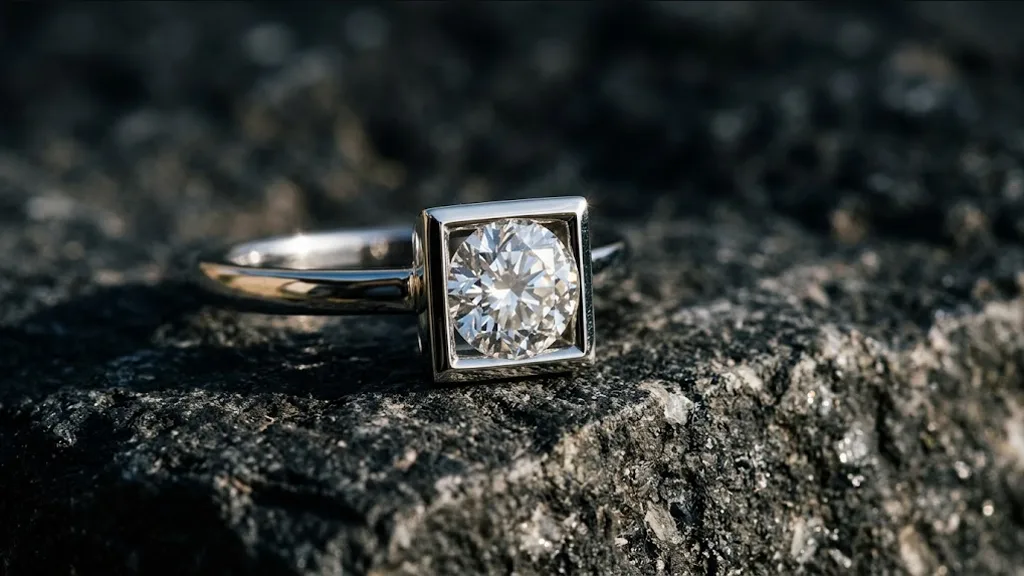
Yes. A square or cushion-shaped mount holds a round stone happily, and we do it often when resetting an inherited ring. Expect 4 corners to be built up.
Say what the ring means before you hand it over, in 2 or 3 plain sentences. Naming the promise matters more than the wording, and engraving can carry it.
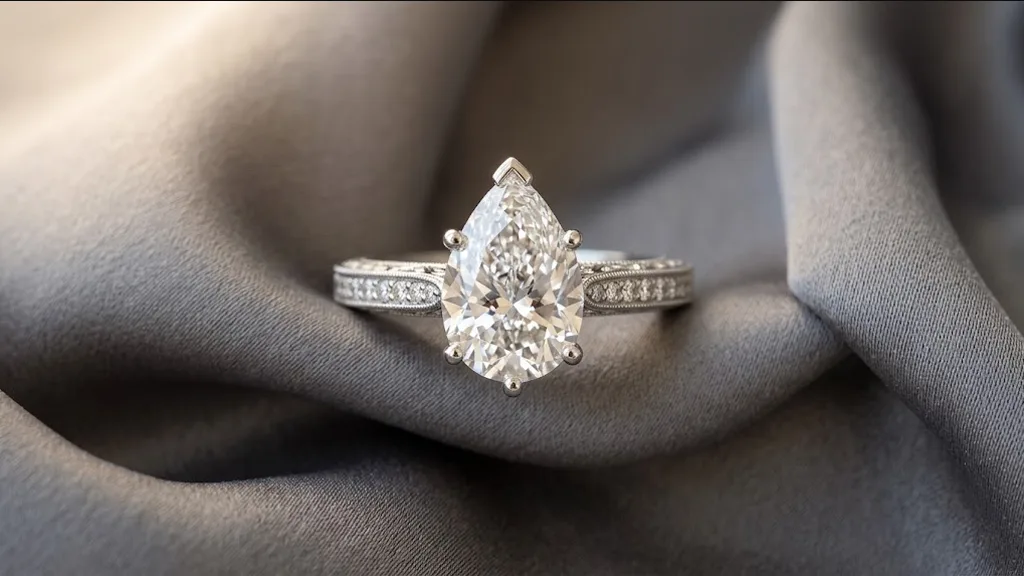
Five is the usual count: 4 around the body and 1 V-shaped claw over the point. The point is the thinnest part of the stone and chips first if left bare.
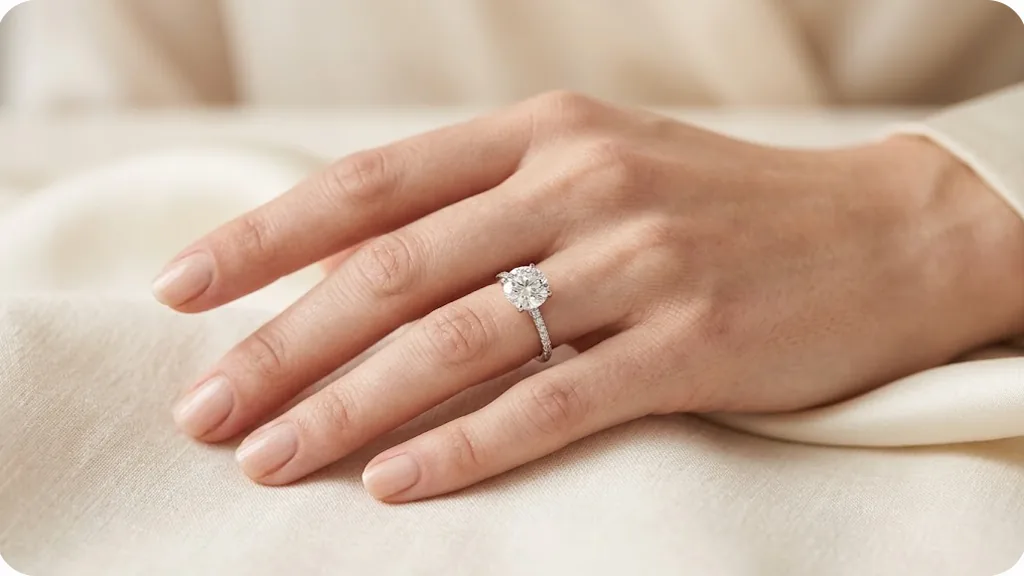
Asking directly works better than hinting. Say what you want the ring to mean, name a budget you both accept, and agree on 1 finger before anyone buys.
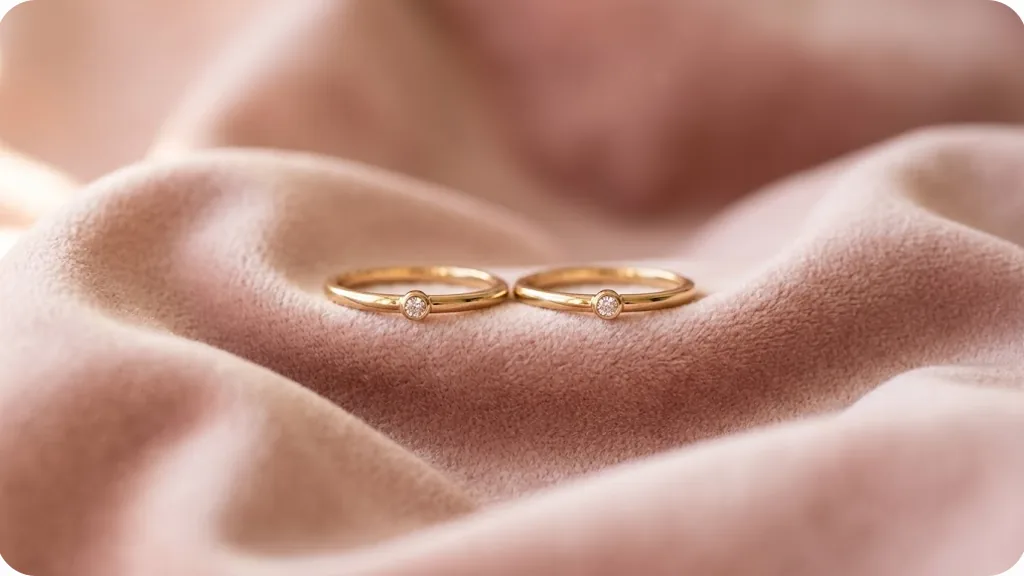
No. An engagement is a promise, not a purchase, and many couples go straight to 2 wedding bands instead. The ring is a custom, not something you must buy.
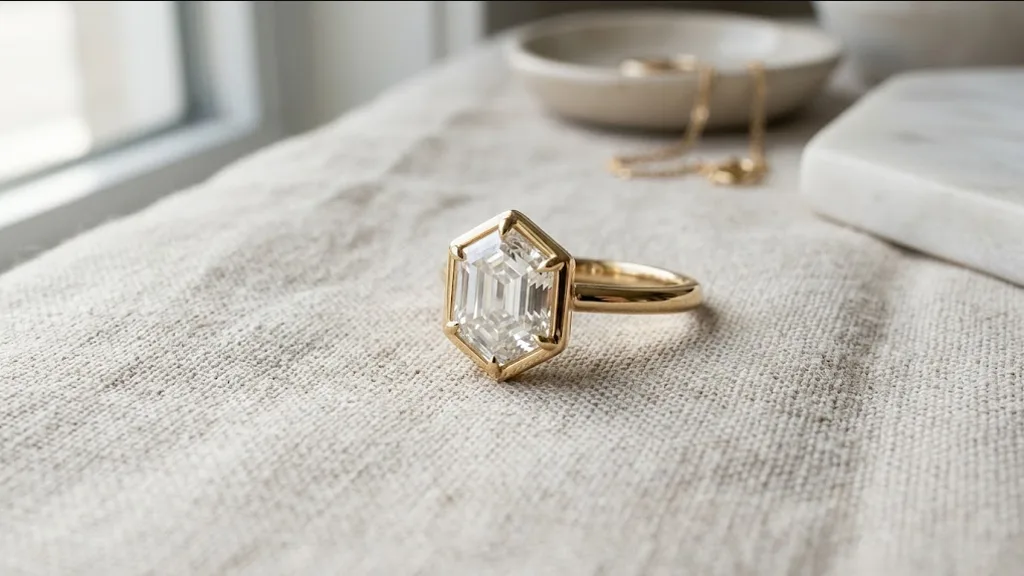
A hexagon cut has six straight sides and is usually a step or mixed cut. We make 4 hexagon rings, and each of the 6 corners is a point that needs covering.
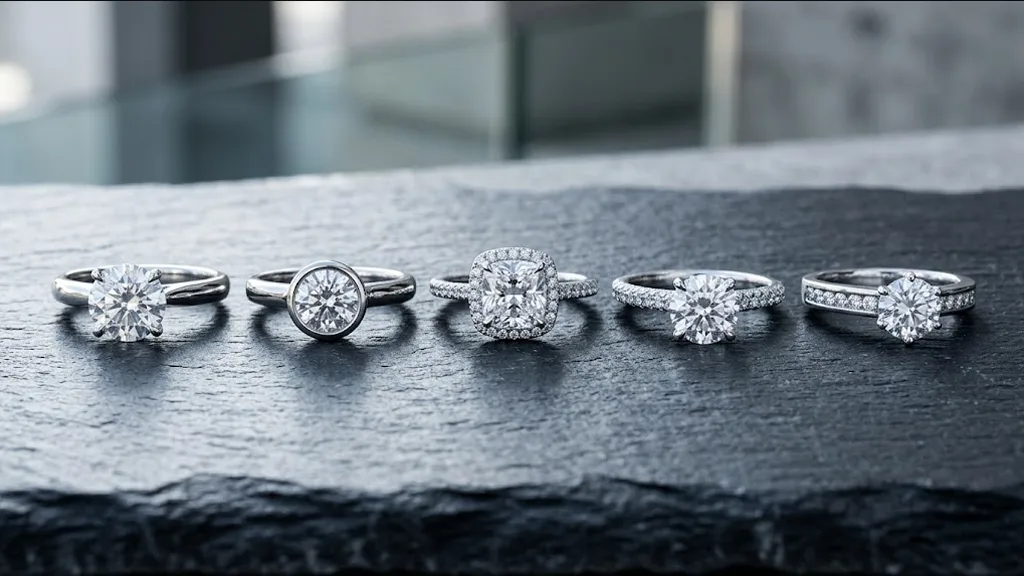
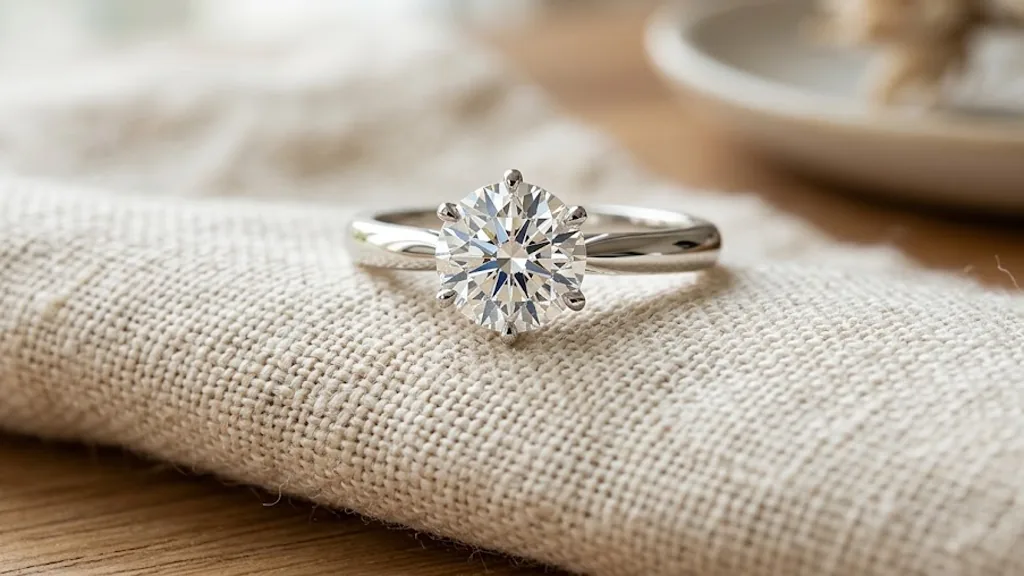
Five settings cover almost every ring we make: claw, rubover, halo, pave and channel. A claw setting holds the stone with 4 or 6 small metal fingers.
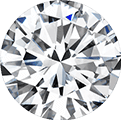
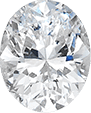
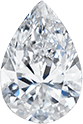
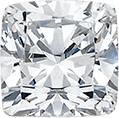
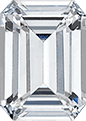
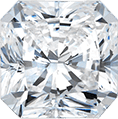
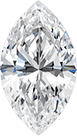
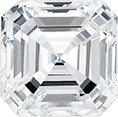
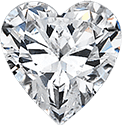
Shape is the outline, cut is the quality. Every diamond shape compared, what we stock, and how to match a shape to a hand.
You cannot copy content of this page
Join our list for early access to new collections, and unlock your welcome code — plus complimentary gift packaging.