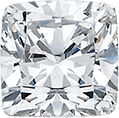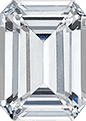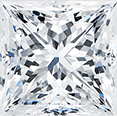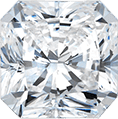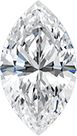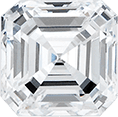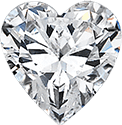
A chevron wedding band dips into a V to sit flush under a pear or marquise stone. Most are 1.4 to 1.6 mm wide and made to match the engagement ring.

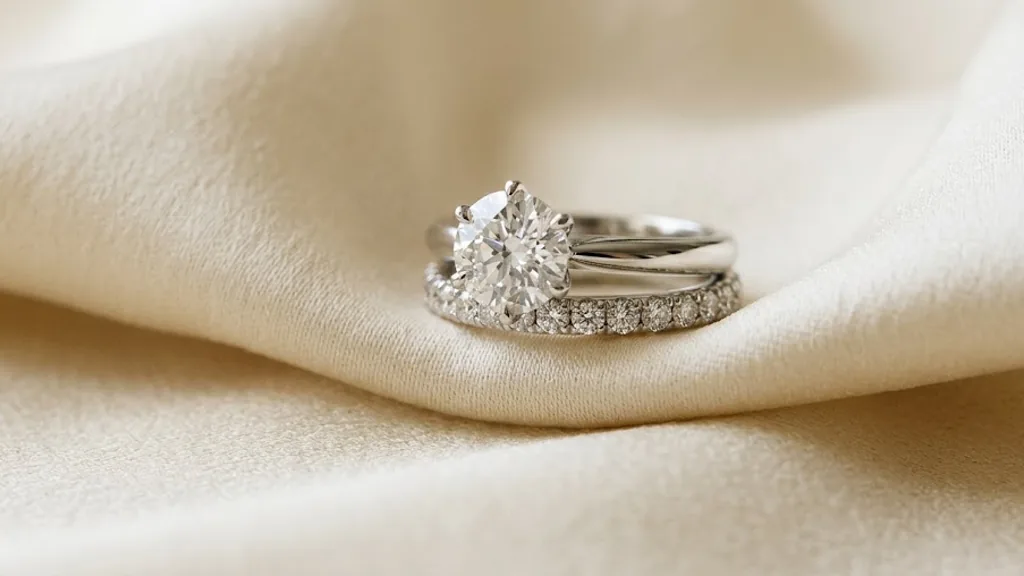
Advice for choosing wedding rings that last a lifetime — fit, band width, matching your engagement ring, metals and more.
A chevron wedding band dips into a V to sit flush under a pear or marquise stone. Most are 1.4 to 1.6 mm wide and made to match the engagement ring.
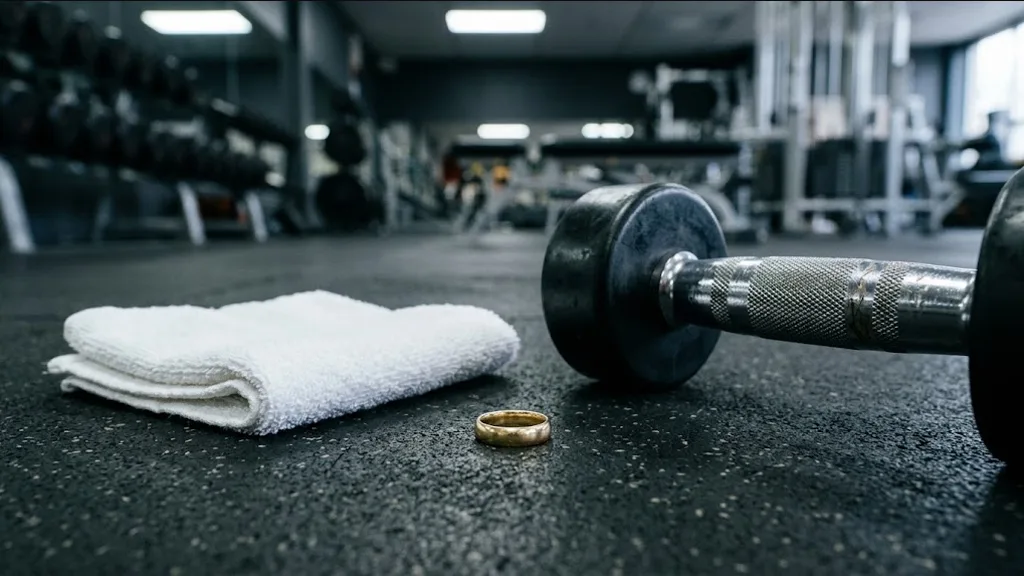
Better not to. Bars and dumbbells press gold out of round, and a 2mm band bends fastest. Degloving is rare but real, which is why we say leave it off.
Most fingers settle within 6 to 12 months, and swelling can last well past the birth. Wait until the size holds steady for 2 months before resizing.
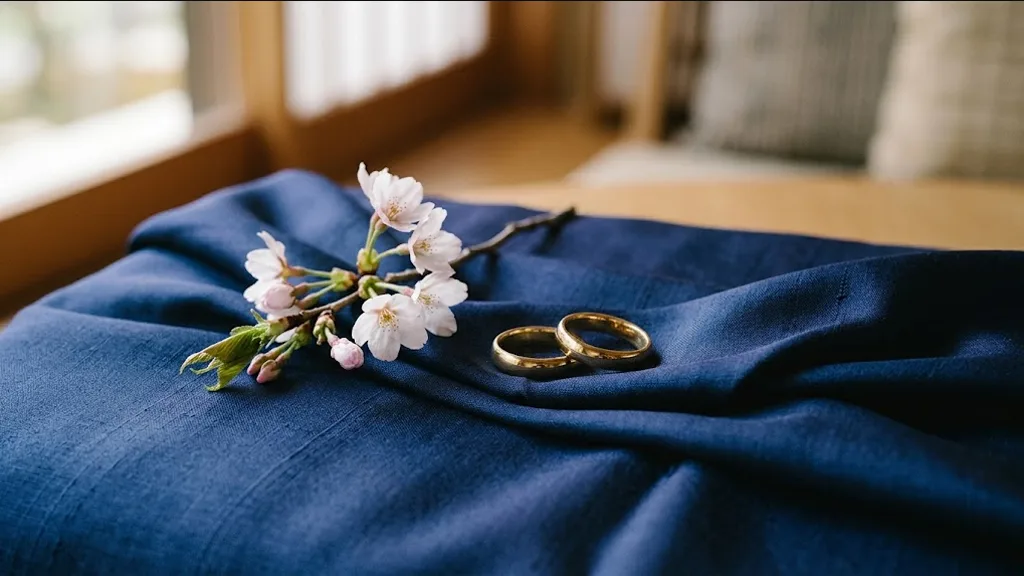
Yes, widely, and usually on the left hand. The custom arrived through Western influence rather than old tradition, and 1 ring is more common than 2.
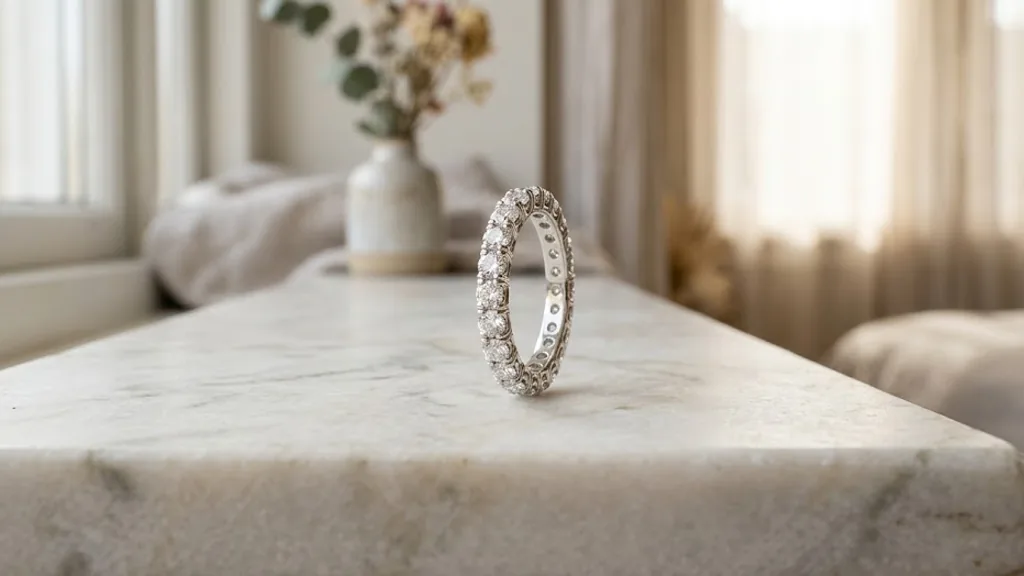
Mostly yes, though a full band puts stones against your palm and can catch. A 2.5mm court profile sits flatter and is the one we fit most often.
Should you choose wedding rings together or separately? Three approaches, whether the rings must match, and how to shop without falling out.
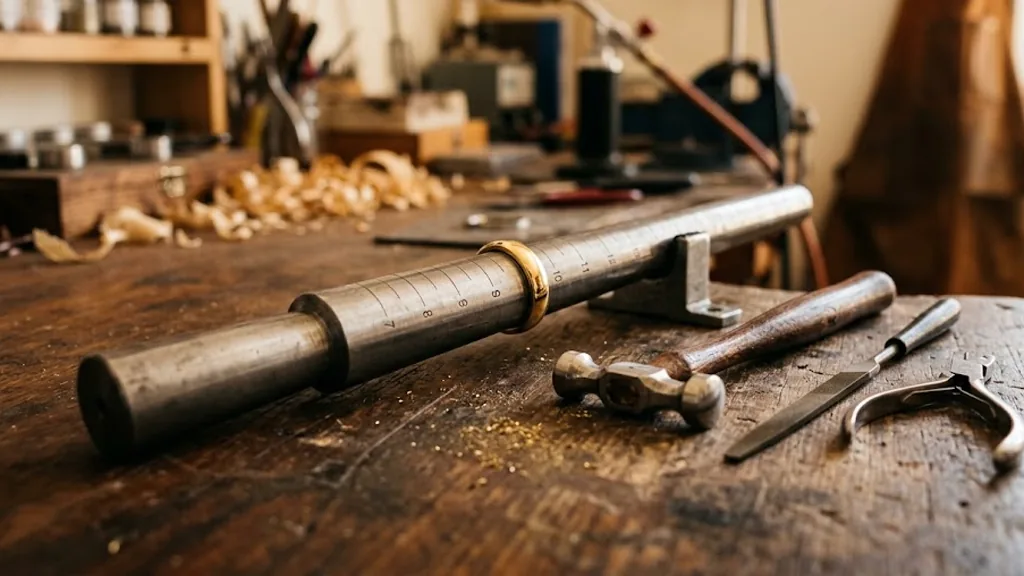
Yes, you can change your wedding ring. Resizing, reshanking, resetting stones, adding a band, and what to do with the original.
Work, safety, swelling, chemicals and plain forgetfulness: the real reasons a wedding ring gets left in a dish by the sink.
Wedding rings do not need diamonds. Plain bands, shaped bands, coloured stones and alternative metals compared honestly for daily wear.
Who holds the wedding rings: ring bearer, best man, maid of honour or officiant, plus the decoy-ring rule that saves weddings.
You cannot copy content of this page