An eternity ring usually comes after the wedding ring. It is often given on the 1st, 10th or 25th anniversary, or when a first child is born.
Advice for choosing wedding rings that last a lifetime — fit, band width, matching your engagement ring, metals and more.
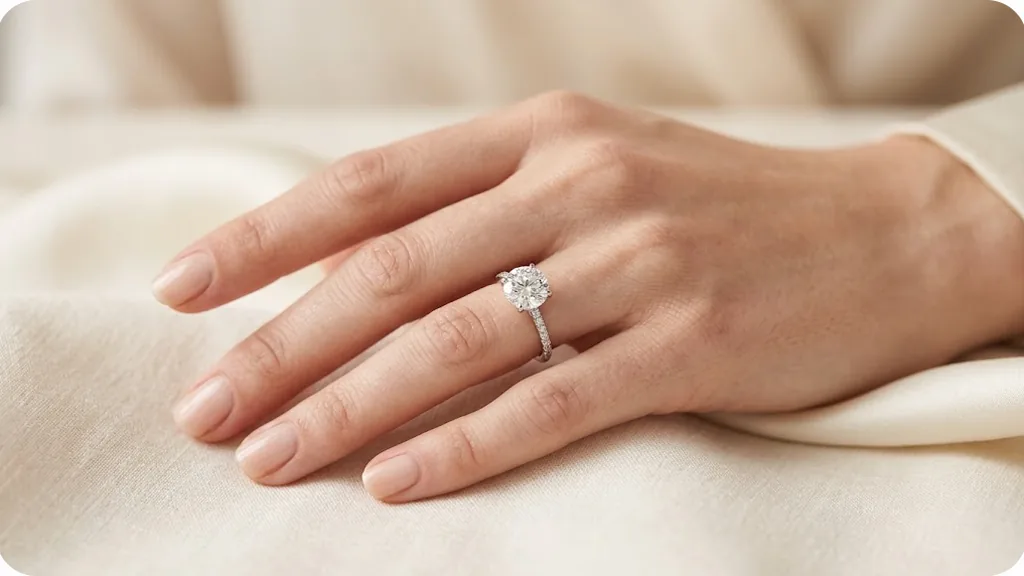
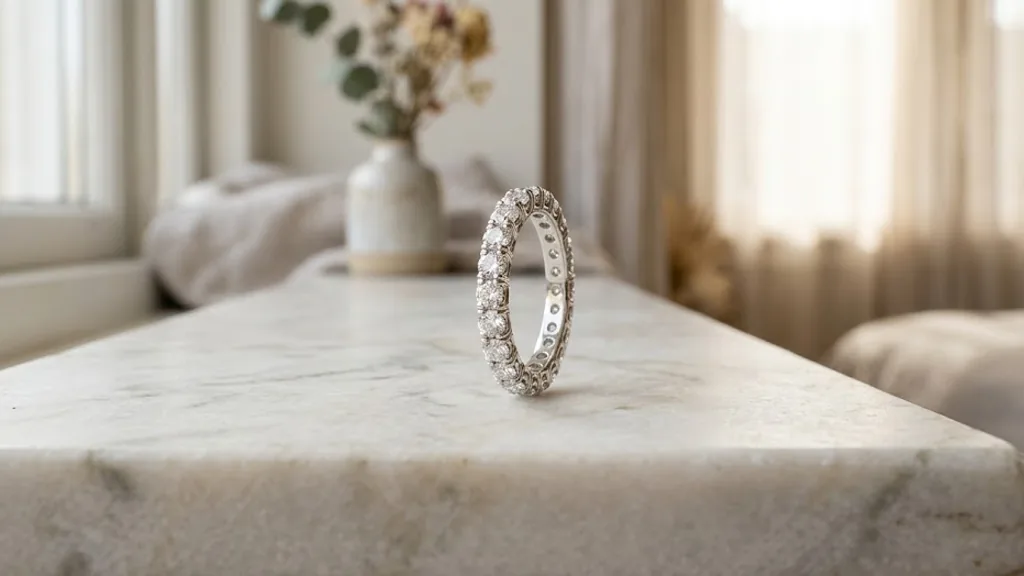
An eternity ring usually comes after the wedding ring. It is often given on the 1st, 10th or 25th anniversary, or when a first child is born.
Thread a 3 to 6 mm ribbon through both rings and finish with one loose bow. A single bow pulls open in a second, so the rings come off at the altar easily.
Most people replace a wedding ring at a milestone or when it wears thin. Popular moments are the 10th and 25th anniversaries or a vow renewal.
Most couples say 1 or 2 short sentences. The classic line is “I give you this ring as a sign of our marriage”, said as the ring goes onto the finger.
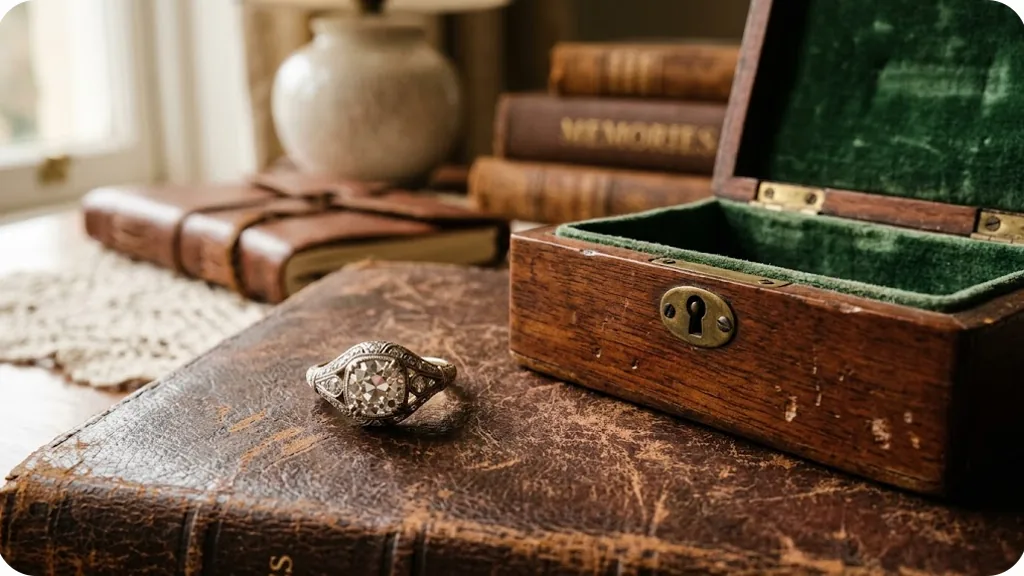
An old wedding ring can be worn, remade, passed down or sold. An 18ct band is 75% pure gold, so it keeps real value whatever you decide to do with it.
The cheapest wedding ring is a plain silicone, steel or titanium band. Sterling silver (92.5%) and 9ct gold are the cheapest UK hallmarked metals.
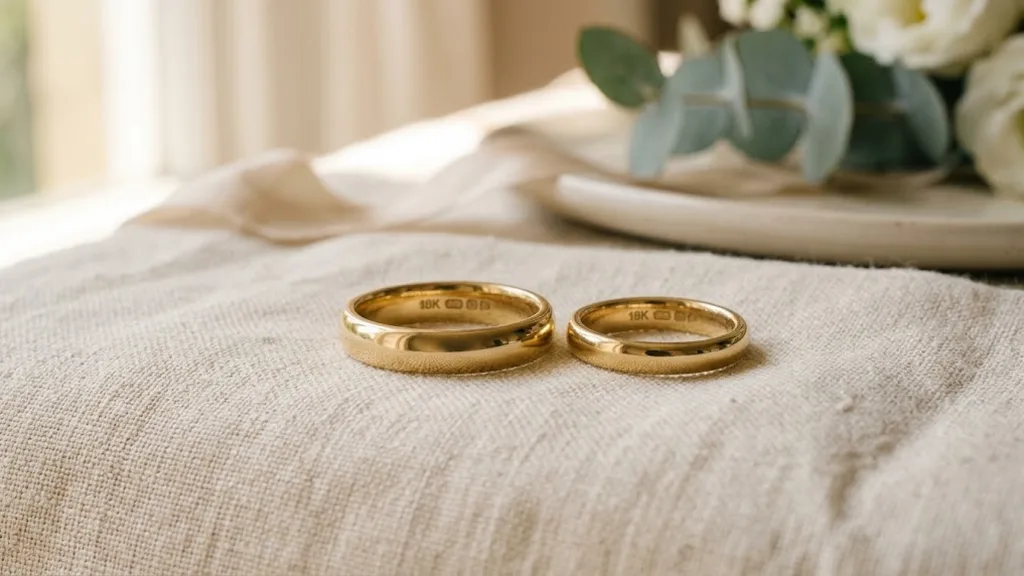
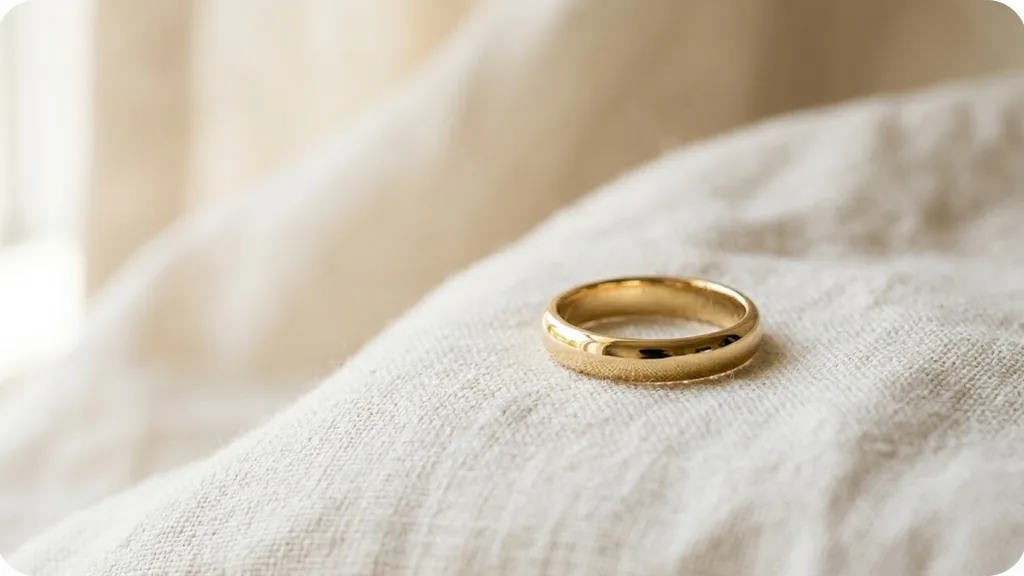
A traditional wedding ring is a plain yellow gold band. In Britain it is usually 2 to 6 mm wide, in 9ct, 18ct or 22ct gold, worn on the left hand.
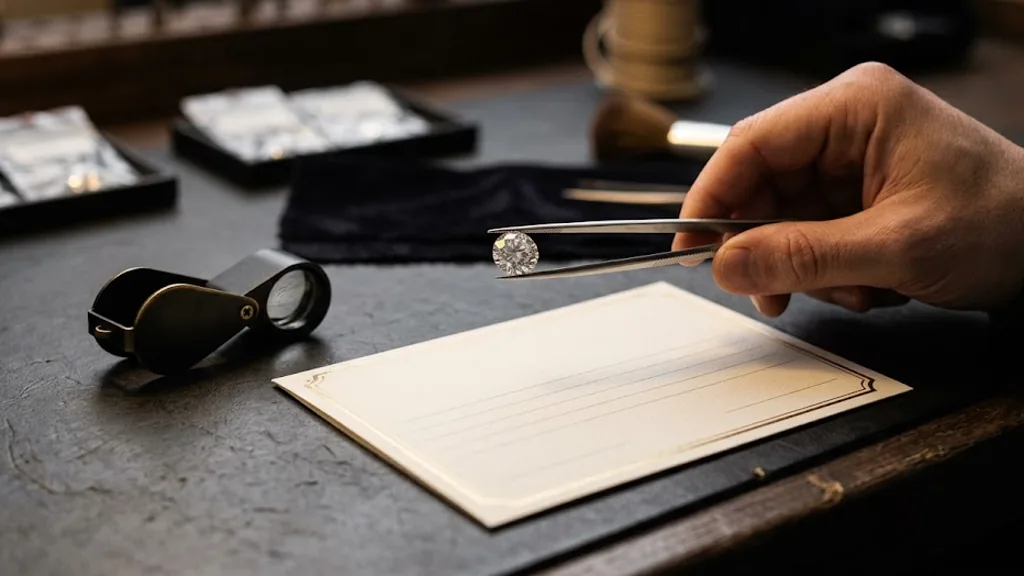
A wedding ring is valued by a registered valuer, gemmologist or the jeweller who sold it. Valuations are typically updated every 2 to 3 years.
An eternity ring is a fitting push present for a new mother. A half eternity band, with stones across about 50% of the ring, is the practical pick.
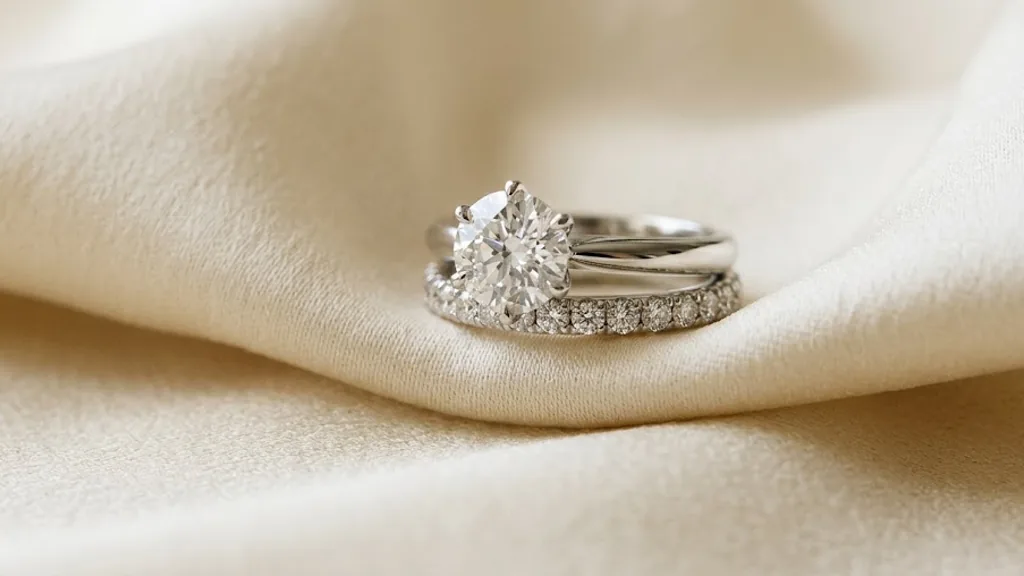
A tiara wedding band has a raised, crown-shaped edge that curves round the stone. Ours is 2.10 mm wide and set with 0.26 ct of lab-grown diamonds.
You cannot copy content of this page