Are Round Cut Diamonds More Expensive? The Price of Brilliance Explained
Round diamonds cost the most per carat. Here is exactly why, what you get for the premium, and how to buy round without overpaying.
Yes. Round cut diamonds are the most expensive shape per carat, and they have been for decades. If you compare a round brilliant with any other shape of the same weight, colour and clarity, the round will almost always cost more.
That is not a marketing story. There are two concrete reasons for it, and understanding them helps you decide whether the extra cost is worth paying in your case.
Reason one: cutting a round wastes more of the rough
Diamonds come out of the ground, or out of the growing chamber, as rough crystals with irregular shapes. The cutter’s job is to find the largest, cleanest finished stone inside that rough.
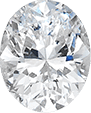
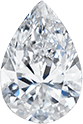
A round brilliant is a demanding target. It needs perfect symmetry in every direction, and achieving it means grinding away a great deal of material. Elongated shapes such as oval, pear and marquise follow the natural shape of many rough crystals more closely, so more of the original stone survives.
More waste means a higher cost per finished carat. That cost is passed on.
Reason two: demand
Round is comfortably the most requested engagement ring shape in the UK, and has been for a long time. When demand for one shape outstrips all others, its price holds firm while less popular shapes are priced more competitively. This is ordinary market behaviour rather than anything specific to diamonds.
What you get for the extra money
It would be unfair to present the round premium as purely a supply problem. The round brilliant genuinely does something no other shape does as well.
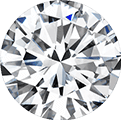
It has 57 or 58 facets arranged to send the maximum amount of light back to your eye. The proportions have been mathematically refined over more than a century for exactly that purpose. The result is more fire (flashes of rainbow colour) and more brilliance (white light return) than any other cut.
There is also a practical advantage. Round brilliants are the only shape given a full standardised cut grade on certificates, from Excellent down to Poor. That takes a lot of guesswork out of buying. With other shapes you have to judge cut quality by eye or trust the seller.
And rounds are forgiving. Their busy sparkle hides small inclusions, which means you can often choose a slightly lower clarity grade and see no difference, saving money elsewhere.
How much more expensive, roughly
As guidance rather than a quotation, and correct at the time of writing: for the same weight and quality, other shapes commonly sit somewhere below round on price per carat, with the elongated shapes and step cuts generally offering the biggest saving. The exact gap moves with the market and with the specific stone.
The far bigger price lever, however, is lab-grown versus natural. A lab-grown round costs a fraction of a natural round of comparable colour and clarity. Choosing lab-grown saves far more than switching shape ever will, and a lab-grown diamond is chemically and physically the same material as a mined one, with the same hardness and the same sparkle.
Real prices on our round rings
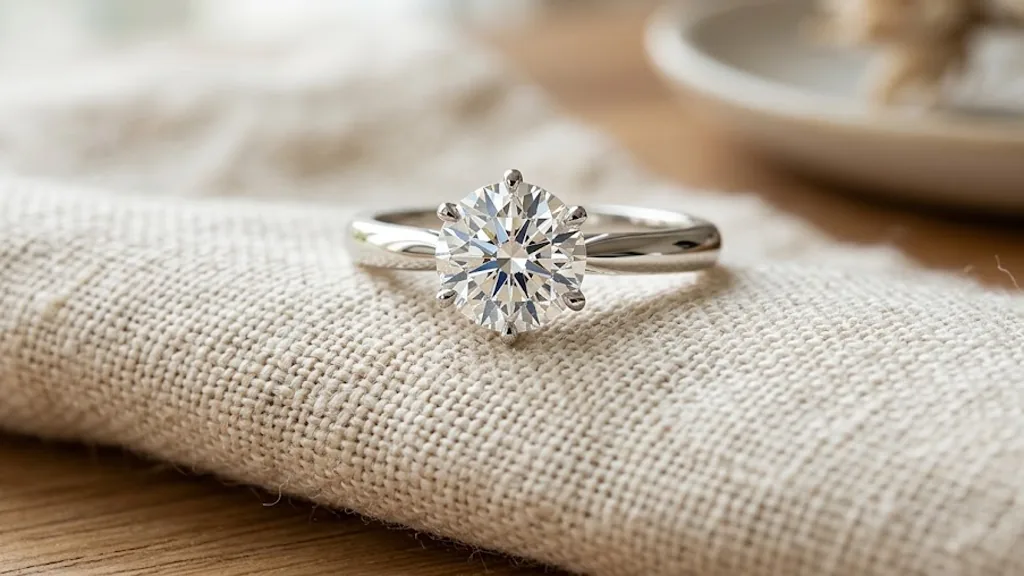
Here is what round actually costs in a finished, hand-made ring from us. All lab-grown, all with a free IGI certificate on the centre stone, prices correct at the time of writing.
| Ring | Metal and style | Price |
|---|---|---|
| Minimalist Round Cut Engagement Ring | Slim band, single stone | £587 |
| Solitaire Round Cut Engagement Ring in White Gold | White gold classic | £563 |
| Halo Round Cut Engagement Ring | Centre stone with diamond halo | £707 |
| Vintage Round Cut Engagement Ring in Yellow Gold | Detailed vintage-style setting | £1,051 |
Compare those with our simplest pieces in other shapes and you will see the round premium is real but modest once a ring is finished, because the metal and the labour form a large part of the total.
See the whole round cut collection, our largest with twenty designs, or all engagement rings.
Ways to buy round without overpaying
Buy just below a milestone weight
Prices step up at 0.50ct, 1.00ct, 1.50ct and 2.00ct. A 0.90ct round measures about 6.3mm; a 1.00ct measures about 6.5mm. Nobody will ever see that difference, but the price gap is real.
Drop a clarity grade, not a cut grade
Cut is what makes a round sparkle. Clarity, on a busy brilliant cut, is often invisible below the top grades. Spend on cut.
Use a halo
A halo of small diamonds around the centre stone adds visual width for far less than buying a bigger centre stone. A halo on a modest centre can look like a much larger solitaire.
Consider the metal honestly
Platinum costs more than gold and 18ct costs more than 9ct. None of these choices changes the diamond. Pick the one you want to wear, not the one you think you should have.
Round compared with other shapes
| Shape | Relative cost per carat | Standardised cut grade? | Hides inclusions well? |
|---|---|---|---|
| Round | Highest | Yes | Yes |
| Oval | Lower | No | Fairly well |
| Pear | Lower | No | Fairly well |
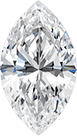
| Marquise | Lower | No | Fairly well |
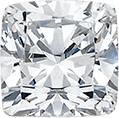
| Cushion | Lower | No | Yes |
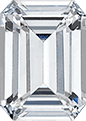
| Emerald | Lower | No | No, shows them clearly |
Does the round premium mean better resale?
This comes up often, and it deserves an honest answer rather than a comfortable one.
Round brilliants are the easiest shape to sell on, simply because they are the shape most buyers want. If you ever needed to part with a ring, a round would find a buyer faster than a marquise.
That said, resale values on all diamonds, natural and lab-grown alike, are far below what you paid at retail. The gap between retail price and second-hand price is large for every shape. Buying a round in the hope of protecting your money is not a sound plan.
Buy the ring you actually want to look at every day for the next thirty years. That is the only return an engagement ring reliably delivers, and it is a good one.
Frequently asked questions
Are round cut diamonds more expensive than other shapes?
Yes, per carat. Cutting a round wastes more of the rough crystal and demand for round is the highest of any shape, so it commands a premium. Once set into a finished ring, the gap narrows because metal and craftsmanship make up a large share of the price.
Is the round premium worth paying?
If maximum sparkle matters most to you, yes. If size on the finger matters most, an elongated shape such as oval, pear or marquise gives you more visible stone for the same money.
Does a lab-grown round cost less than a natural round?
Considerably less, for a stone of comparable colour and clarity. It is the same material, grown rather than mined, with the same hardness and optical properties. Every centre stone we sell comes with a free IGI certificate stating exactly what it is.
Which cut grade should I insist on for a round?
Excellent, or Very Good at a minimum. Round is the one shape where the certificate does the judging for you, so use it. A poorly cut round loses the very thing you paid extra for.
Can I have a round ring made to my own design?
Yes. Bespoke commissions carry no extra design cost with us. You pay for the stone and the metal, and we make it by hand in solid gold or platinum.
The bottom line
Round costs more because it wastes more rough and everyone wants it. In return you get the most sparkle available and the reassurance of a proper cut grade. If that trade appeals, buy round with confidence; if it does not, the money is better spent on a larger stone in another shape.
Free insured UK delivery and 30-day returns on everything, hand-made at our North Harrow workshop in London.
More guides on this topic
Ready to find your perfect ring?
Explore our lab-grown diamond collection or book a virtual appointment with our team.