What Is a Side Stone Engagement Ring? Styles and Proportions
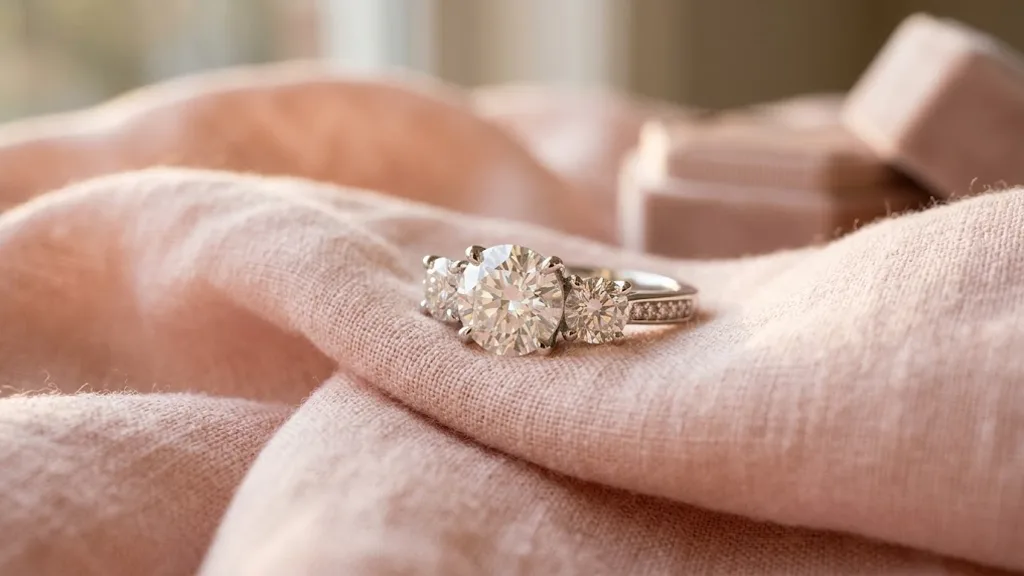
A side stone engagement ring sets smaller diamonds beside one centre stone. Each side stone is usually a fraction of the centre, such as 0.25 ct beside 1 ct.
A side stone engagement ring is a ring with one main centre diamond and smaller diamonds set beside it, either as single stones on each side or along the shoulders of the band. The side stones add width and sparkle across the finger. In most designs each side stone is a fraction of the centre’s weight, for example 0.25 carat beside a 1 carat centre.
Which side stone styles can you choose from?
Side stone styles fall into four main families: three stone, with 2 side stones; five stone, with 4; shoulder stones, where straight baguettes or tapered trapezoids sit along each side of the band; and pavé shoulders, where rows of tiny diamonds run down the band. Kite-shaped side stones are a less common fifth option. Each style changes how wide the ring looks on the hand.
For the meaning of the classic version, see what a three stone engagement ring means. The table sets out which centre shapes each style usually suits. For the symbolism, see what a five stone ring means.
| Style | Side stones | Usual centre shapes |
|---|---|---|
| Three stone (trilogy) | One each side | Round, oval, cushion, emerald |
| Five stone | Two each side | Round, pear, radiant |
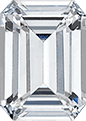
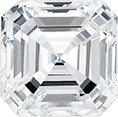
| Baguette or trapezoid shoulders | Straight step-cut stones | Emerald, Asscher, radiant |
| Pavé shoulders | Many tiny stones along the band | Any shape |
How big should the side stones be next to the centre stone?
Side stones should be clearly smaller than the centre stone, and a rule of thumb in the trade, not a measured figure, is that each side stone weighs roughly a quarter to a half of the centre. So a 1 ct centre usually takes side stones of 0.25 to 0.50 ct each. Larger side stones make the ring read as a row of equals, which suits an anniversary band better than an engagement ring.
Which centre stone shapes look best with side stones?
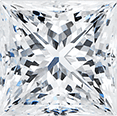
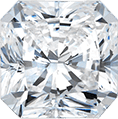
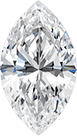
Centre stone shapes look best with side stones that echo their outline: rounds with rounds, an emerald cut with baguette or trapezoid shoulders, and a pear or marquise with small rounds or kite shapes. Our five stone radiant ring pairs a 1 to 3 ct radiant centre with oval side stones of 4.0 x 3.0 mm and round stones of 3.0 mm.
That ring is the 5 Stone Radiant Cut Engagement Ring. Our Three Stone Emerald Cut Engagement Ring shows the step-cut pairing.
Are side stone engagement rings harder to look after?
Side stone engagement rings need slightly more care than a solitaire, because every extra stone adds claws to check and gaps where soap and hand cream collect. Have the claws checked every 6 to 12 months and clean it weekly with warm soapy water and a soft brush. Rings with stones down the shoulders are also harder to resize, because the metal near those stones cannot be stretched freely.
For how each setting holds its stones, see our guide to the different engagement ring settings, and for shoulder rows, read what a pavé ring is.
How much does a side stone engagement ring cost?
A side stone engagement ring is priced mainly by its centre stone. At the time of writing our five stone pear ring, with a 0.20 to 0.50 ct pear centre, is £528, and our three stone emerald ring, with a 1 to 2 ct emerald and trapezoid side stones, is £1,017. These are lab-grown prices; natural diamonds of the same sizes would cost far more, and we sell only lab-grown.
The 5 Stone Pear Cut Engagement Ring and others are in our lab-grown engagement ring collection. CarbonstoneUK, in North Harrow, London, includes a free IGI certificate on every centre stone and makes bespoke designs at no extra design cost.
Frequently asked questions
Do side stones make the centre diamond look bigger?
Yes, usually. Side stones spread the sparkle across the top of the ring, so a 1 ct centre with two 0.25 ct side stones covers more of the finger than a 1 ct solitaire. The centre itself does not grow, but it looks bolder by contrast.
Is a side stone ring more expensive than a solitaire?
Yes, slightly, if the centre stone is the same. The side diamonds and the extra metalwork add to the price, but small lab-grown side stones of 0.10 to 0.25 ct cost far less than the centre. A slightly smaller centre with side stones gives more sparkle for the same budget.
What is the difference between side stones and a halo?
Side stones sit beside the centre diamond, on either side or along the shoulders, while a halo is a ring of small diamonds that circles the centre stone completely. A halo makes the centre look larger from every angle; side stones make the ring look wider across the finger. Some rings combine both.
Which wedding band goes with a side stone engagement ring?
A straight wedding band usually goes with a side stone engagement ring, because side stones sit in a line across the top rather than jutting out at one point. Match the band width to the ring; our five stone pear ring has a 1.70 mm band, so a slim band of similar width sits neatly beside it.
Can a side stone engagement ring be resized?
Yes, in most cases. A side stone ring with a plain back can typically be resized by about one or two sizes, because the jeweller works on the plain metal under the finger. Rings with pavé further round the band are harder, so get the size right first.
Are the side stones real diamonds on a lab-grown ring?
Yes. On our rings the side stones are real lab-grown diamonds, not cubic zirconia or moissanite. Our listings give the side diamonds as E colour and VVS2 clarity, the same grades as the centre stones. Small side stones do not come with their own certificate; the free IGI certificate covers the centre stone.
More guides on this topic
Any shape pairing above can be made to your own design in solid gold or platinum.
Ready to find your perfect ring?
Explore our lab-grown diamond collection or book a virtual appointment with our team.