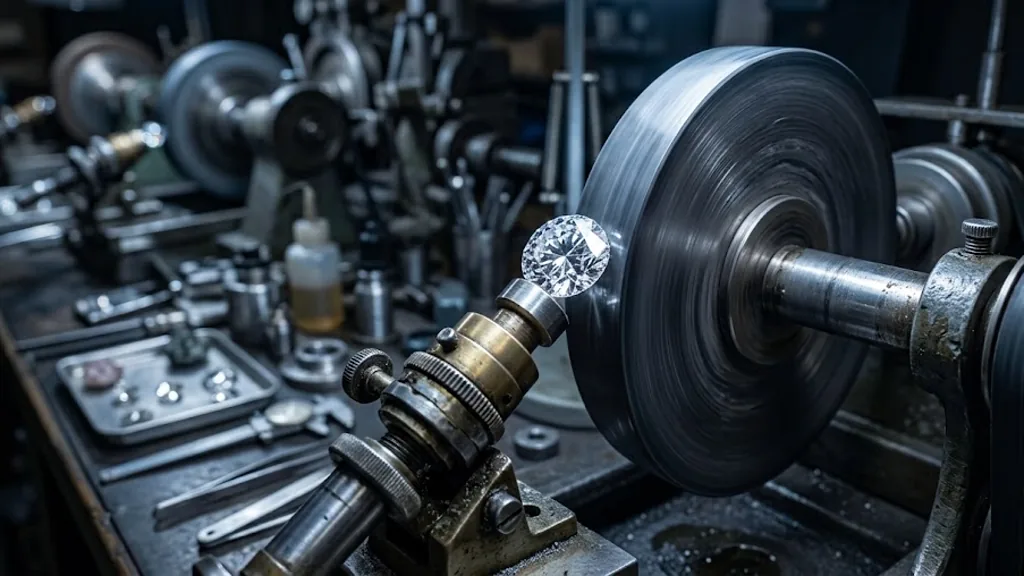
Yes, a diamond can be recut, but it can only get smaller. When recutting is worth it, what it costs, and when buying is cheaper.

Everything you need to choose an engagement ring with confidence — from settings and diamond shapes to ring size, metal and budget. Practical, jargon-free guidance from the CarbonstoneUK team.
Yes, a diamond can be recut, but it can only get smaller. When recutting is worth it, what it costs, and when buying is cheaper.
Asscher and princess cuts look smallest for their carat weight. A millimetre-by-millimetre comparison of every shape at one carat.
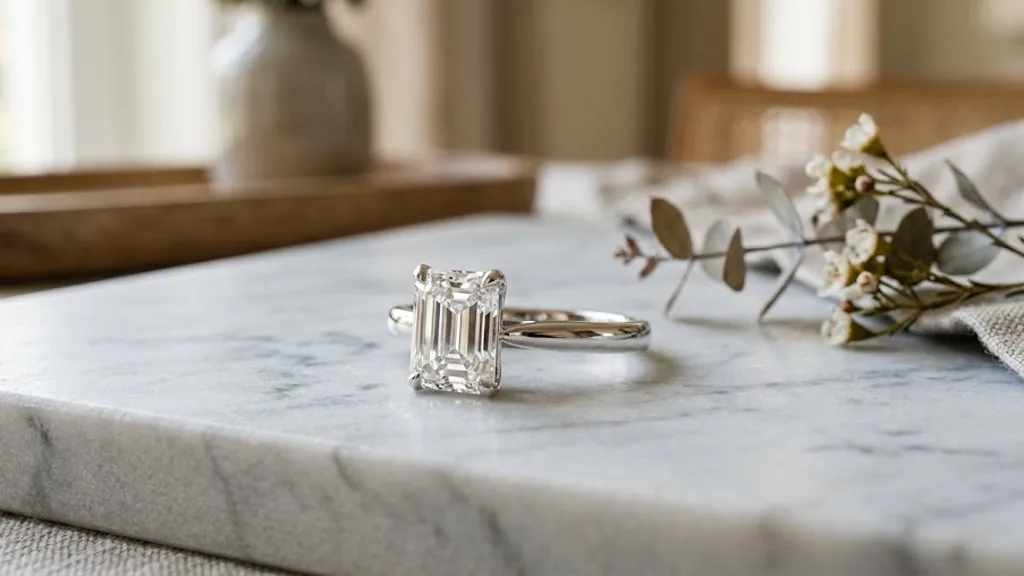
Emerald cut engagement rings are genuinely in demand. Why they appeal, who they do not suit, and how they compare to other shapes.
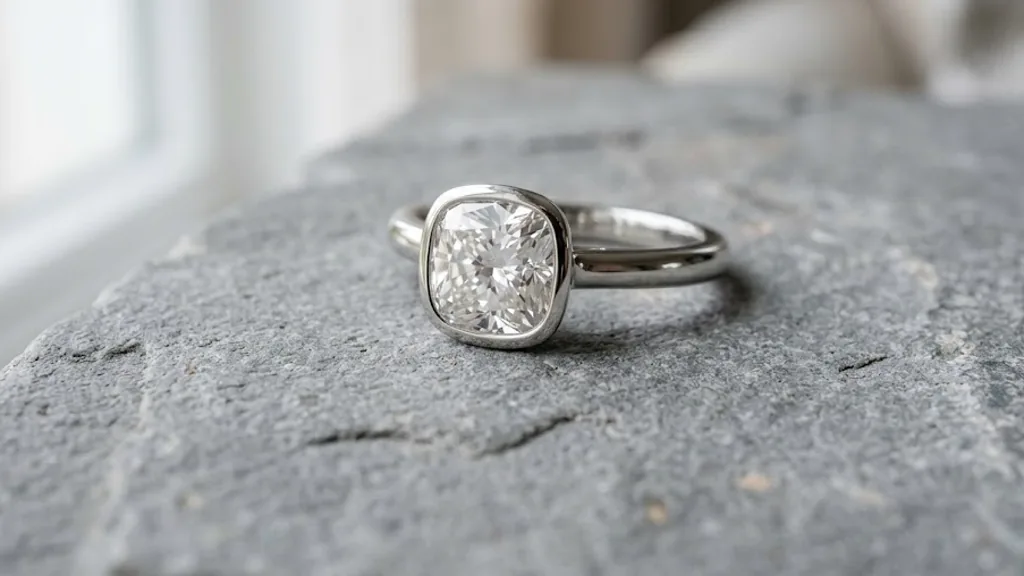
Cushion cuts have been in demand for over two centuries. Why the shape endures, who it suits, and when to choose something else.
A 6.5 mm round diamond is about 1.00 carat and a 2 mm round about 0.03 carat. Full mm to carat chart plus the formula behind it.
Elongated cushions do look larger on the finger. Here is why, what ratio to look for, the trade-offs, and how to buy one in the UK.
An emerald cut is a rectangle with cut corners and step facets. What the shape is, why it sparkles differently, and the clarity trap.
Trillion cuts cost less per carat and look larger for their weight, but need higher clarity and a setting that protects three points.
Engagement rings do not need diamonds. The realistic alternatives, a hardness table for daily wear, and what actually lasts.
From the 1477 ring that started it to the 1947 advertising campaign that made it universal – a clear history with the myths flagged.
You cannot copy content of this page
Join our list for early access to new collections, and unlock your welcome code — plus complimentary gift packaging.