What Is a Pie Cut Diamond? The Honest Answer
A pie cut diamond is not one stone but several wedge-cut diamonds set together. What it really is, what to check, and honest alternatives.
A pie cut diamond is not one diamond. It is several small diamonds, cut as wedges or segments and set tightly together so the group reads from a distance as one larger stone. The name comes from the way the pieces sit like slices of a pie. “Pie cut” is not a recognised diamond shape and will never appear on an IGI or GIA report.
What is a pie cut diamond, exactly?
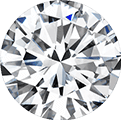
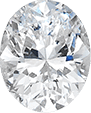
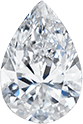
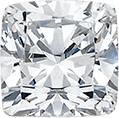
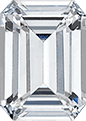
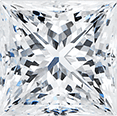
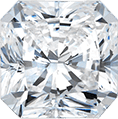
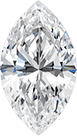
A pie cut diamond is a cluster design, not a shape. A jeweller takes several small diamonds cut into wedge or segment shapes, then sets them side by side within a single collet or bezel so that the joins run inward like the cut lines on a pie. Seen at arm’s length the group gives the outline and spread of a much larger single stone. Pie cut designs are made in most familiar outlines — round, oval, pear, marquise, emerald, heart — because the outline is decided by the setting, not by any one crystal.
Why is it called a pie cut, and what else is it called?
It is called a pie cut because of the wedge-shaped segments radiating from the centre, exactly like a sliced pie viewed from above. The same construction is sold under several other names, including pie-cut cluster, segment set, illusion set and, confusingly, “invisible set”, which properly describes a different technique for hiding the metal that holds stones in place. None of these are grading terms. If a listing calls something a pie cut, treat it as a description of the setting, not of the diamond.
Is a pie cut diamond a real diamond?
The individual segments in a pie cut are usually real diamonds, so the answer is generally yes — but the piece is not one real diamond of that size, and that distinction is the whole point. A ring described as a “two carat look” pie cut may contain considerably less than two carats of diamond in total, because the segments are shallow and the setting supplies the outline. The claim being made is about appearance, not weight. Always ask for the total carat weight in writing.
Why do pie cut rings cost so much less?
Pie cut rings cost less because small diamonds cost far less per carat than large ones. Diamond prices rise steeply with size: one two carat stone costs much more than four half carat stones of the same quality, because large crystals of good colour and clarity are harder to produce and to cut. A pie cut design exploits that gap, buying spread cheaply. The saving is real. What you give up is the single crystal, and everything that goes with owning one.
What to check before you buy a pie cut ring
Look closely at the joins, because that is where every practical difference lives. Specifically:
- The seams. Under a 10x loupe, and in raking light across the top of the ring, you will see the lines between segments. Some designs hide them well; some do not.
- Dirt. Hand cream, soap and skin oils collect in the seams and dull the whole piece faster than they dull a single stone. It needs cleaning more often.
- Repairs. If a segment chips or works loose, it must be replaced with a wedge cut to match. That is bespoke work, and slower and dearer than replacing a standard round melee stone.
- Paperwork. The segments are usually too small to certify individually, so there is often no centre-stone report at all. That matters when you insure the ring.
Pie cut compared with the honest alternatives
The table below compares a pie cut cluster with the three designs people usually consider alongside it when they want maximum visual size for the money.
| Design | What is in the centre | Certificate | Best for |
|---|---|---|---|
| Pie cut cluster | Several wedge-cut segments | Usually none for the centre | Maximum spread at the lowest price |
| Halo | One certified centre stone, ringed by small stones | Yes, on the centre stone | Real stone plus added visual size |
| Cluster | Several whole small stones, not segments | Usually none for the centre | Vintage character, easier repairs than a pie cut |
| Elongated solitaire (oval, marquise, pear) | One certified centre stone | Yes, on the centre stone | More finger coverage per carat from a single stone |
Do we sell pie cut diamond rings?
CarbonstoneUK does not stock pie cut diamond rings. Every ring we sell has either a single certified centre stone or whole small diamonds set individually, because that is what we can stand behind for repair, resizing and insurance. If a segment-set design is genuinely what you want, we will talk it through as a bespoke commission — bespoke design carries no extra design cost with us — but we will also tell you honestly where the design will give you trouble in ten years’ time.
What to buy instead if you want the biggest look
If the appeal of a pie cut is size for the money, there are three routes that keep a certified stone in the middle. A halo puts small diamonds around a real centre stone, adding several millimetres of apparent width — our Halo Round Cut Engagement Ring at £707 is the classic version. A hidden halo does the same job from underneath, as in the Hidden Halo Oval Cut Engagement Ring at £1,021. A cluster of whole stones gives a similar spread with far easier repairs, as in the Cluster Round Cut Engagement Ring at £707 (prices correct at the time of writing).
Frequently asked questions
Is a pie cut diamond a single stone?
No. A pie cut is several small diamonds cut as wedges and set together to look like one stone. It is a setting technique, not a diamond shape. If a seller describes a pie cut as though it were a single diamond of the full outline size, that description is misleading and worth challenging before you buy.
Does a pie cut diamond come with a certificate?
Usually not. The individual segments are normally too small for a laboratory to grade and report separately, so there is no centre-stone certificate to hand over. Some sellers supply a valuation or an in-house appraisal instead, which is not the same thing. Ask specifically whether an IGI or GIA report exists before you buy.
Are pie cut diamond rings cheaper than solitaires?
Yes, usually by a wide margin, because small diamonds cost far less per carat than large ones. That price gap is the entire reason the design exists. The saving is genuine, but so is the trade-off: no single certified crystal, visible seams under magnification, and more awkward repairs.
Do pie cut rings look fake?
Pie cut rings do not look fake at a normal viewing distance — the stones in them are real diamonds and they sparkle. Close up, in raking light, the seams between segments are visible and the piece reads as a cluster rather than a solitaire. Whether that bothers you is a personal judgement, not a quality fault.
Can a pie cut ring be resized?
Resizing a pie cut ring is possible but riskier than resizing a plain band, because heat and pressure near a tightly packed group of small stones can loosen them. Any resize should be done by a jeweller who will remove or protect the setting first. Expect a longer turnaround and a higher price than a simple band alteration.
What is the best alternative to a pie cut diamond ring?
A halo or hidden halo is the closest honest alternative: it keeps one certified diamond in the centre and uses small stones around it to add apparent size. If you want spread from a single stone, an elongated shape such as an oval, marquise or pear covers more finger per carat, which our guide to diamond cut types explains.
Can you make a pie cut design to order?
We can discuss a segment-set design as a bespoke commission, with no extra charge for the design work itself. We will be straight with you about the maintenance and insurance implications first. In practice, most customers who come to us asking for a pie cut leave with a halo or a cluster once they have seen both on the hand.
Where to go from here
The useful takeaway is simple: judge a pie cut ring on total carat weight and construction, not on how big the outline looks in a photograph. If you would rather have one certified stone, browse our lab-grown diamond engagement rings or narrow to round brilliant cut rings. Every centre stone comes with a free IGI certificate, everything is hand-made in solid gold or platinum at our workshop in North Harrow, London, and every order has free insured UK delivery and 30-day returns.
Ready to find your perfect ring?
Explore our lab-grown diamond collection or book a virtual appointment with our team.