What Is the Difference Between Asscher Cut and Cushion Cut Diamonds?
One is crisp and mirrored, the other soft and sparkly. A clear guide to Asscher vs cushion cut diamonds, prices and which suits you.
Asscher and cushion cuts get grouped together constantly, and you can see why. Both are roughly square. Both have a soft, slightly vintage feel. Both are chosen by people who want something other than a round diamond.
Underneath that, though, they are about as different as two square diamonds can be. One is all straight lines and mirrors. The other is all curves and sparkle. Here is how to tell them apart and, more usefully, how to work out which one is right for you.
The quickest way to tell them apart
Look at the corners.
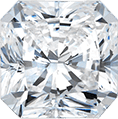
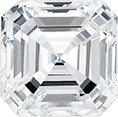
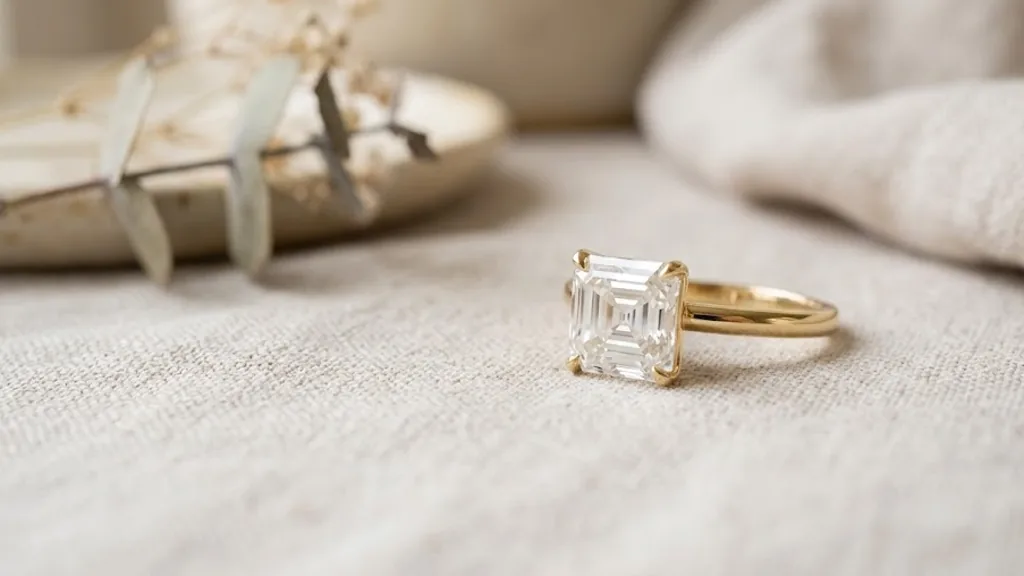
An Asscher cut has corners that are cut off at a sharp angle, so the outline is really an octagon that reads as a square. Inside, the facets, which are the flat polished surfaces on a diamond, are long and parallel and arranged in rows like steps. This is called a step cut. Peer into an Asscher and you see a series of concentric squares going down into the stone, often described as a windmill or a hall of mirrors.
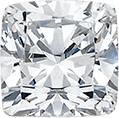
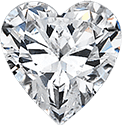
A cushion cut has soft, rounded corners, like a pillow, which is exactly where the name comes from. Inside, it has lots of small triangular and kite-shaped facets, the same family used on a round diamond. This is called a brilliant cut, and it produces plenty of sparkle.
So: Asscher is geometric, crisp and calm. Cushion is soft, warm and lively.
What each one looks like on the hand
An Asscher has real drama. It is a bold, deliberate choice, closely tied to 1920s Art Deco design. It suits people who like clean architecture, symmetry and a certain restraint. Because there is very little small sparkle, the stone reads as a piece of polished glass with light flashing across it in big, slow blocks.
A cushion is friendlier. The rounded edges make it look softer and more romantic, and the sparkle is scattered and constant. Cushions come in two broad looks that are worth knowing about before you shop.
- Chunky cushions have larger facets and give you big, bold flashes of colour. Many people find this the more characterful, antique-looking option.
- Crushed ice cushions have many more small facets and look like a glass full of crushed ice, all shimmer and no big flashes. These hide flaws extremely well.
Neither is better. But they look quite different, so always ask which type you are being shown.
Asscher versus cushion at a glance
| Asscher cut | Cushion cut | |
|---|---|---|
| Outline | Square with cut-off corners | Square or rectangle with rounded corners |
| Facet style | Step cut, parallel rows | Brilliant cut, many small facets |
| Character | Mirrored, geometric, Art Deco | Soft, sparkly, romantic |
| Hides tiny inclusions? | No, it shows everything | Yes, especially the crushed ice style |
| Hides a warm tint? | No | Reasonably well |
| Clarity we would suggest | VS1 or better | VS2 is fine |
| Colour we would suggest | D to F for white metals | G or H is fine, and warm colour can look lovely in yellow gold |
| How common | Rare. Fewer designs available | Common. Lots of choice |
| Durability | Excellent, corners are protected | Excellent, no sharp points at all |
Which one is more expensive?
Both are cheaper per carat than a round diamond, because both waste less of the rough crystal when they are cut and neither is in the same enormous demand that rounds are.
Between the two, prices are usually fairly close. Asschers are rarer and are made in smaller numbers, which pushes the price up a little, but they are also asked for far less often, which pushes it back down. In practice, the two land in similar territory per carat, and you should not choose between them on stone price alone.
Where the real cost difference appears is in the grade you need to buy.
An Asscher shows everything. Any small natural mark inside the stone, and any faint warmth of colour, is visible because there is no sparkle to distract the eye. So you generally need to buy a higher clarity and a higher colour grade, and that costs money. A cushion, especially a crushed ice cushion, is remarkably good at swallowing minor flaws, so you can spend less on the grade and put it into carat weight instead.
Our honest summary: an Asscher usually ends up being the more expensive ring, not because the shape costs more, but because it demands a better stone to look its best.
Real prices from our own collection
To give you something concrete rather than vague ranges, here is what these shapes cost as finished, hand-made rings.
Our Bezel Cushion Cut Engagement Ring in Platinum is £904. A bezel setting means a thin rim of metal wraps all the way round the edge of the diamond instead of holding it with claws. It looks very modern, it protects the stone, and it is a good choice if you work with your hands or catch jewellery on things.
If you want more presence, the Three Stone Cushion Cut Engagement Ring is £957, with a centre stone and one diamond on each side.
Asscher cuts are genuinely rare, and we currently keep one Asscher design: the Stackable Asscher Cut Wedding Band in Yellow Gold at £1,416. A row of small Asscher cut stones set side by side shows off the step cut look beautifully, and the yellow gold suits the Art Deco feel. If you want an Asscher as a centre stone in an engagement ring, that is exactly the kind of thing our bespoke service is for, and there is no extra design cost for it.
Every centre stone we set is lab-grown and comes with a free IGI certificate from an independent grading laboratory, so you can check the colour and clarity yourself rather than take our word for it. That matters especially with an Asscher.
Sizing and how big each one looks
Neither shape is a “looks bigger than its weight” shape. Both carry a fair amount of weight in their depth, below the setting, where you cannot see it. If maximum apparent size for your budget is the priority, an oval or an emerald cut will beat both of these.
Between the two, cushions vary a lot. A shallower, wider cushion will look noticeably larger than a deep, chunky one of the same carat weight. Ask for the measurements in millimetres, not just the carat weight. It is the single most useful question you can ask when comparing two stones.
Which should you pick?
Choose an Asscher if you love Art Deco design, clean geometry and something few other people will be wearing, and you are comfortable spending more of your budget on clarity and colour rather than size.
Choose a cushion if you want warmth, softness and constant sparkle, you would rather put the money into a bigger stone, or you like the vintage feel without the strictness of a step cut.
If you are buying as a surprise, cushion is the safer choice. It is a shape almost nobody dislikes. Asschers are a strong statement, and they need to be someone’s taste.
Frequently asked questions
Is an Asscher just a square emerald cut?
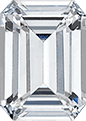
Very nearly, yes. Both are step cuts with cut-off corners. The difference is that an Asscher is square with a deeper, higher body and more layers of steps, which gives it that distinctive windmill effect looking down into the stone. An emerald cut is rectangular and shallower.
Which one sparkles more?
A cushion, comfortably. It is a brilliant cut designed to return a lot of light in lots of small flashes. An Asscher gives broad, mirror-like flashes rather than sparkle. If sparkle is the main thing you want, do not buy an Asscher.
Do cushion cuts look old-fashioned?
They have a vintage feel, which is exactly why many people choose them, but a modern setting makes them look entirely current. A bezel setting or a slim plain band gives a cushion a very contemporary look.
Are either of these shapes fragile?
No. Both are among the tougher shapes. Neither has a sharp point, which is where diamonds are most likely to chip on a knock. Both are perfectly sensible for everyday wear.
Which is easier to match with a wedding band?
Both sit well against a straight band, since neither has a point sticking out towards your finger. Cushions are slightly more forgiving because their rounded edges hide any tiny gap between the two rings.
Have a proper look
Step cuts and brilliant cuts photograph almost identically and look nothing alike in person. If you are undecided, seeing them side by side takes about thirty seconds to settle.
Everything we make is hand-made to order in solid gold or platinum, with free insured UK delivery and 30 days to return it if it is not right. We are based in North Harrow, London.
Browse the cushion cut collection, have a look at the full range of engagement rings, or see what pairs with them in wedding rings.
More guides on this topic
Ready to find your perfect ring?
Explore our lab-grown diamond collection or book a virtual appointment with our team.