What Does Cushion Cut Mean? A Complete Guide to Cushion Cut Diamond Rings
Cushion cut means a pillow-shaped outline with rounded corners. Facets, history, how to judge one and which ring styles suit it.
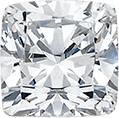
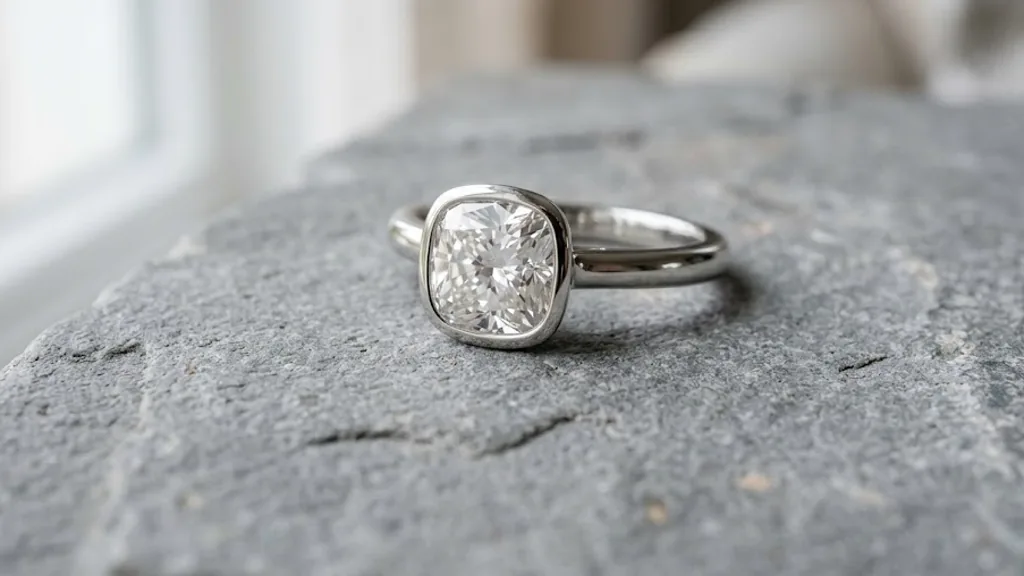
“Cushion cut” is one of those jewellery terms that sounds like it should be self-explanatory and then isn’t. It is not a brand, it is not a quality grade, and it does not tell you anything about how good the diamond is. It describes an outline: a square or rectangle with rounded corners and gently curved sides, like a small pillow. That is where the name comes from.
This guide covers what the term actually means, where the shape came from, how to judge one, and what to look for in a cushion cut ring.
What does cushion cut mean?
A cushion cut diamond has four rounded corners and slightly bowed sides. Seen from above it looks like a pillow, or a cushion — hence the name. In older trade language you may still hear it called a “pillow cut”.
The outline is the only fixed part of the definition. Within that outline, cutters vary the facet arrangement, the depth and the proportions considerably, which is why two stones both correctly described as “cushion cut” can look surprisingly different from each other.
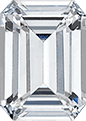
A cushion is a brilliant style cut. That means its facets are arranged in triangles and kites designed to bounce light back at the viewer, in the same family as a round brilliant — as opposed to a step cut like an emerald cut, where long parallel facets create flashes rather than sparkle.
Where the cushion cut came from
The cushion is the direct descendant of the old mine cut, which dominated diamond jewellery from roughly the 1700s through the 1800s. Old mine cuts were shaped by hand and by eye, by candlelight, long before anyone had worked out the mathematics of light return. They had a squarish cushioned outline, a small flat top, a high crown, a deep body and a large open culet — a flat facet at the very bottom point of the stone.
Those stones were never designed for the harsh, even light we live under now. They were designed for candles, and under candlelight they glow rather than glitter. The modern cushion keeps the outline and the warmth of that heritage while using modern proportions and modern polishing to return far more light.
This history is why cushions feel romantic and slightly antique to most people, even in a brand new ring. The shape carries three centuries of association with it.
How many facets does a cushion cut have?
Most cushions have 58 facets, the same count as a round brilliant. Some designs, usually called modified cushion brilliants, add extra rows of facets beneath the girdle and reach 61 to 64.
| Term on a certificate | What it means | How it looks |
|---|---|---|
| Cushion Brilliant | Classic faceting, larger facets | Bold, broad flashes of light |
| Cushion Modified Brilliant | Extra facet rows added below the girdle | Finer, more scattered sparkle |
| Old Mine Cut | Antique hand-cut predecessor | Soft glow, visible open culet |
We break the arrangement down stone by stone in our guide to how many facets a cushion cut diamond has.
You will also hear cutters and buyers talk about crushed ice versus chunky faceting. Crushed ice cushions have many small disorganised facets and sparkle like a glitter ball. Chunky cushions have fewer, larger facets and throw big, distinct flashes. Chunky is bolder and shows inclusions more; crushed ice hides flaws and slight colour better. Neither is superior, and the certificate will not tell you which you are looking at — only your eyes will.
Judging a cushion cut: what actually matters
Cut quality comes first
Here is something most buyers are never told: laboratories including IGI do not issue a full cut grade for cushions the way they do for round brilliants. Rounds have agreed mathematical ideals. Fancy shapes like the cushion do not, so the report gives you polish and symmetry grades and leaves the overall beauty to judgement.
That puts more responsibility on the jeweller and on you. Look at the depth percentage — cushions much above about 70% are carrying weight where you cannot see it. Look at the table percentage. And then look at the stone.
Colour
Because a cushion’s faceting reflects light so busily, it holds onto body colour a little more than an emerald cut does but hides it better than a large open table would. G to H usually looks white to the eye once it is set. If you are setting in yellow or rose gold, you can comfortably go a grade or two warmer, because the metal casts warmth into the stone anyway.
Clarity
A crushed ice cushion will mask a lot. VS2 is generally safe, and SI1 is often eye-clean. A chunky cushion with big open facets deserves VS1 or better, because those broad flat planes act like little windows.
Length-to-width ratio
Divide the length by the width. Around 1.00 to 1.05 gives you a classic square cushion. Around 1.20 to 1.35 gives an elongated cushion that reads longer on the finger. Both are correct; it is a matter of taste and hand shape. We cover this in more depth in our guide to whether cushion cut diamonds look bigger.
Cushion cut ring styles, and who each one suits
- Solitaire. One stone, nothing to distract from it. The cushion’s soft outline does the work. Best when the stone is well cut, because there is nowhere to hide.
- Bezel. A rim of metal wraps the whole stone. This is the most protective setting available, and it suits the cushion particularly well because the corners — the most vulnerable part of any cornered shape — are completely enclosed.
- Halo. Small stones encircle the centre. It widens the visual footprint and echoes the antique feeling of the shape.
- Three stone. A centre cushion flanked by two smaller stones. Stretches the design along the finger and carries an obvious meaning: past, present, future.
- Vintage or milgrain detailing. Tiny beaded metalwork along the edges plays to the cushion’s historic character.
In our own collection, the Bezel Cushion Cut Engagement Ring in Platinum (£904, correct at the time of writing) is the one we recommend most often to people with active hands or jobs that are hard on jewellery — platinum is dense and hard-wearing, and the bezel means nothing can snag.
The Three Stone Cushion Cut Engagement Ring (£957) suits anyone who wants presence across the finger rather than height off it. And to wear alongside either, the Solitaire Cushion Cut Wedding Band in Sterling Silver (£904) keeps the shape consistent through the stack.
Browse the full cushion cut collection or compare it against everything else in engagement rings.
Living with a cushion cut ring
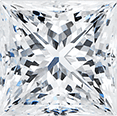
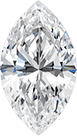
Cushions are one of the more practical fancy shapes for daily wear. The rounded corners have no sharp points to chip, unlike a princess cut, and no delicate tip to protect, unlike a pear or a marquise.
The one maintenance point worth knowing: the busy faceting that makes a cushion sparkle also traps hand cream, soap film and skin oils underneath the stone. A cushion that has gone dull is almost always dirty rather than damaged. Warm water, a drop of washing-up liquid and a soft toothbrush, once a fortnight, keeps it alive.
Frequently asked questions
Is a cushion cut the same as an old mine cut?
No, though they are related. An old mine cut is the antique hand-cut ancestor, with a high crown, deep body and an open culet you can see as a small hole at the centre. A modern cushion keeps the pillow outline but is cut to modern proportions for far more light return.
Is a cushion cut the same as a princess cut?
No. A princess cut has sharp square corners and straight sides; a cushion has rounded corners and curved sides. The princess is crisp and contemporary, the cushion soft and antique. We do not stock princess cut rings — if that is the shape you want, we will make one bespoke at no extra design cost.
Do cushion cut diamonds sparkle less than round diamonds?
They sparkle differently rather than less. A round brilliant is engineered for maximum, evenly distributed brightness. A cushion gives you broader, more coloured flashes — what the trade calls fire. Many people prefer it. Under low light, a good cushion often outperforms a round for drama.
Are cushion cut diamonds cheaper than round?
Generally yes, per carat. Cutting a cushion wastes less of the original rough crystal than cutting a round, and rounds carry a premium from sheer demand. As a rule of thumb in the trade rather than a measured figure, expect a cushion to cost meaningfully less per carat than a comparable round.
Is a lab-grown cushion a real diamond?
Yes. A lab-grown diamond has the same carbon crystal structure, the same hardness and the same optical behaviour as a mined one. Every centre stone we set comes with a free IGI certificate stating exactly what it is.
If the cushion is your shape
Cushions reward people who want something with a bit of history in its outline and a bit of warmth in its sparkle. Judge the stone with your eyes rather than only the paperwork, check the ratio, and see it in daylight before you decide.
Everything we make is hand-made in solid gold, platinum or sterling silver here in the UK, with free insured delivery, 30-day returns, and bespoke design at no extra design cost if the piece you want does not exist yet.
Ready to find your perfect ring?
Explore our lab-grown diamond collection or book a virtual appointment with our team.