What Should You Do If a Diamond Falls Out of Your Ring?
If a diamond falls out of your ring, take it off and search slowly with a torch. Bag any stone you find: even a 1.5 mm stone can usually be reset.
If a diamond falls out of your ring, take the ring off at once, search the area slowly and keep any stone you find in a sealed bag. Even a tiny stone of 1.5 mm can usually be reset. Then take the ring and the stone to a jeweller, because whatever let one diamond go is likely to let the next one go too.
What should you do the moment a diamond falls out?
The moment a diamond falls out, stop and take the ring off, so no more stones are lost while you look. Put the ring in an envelope or a small bag. Search slowly with a torch held low to the floor, because a diamond as small as 1 mm flashes when the light catches it. Check sleeves and bedding, and never run the tap near a sink.
Why do diamonds fall out of rings?
Diamonds fall out of rings mostly because a claw (also called a prong) has worn thin, bent or lifted. Claws wear a little every day, and one hard knock on a door frame or gym bar can open a weak one. Small pavé stones are held by tiny beads of metal that wear faster still. That is why most jewellers advise a check every 12 months.
In a shared claw setting, one claw holds 2 stones, so one lifted claw loosens both. See also our guide to pavé ring durability. The usual repair is explained in what re-tipping a ring claw involves.
Can a jeweller reset a diamond that fell out?
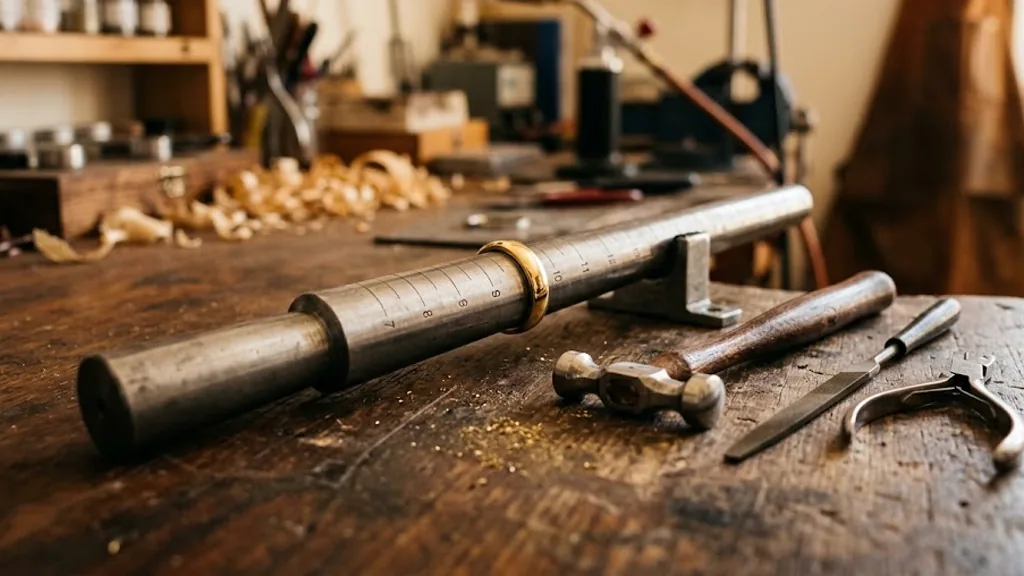
A jeweller can usually reset a diamond that fell out, as long as the stone is found and undamaged. The jeweller first checks it under a 10x loupe for chips on the girdle, the thin edge around the stone. The setting is then repaired, often by re-tipping the worn claws with new metal, and the stone is set back securely in place.
Before you book anything, contact the seller first and ask what they offer.
How is a lost diamond matched and replaced?
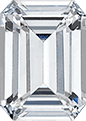
A lost diamond is matched by size in millimetres, shape, colour and clarity. Small side stones, often 1 to 2 mm, are matched to their neighbours by eye under magnification. A lost centre stone is easier to match if you have its IGI certificate, because the report records the exact measurements and grades. A lab-grown stone can usually be matched to the same specification.
The table lists warning signs, because catching a loose stone early is far cheaper than replacing it.
| Sign | What it usually means |
|---|---|
| The stone ticks when you tap the ring | The stone can move in its setting |
| The ring suddenly catches on jumpers | A claw tip has lifted or worn sharp |
| A claw tip looks flat or thin | The claw holds less of the stone |
| A gap between claw and stone | The claw has bent away |
Will insurance pay for a diamond that fell out?
Insurance may pay for a diamond that fell out, but only if your policy covers lost stones and not just the loss of the whole ring. Some policies exclude a lost stone unless the ring was checked by a jeweller recently, often within the last 12 months. Find your policy wording, the IGI certificate and any valuation before you call the insurer.
See our guide to engagement ring insurance and our guide to claiming for a ring.
A rubover setting, like our Bezel Cushion Cut Engagement Ring in Platinum at £904, wraps the stone’s whole edge. Rings with many small stones, like our Stackable Round Cut Full Eternity Band at £707, need the yearly check most. Prices are correct at the time of writing. See our engagement ring collection.
Frequently asked questions
Can a small diamond that fell out be put back?
Yes, if you find it and it is not chipped. A small diamond of 1 to 2 mm can be reset by a jeweller once the claws or beads that held it have been repaired. Keep it in a sealed bag, not loose in a pocket or a tissue.
Why do my diamonds keep falling out?
Diamonds that keep falling out usually point to worn claws or beads across the whole ring, not one bad stone. Daily wear thins metal, and 9ct, 18ct and platinum all wear in different ways. A jeweller should check and repair every setting together, not one stone at a time.
Should I keep wearing a ring with a missing stone?
No. A ring with a missing stone has at least 1 weak setting, and the claws next to the gap are often weak too. Wearing it risks losing more stones, often the ones either side of the gap. Put it away in a closed box until a jeweller has checked it.
Can I check my ring for loose stones at home?
Yes. Hold the ring next to your ear and tap it gently with a fingernail: a loose stone ticks or rattles. Look at each claw with a magnifier and run the ring lightly over a pair of tights to see if anything snags. Any of these means a jeweller should look soon.
Does cleaning a ring make stones fall out?
No, gentle cleaning does not loosen a sound setting. A soak in warm water with a drop of washing-up liquid and a soft brush is safe. An ultrasonic cleaner can shake out a stone that is already loose, though, so have the ring checked first if it is more than 12 months since its last inspection.
Who should I contact first when a stone falls out?
Contact the seller first and ask what they offer, then call your insurer if the ring is covered by a policy. Have your receipt, the IGI certificate and any valuation ready. Act quickly, because most insurers expect any loss to be reported promptly, and keep the stone if you found it.
More guides on this topic
Ready to find your perfect ring?
Explore our lab-grown diamond collection or book a virtual appointment with our team.