What Is a Certified Lab-Grown Diamond?
An independent laboratory report is the most useful document in the whole purchase. What it covers and how to read it properly.
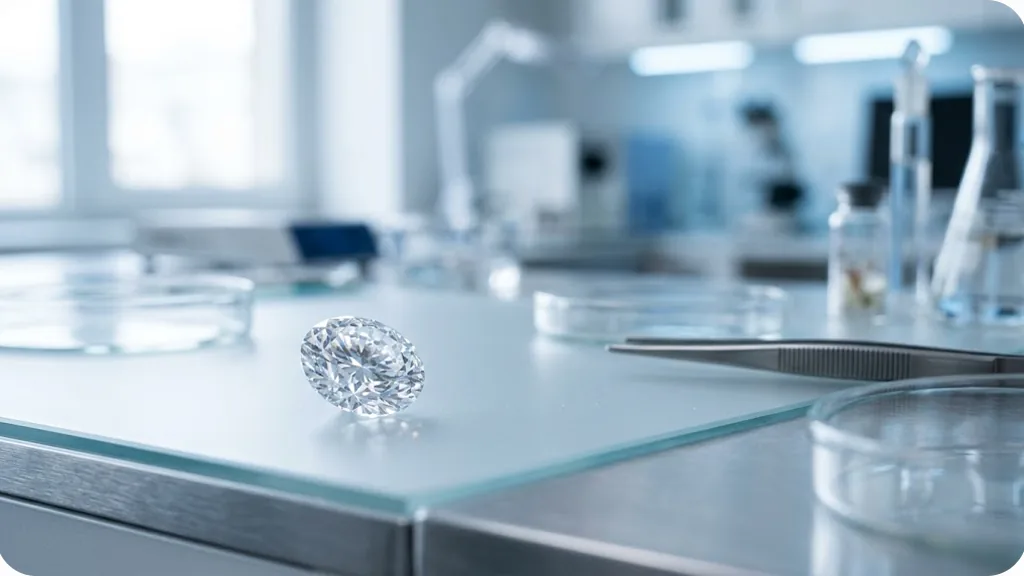
A certified lab-grown diamond is a laboratory-grown diamond that has been examined and graded by an independent gemmological laboratory, which then issues a written report describing exactly what the stone is.
That report is the single most useful document in the whole transaction. It is the difference between a seller telling you a stone is a one carat, F colour, VS1, excellent cut lab-grown diamond, and a third party with no stake in the sale confirming it in writing.
Here is what certification actually covers, who does it, and how to read the report you are handed.
What the certificate is for
Diamonds are graded on the 4Cs: carat, colour, clarity and cut. Every one of those grades affects the price, sometimes dramatically, and none of them can be judged reliably by an untrained eye.
A one carat stone at F colour costs considerably more than the same stone at J. A stone graded Excellent cut looks visibly better than one graded Good. Without independent grading, you are trusting the person taking your money to grade honestly against their own interest.
Certification removes that problem. The laboratory has never met you, does not profit from the sale, and grades to a published standard.
Who does the certifying
Three names cover almost everything you will encounter in the UK.
- IGI (International Gemological Institute). The most widely used laboratory for lab-grown diamonds. Reports are detailed, consistent and well understood by the trade.
- GIA (Gemological Institute of America). The organisation that created the 4Cs system. Grades lab-grown stones on the same full scale as mined ones.
- GCAL and others. Smaller laboratories, some very good, some inconsistent.
Be wary of “certificates” issued by the seller themselves, or by a laboratory nobody in the trade has heard of. An in-house appraisal is not independent grading, whatever it looks like.
Every centre stone we set at CarbonstoneUK comes with a free IGI certificate. It is included, not an optional extra.
What is on the report
| Line on the report | What it tells you | How much it matters |
|---|---|---|
| Report number | Unique identifier, verifiable on the laboratory website | Essential |
| Growth method | Whether the stone was grown by CVD or HPHT | Interesting, not price-critical |
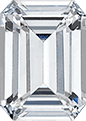
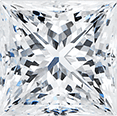
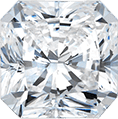
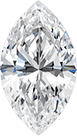
| Shape and cutting style | Round brilliant, emerald cut and so on | Useful |
| Measurements | Dimensions in millimetres | Important for how big it looks |
| Carat weight | The weight, to two decimal places | Important |
| Colour grade | D to Z | Important |
| Clarity grade | FL to I3 | Moderately important |
| Cut grade | Excellent to Poor (round brilliants) | The most important line |
| Polish and symmetry | Finishing quality | Worth checking |
| Fluorescence | Glow under UV light | Usually irrelevant |
| Inscription | Report number laser-etched on the girdle | Very useful for identification |
| Comments | Any treatments or unusual features | Always read this |
How to read it properly
Most people read a certificate top to bottom and fixate on carat weight. We would suggest a different order.
- Cut grade first. This determines how much light returns to your eye, and it is the only grade that cannot be improved later. Aim for Excellent, and treat anything below Very Good as a compromise you should be paid for.
- Then measurements. Two stones can both weigh one carat and look different sizes. A shallow-cut stone spreads wider but sparkles less. The millimetre diameter tells you what people will actually see.
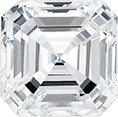
- Then colour. G or H reads as colourless in most settings. Step cuts like emerald and asscher benefit from going higher.
- Then clarity. Anything eye-clean looks identical in wear. VS2 and SI1 are usually the value grades.
- Then the comments. Never skip these. This is where treatments and unusual characteristics are noted.
The laser inscription
Most certified stones carry the report number laser-etched onto the girdle, the thin band around the widest part of the stone. It is invisible without magnification and does not affect appearance.
This matters practically. It means you can confirm that the stone in your ring is the stone described on the paperwork, and it makes the piece identifiable if it is ever lost or stolen. Ask your jeweller to show you the inscription under magnification before you take the ring home.
Verifying the certificate yourself
You do not have to take anyone’s word for it. IGI and GIA both publish free online report lookup tools. Enter the report number and the original grading appears on screen.
Do this. It takes thirty seconds and it catches the rare but real problem of a genuine certificate being paired with a different stone.
Does certification change the price?
Certified stones cost slightly more than uncertified ones, because grading costs money. That premium is small and it buys you the ability to compare stones across sellers on identical terms.
An uncertified stone is not necessarily a bad stone. It is an unverifiable one, which means you cannot know whether the price is fair. For anything beyond a very small accent stone, we would not buy without a report.
Certificate red flags
Most certificates you encounter will be genuine and straightforward. A small number are not, and the problems tend to follow a pattern.
- A laboratory nobody recognises. Official-looking documents from unknown organisations are common. If the laboratory has no public online verification tool, treat the document as a description rather than a grading report.
- No report number, or a number that does not verify. Always check the number on the laboratory’s own website. It takes seconds and it is the single most valuable thing you can do.
- Grades that do not match the price. A large, high-colour, high-clarity, excellent-cut stone at an unusually low price is telling you something. Either a grade is inflated or the stone is not what it says.
- An appraisal presented as a certificate. An appraisal states a value. A certificate states facts about the stone. They are different documents and only one of them is independent grading.
- No mention of whether the stone is grown or mined. Any proper report from IGI or GIA states this plainly. Silence on the point is a problem.
- A certificate that does not match the ring. Check the measurements and the shape on the report against the stone in front of you, and ask to see the laser inscription.
None of this requires expertise. It requires reading the document and spending thirty seconds on the laboratory’s website. Sellers who are straight with you will be entirely comfortable with both.
Frequently asked questions
Do lab-grown diamonds get the same certificates as mined ones?
Yes, graded on the same 4Cs by the same laboratories. The report states clearly that the stone is laboratory-grown, which is a statement of origin rather than of quality.
Is a certificate the same as a valuation?
No, and this trips people up. A certificate describes the stone. A valuation states a monetary figure for insurance and is produced separately, usually by a jeweller or a registered valuer. You may want both.
What if I lose the certificate?
If the stone is laser inscribed, the report can be looked up online using the number. Photograph your certificate and store it with your insurance documents as a matter of routine.
Do the smaller stones in a ring get certified?
Usually not individually, because grading costs more than the stones are worth. Certification normally covers the centre stone, which is standard practice across the trade. Ours works this way too.
Do you certify every stone you sell?
Every centre stone comes with a free IGI certificate. We will read it through with you before you buy if you would like, including on stones you are considering elsewhere.
Buying with confidence
The certificate is what turns a purchase from an act of trust into an informed decision. Read the cut grade first, check the comments, verify the number online, and the rest becomes much simpler.
If you would like to see what good grading looks like in a finished piece, our Solitaire Round Cut Engagement Ring shows a single certified centre stone at its most exposed, while the Hidden Halo Oval Cut Engagement Ring shows how a certified centre works alongside smaller accent stones. For a step cut where the certificate genuinely earns its keep, see the Three Stone Emerald Cut Engagement Ring.
Browse the full engagement ring collection or the emerald cut rings. Everything is hand-made in solid gold or platinum in North Harrow, London, with free insured UK delivery and 30-day returns.
More guides on this topic
Ready to find your perfect ring?
Explore our lab-grown diamond collection or book a virtual appointment with our team.