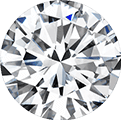
Are Round Diamonds Out of Style?
No. Round is the shape we stock most, at 20 of our 68 rings. The charge of being boring is really a charge of being safe, which is not the same thing.
No, round diamonds are not out of style. Round appears in more of our ring designs than any other shape, 20 of 68, and that is our own stock count rather than a market figure. The round brilliant has been cut in roughly its modern form since the 1920s. Calling it boring is really calling it safe.
Why do round diamonds keep outselling every other shape?
Round diamonds keep being chosen because the shape does three things better than the alternatives, not because of any campaign. No reliable public figure exists for UK diamond shape sales, so treat any percentage you read with suspicion. What we can say is our own: 20 of our 68 rings are round, more than any other shape, and round is what customers ask for when they have no other preference.
Those three things are light, tolerance and easy comparison. A round brilliant sends more light straight back at the eye than any other outline, because its facets are arranged for exactly that. It hides a slightly lower colour or clarity grade better than a flat step cut does. And because every cutter makes it, you can compare two round stones like for like in a way you cannot with a pear.
Are round diamonds too common to feel personal?
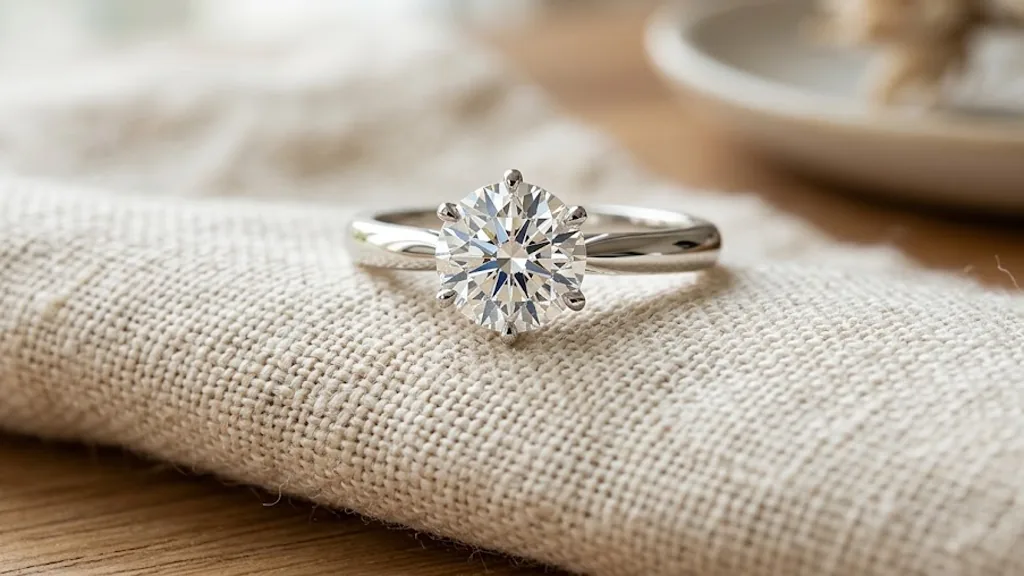
Round diamonds are common, and whether that makes a ring impersonal depends on everything except the stone. The setting, the metal, the band width and the engraving do far more work than the outline of the centre stone. Two round solitaires in different metals, one on a plain 2mm band and one on a twisted shank, do not read as the same ring at all across a table.
That is the honest answer we give at the bench when someone worries their ring will look like everyone else’s. Our twisted round cut engagement ring is £1,007 and our vintage round cut ring in yellow gold is £1,051, both correct at the time of writing. Neither looks like the plain solitaire most people picture when they hear the word round.
What makes a round brilliant look dated rather than classic?
What dates a round brilliant ring is almost never the stone. Yellow gold heads on white shanks, very thin knife-edge bands, deep 1980s cathedral mounts with a high basket, and heavy engraved shoulders all place a ring in a decade. The round outline itself has not changed since the 1920s, so it carries no date with it. Change the mount and the same stone reads current again.
Resetting an inherited round stone into a plain rubover setting is the cheapest way we know to move a ring forward twenty years, and it costs far less than buying a new stone. If you are weighing round against a different outline rather than a different mount, how the diamond shapes compare sets them out side by side.
The table below splits a round diamond ring into the parts that carry a date and the parts that do not, so you can see where the ageing actually happens.
| Part of the ring | Does it date? |
|---|---|
| The round brilliant outline | No, unchanged since the 1920s |
| Mount height and basket | Yes, a high 1980s head shows |
| Band width | Yes, a 1.5mm knife edge reads of its decade |
| Metal colour | Yes, fashion moves between yellow, white and rose |
| Claw count | No, 4 or 6 claws look the same in any era |
How does a round brilliant differ from other brilliant cuts?
A round brilliant is one member of the brilliant-cut family, not a synonym for it. Brilliant cut means the facets are shaped as triangles and kites arranged to bounce light back at you, and oval, pear, marquise, heart, radiant and cushion cuts all use that same facet plan on a different outline. What makes the round different is that it has no long axis, so it has no bow-tie shadow to manage.
Price follows that family resemblance closely, and what brilliant cut diamonds cost explains where the money goes. A round wastes more of the rough crystal than a long shape does, which is the main reason a lab-grown round costs more per carat than a lab-grown oval or marquise of the same grade. The same gap holds for mined stones.
Which round rings do we actually make?
Round rings make up 20 of the 68 designs in our range, which is more than any other shape and close to a third of everything we make. Those 20 run from a plain four-claw solitaire at £563 to a pavé vintage ring at £1,051, correct at the time of writing, in yellow, rose and white gold, platinum and sterling silver. Every centre stone is lab-grown with a free IGI certificate.
The plainest of them is our platinum round cut solitaire engagement ring at £657, correct at the time of writing, which is the ring most people picture when they say round. You can filter the rest by outline in the round shaped ring collection and judge the range for yourself.
Should you choose a round diamond or something rarer?
Choosing a round diamond or a rarer outline is a question about you, not about the stone. Round is the easiest shape to compare on paper and the easiest to match later if you ever need a second stone. A marquise, a rose cut or a hexagon will get more comment and often cost less per carat, at the price of a harder buying decision. Neither answer is wrong.
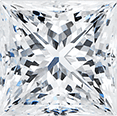
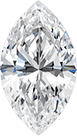
The price gap between outlines is real and worth checking before you decide. how much does a 1 carat round diamond cost and what marquise cut diamonds cost both give figures rather than opinions. We do not stock Old European or princess cuts at all, and whether old European cuts are worth more covers the antique outline that sits outside our range.
If you want that antique look in a stone we do make, a rose cut is the closest thing to it, and we will cut a bespoke ring around one at no extra design cost. Every ring is made by hand in our North Harrow workshop in London, in solid gold or platinum, with free insured UK delivery and 30-day returns.
Frequently asked questions
Are round diamonds overdone?
Yes, in the sense that round is the shape we are asked for most often and the one that fills 20 of our 68 designs. That is our own stock, not a national figure, and no reliable public one exists. Overdone only matters if you want a ring noticed for its outline rather than its light.
Do round diamonds hold their look?
Yes. A round brilliant looks the same in twenty years as it does today, because the facet arrangement has not changed in a century and the outline carries no decade with it. What ages is the mount around it. Claw tips wear, white gold plating dulls, and a high 1980s basket shows its age long before the stone does.
Which shape reads as the least conventional?
Of the shapes we cut, a lozenge, a hexagon or a rose cut reads least conventional, because each has a flat or geometric outline most people cannot name on sight. A Dutch marquise and a toi et moi setting sit close behind. Round, oval and pear are the three that read as expected, in that order.
Is a round brilliant worth the extra cost?
Yes, if light matters more to you than size on the finger. A round wastes more of the rough crystal than an elongated shape, so a lab-grown round costs more per carat than a lab-grown oval or marquise of the same grade. You are paying for light return and easy comparison, not for rarity.
How many facets does a round brilliant have?
A standard round brilliant has 57 facets, or 58 if the stone is finished with a culet, which is a tiny flat facet at the very bottom point. The count is the same for a lab-grown stone and a mined one. Facet count is fixed by the cutting plan, so it is not something you choose.
Do lab-grown round diamonds look the same?
Yes. A lab-grown round brilliant and a mined one are the same material cut to the same proportions, so they look identical in the ring and to the naked eye. The difference shows only on specialist laboratory equipment and on the certificate, which states the growth method. Every centre stone we set is lab-grown.
More guides on this topic
Ready to find your perfect ring?
Explore our lab-grown diamond collection or book a virtual appointment with our team.