P1, P2 and P3 are Pique clarity grades from older European reports, roughly I1 to I3. They are the lowest tier, and IGI does not use them on ours.
Understand diamonds properly. Clear explanations of the 4Cs, diamond shapes, certification and how to get the most beauty for your budget.
P1, P2 and P3 are Pique clarity grades from older European reports, roughly I1 to I3. They are the lowest tier, and IGI does not use them on ours.
No. Round is the shape we stock most, at 20 of our 68 rings. The charge of being boring is really a charge of being safe, which is not the same thing.
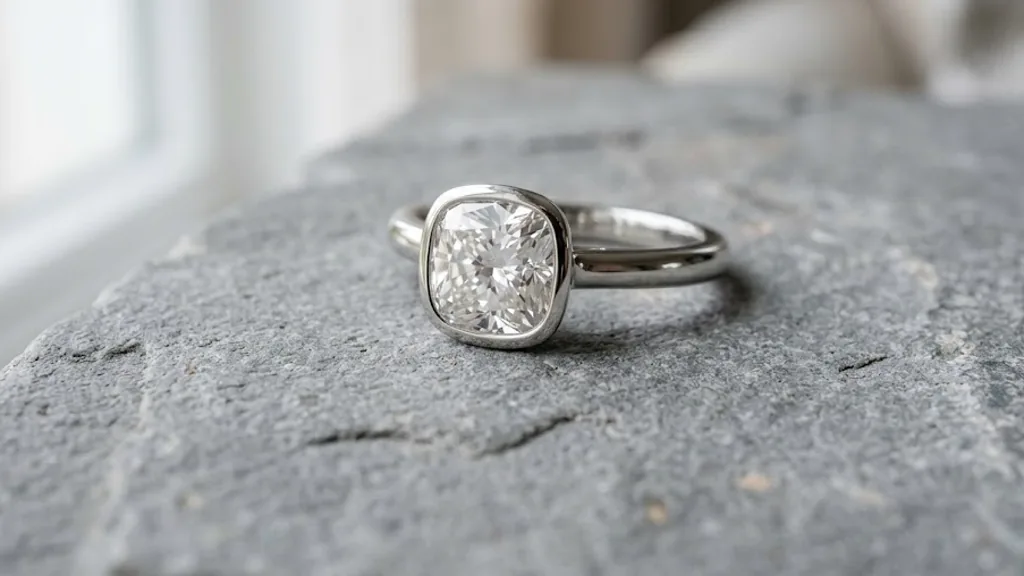
Nothing provable, but the choice does signal taste. A cushion reads soft and vintage beside a sharp 1 carat emerald cut, which is why people choose it.
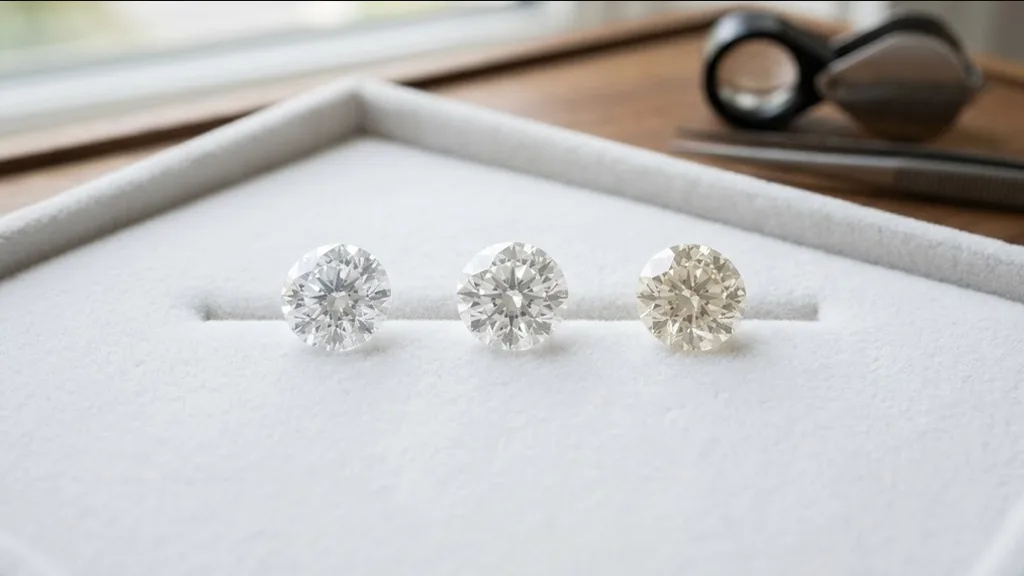
Often, yes. L and M sit below the near-colourless band and show warmth face-up, especially above 1 carat. Yellow gold hides it better than platinum.
G/H means the stone sits somewhere in the near-colourless band, not at one fixed grade. It is a range, so ask which of the 2 letters yours actually is.
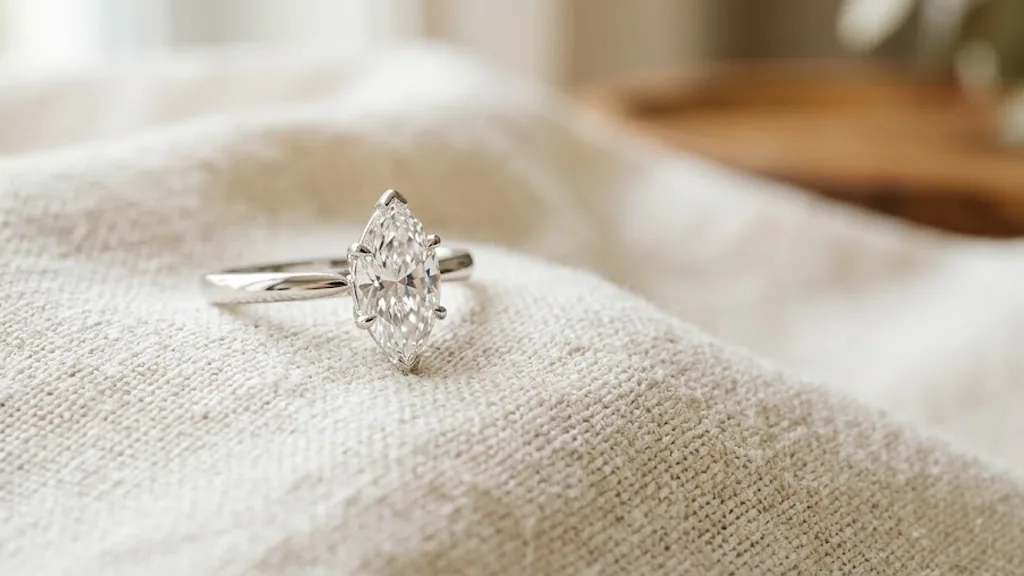
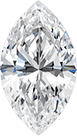
Yes, though differently to a round. The long shape throws flashes rather than even fire, and a bow-tie shadow across the centre dulls a badly cut 1 carat.
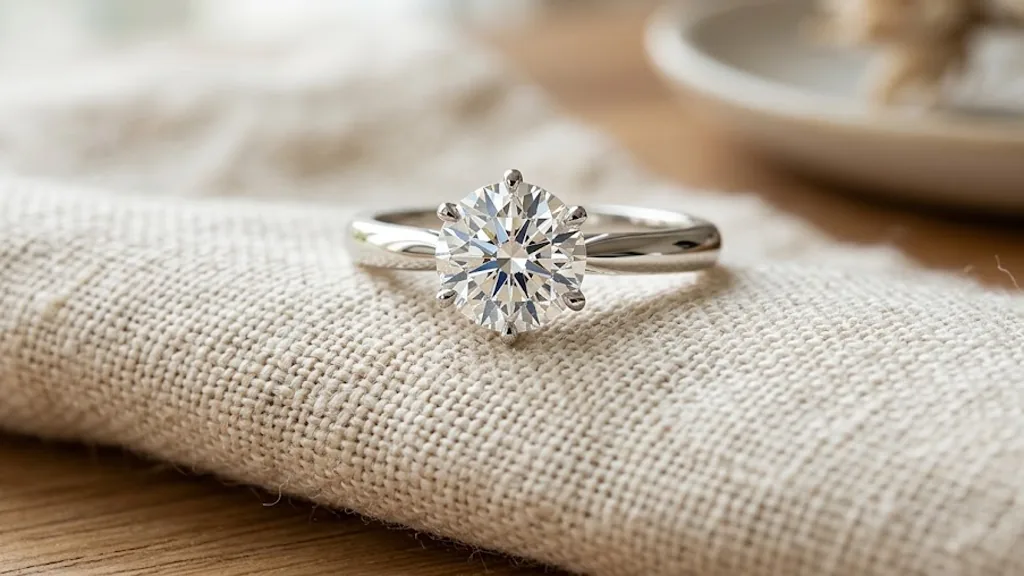
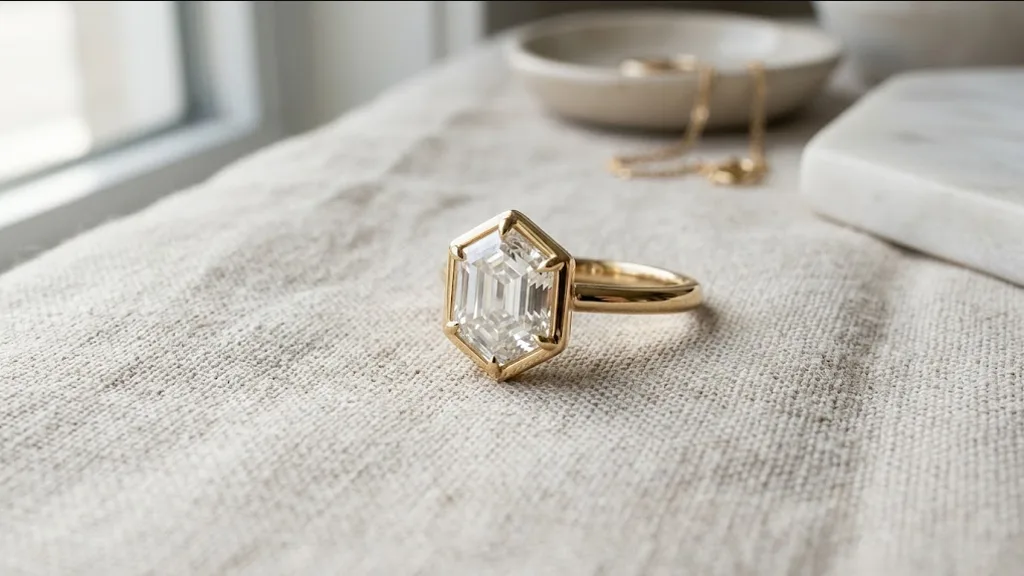
A hexagon cut has six straight sides and is usually a step or mixed cut. We make 4 hexagon rings, and each of the 6 corners is a point that needs covering.
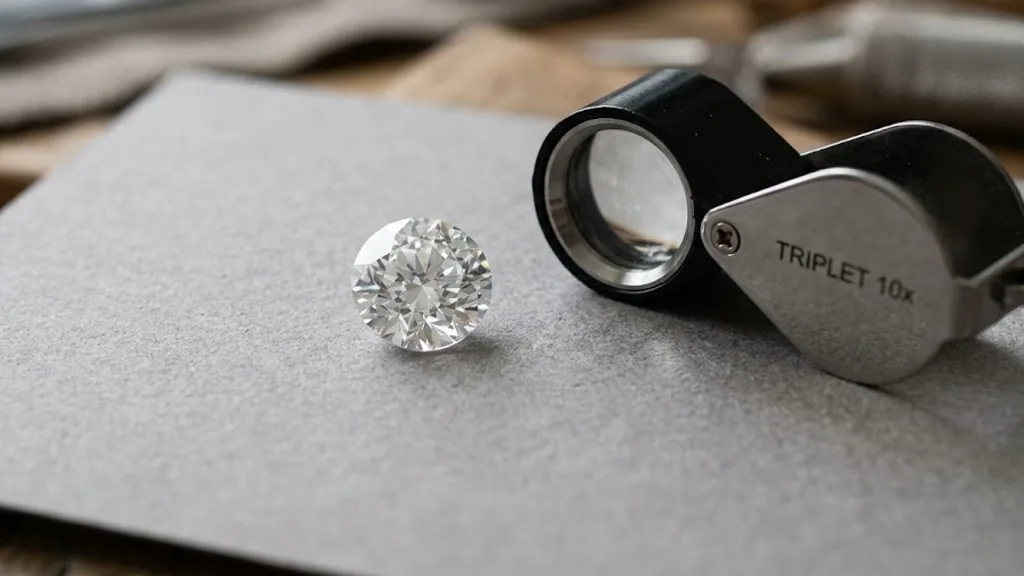
Windowing is a see-through patch where light passes straight through a shallow stone. Tilt it 10 degrees under a lamp and the dead area shows itself.
Shape is the outline, cut is the quality. Every diamond shape compared, what we stock, and how to match a shape to a hand.
Diamond colour runs D to Z, colourless to tinted. The full scale, what each grade looks like, fluorescence and which to buy.
You cannot copy content of this page
Join our list for early access to new collections, and unlock your welcome code — plus complimentary gift packaging.