Zendaya’s Engagement Ring: The East-West Cushion Cut Explained
What has been reported about Zendaya's engagement ring, and what the cushion cut, east-west setting and mixed metals actually do.
Zendaya’s engagement ring has been picked over in more detail than most royal jewellery, and it is genuinely interesting from a design point of view — because almost every element of it goes against what the high street has been selling for thirty years. Here is what has been widely reported about the ring, and, more usefully, what each of those design choices actually does.
A note on sourcing first: we have no inside knowledge. Everything below is what jewellers and the press have observed from photographs, and where the reporting is an estimate rather than a fact, we say so.
What has been reported
The ring is widely described as an elongated cushion cut diamond, estimated at around five carats, set horizontally across the finger on a yellow gold band. The stone sits in a white metal collet, giving a subtle two-tone effect, and the setting has been identified by several jewellers as a Georgian-style cut-down or “button-back” design.
The maker is widely believed to be the London jeweller Jessica McCormack, who is known for antique-inspired work. Carat weight quoted in the press is an estimate from photographs, not a published figure, so treat it as approximate.
What makes the ring notable is not the size. It is the combination: an antique setting style, an unconventional orientation, and mixed metals, on a stone shape that is itself a hybrid.
The cushion cut
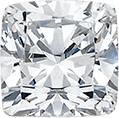
A cushion cut is a square or rectangular stone with rounded corners and gently curved sides — the shape of a pillow, which is where the name comes from. It is one of the oldest cuts still in regular use, descended from the old mine cuts of the eighteenth and nineteenth centuries.
Cushions behave differently from round brilliants. Their facets are typically larger, which produces broader, softer flashes of light rather than the fine, busy sparkle of a round. Many people describe the effect as warmer or more romantic. It is also more forgiving of slight tints of colour in the stone.
An elongated cushion is stretched into a rectangle rather than a square. Elongated shapes cover more of the finger for the same carat weight, so they read as larger. That is a genuinely practical reason to choose one, quite apart from the look.
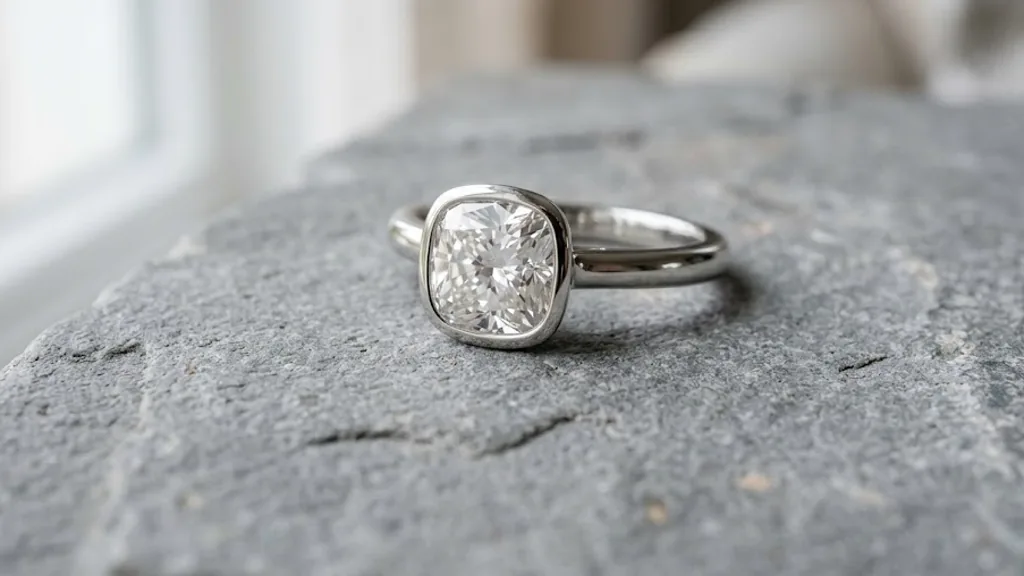
If you like the shape, our bezel cushion cut engagement ring in platinum takes a similar low-profile, metal-forward approach, and the three stone cushion cut engagement ring shows the shape in a more traditional arrangement.
The east-west setting
This is the most distinctive choice. An east-west setting turns an elongated stone sideways, so its long axis runs across the finger rather than along it.
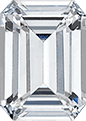
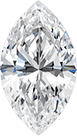
Almost every engagement ring you have seen does the opposite. Ovals, pears, marquises and emerald cuts are conventionally set north-south, pointing up the finger, because that orientation makes the finger look longer.
Turning the stone changes several things at once:
- It reads as wider. The stone spans the finger, which gives the ring more visual presence from the front.
- It sits lower and more stably. There is no long point at either end to catch on things.
- It looks modern by being old. East-west settings were common in antique jewellery and fell out of fashion; their return reads as deliberate rather than default.
- It stacks awkwardly. A horizontal stone can make it harder to sit a wedding band flush against the setting, which is worth knowing before you commit.
The button-back setting
The setting style described in the reporting is a Georgian-inspired cut-down or button-back design: the stone is encircled by metal with prongs formed from that metal, rather than by separate claws soldered on, and the whole thing sits low against the band.
The practical effect is a ring that is protective and unfussy. Very little of the stone’s edge, or girdle, is exposed. There are no fine claws standing proud to catch on clothing or wear thin over twenty years.
The closest widely available equivalent is a bezel setting, where a rim of metal wraps the stone. It is the most durable setting style there is, and it has become genuinely popular over the last few years for exactly that reason. Our bezel hexagon cut engagement ring in rose gold shows how much the metal rim contributes to the look, not just the security.
Mixed metals
A yellow gold band with a white metal collet is a two-tone design, and it is a much older idea than it looks. Antique rings frequently set diamonds in silver or platinum on gold shanks, because a white metal makes a colourless stone look whiter.
The rule with mixed metals is simple: make the contrast obvious or match exactly. A yellow band against a clearly white setting reads as a design decision. Two shades of nearly-the-same white reads as a mistake.
What to take from it if you are buying
Four ideas from this ring are worth borrowing, and none of them require five carats.
Elongated shapes cover more finger. If you want visual size for your budget, an elongated cushion, oval, marquise or emerald cut does more per carat than a round.
Low settings survive daily wear. Bezels and low-profile designs are far more practical than raised claws, particularly for anyone who works with their hands.
Orientation is a free design choice. Setting a stone east-west costs nothing extra and completely changes a familiar shape.
Antique-inspired does not mean antique-priced. The character in this ring comes from the setting style, not from the stone.
To be straight with you: we do not stock an east-west cushion ring, and we do not hold five carat centre stones as standard. That kind of ring would be a bespoke commission — and we charge no extra design cost for bespoke work, so you would be paying for the metal and the stone rather than for the design.
What we make
Everything we sell is set with lab-grown diamonds, which are the same material as mined stones and cost substantially less for equivalent size and grade. Centre stones come with a free IGI certificate. Rings are hand-made in solid gold, platinum or sterling silver in North Harrow, with free insured UK delivery and 30 days to return.
Elongated shapes and the size illusion
The most transferable lesson from this ring is about proportion rather than budget.
Carat is a measure of weight, not of size on the finger. Two stones of identical weight can look noticeably different depending on how that weight is distributed. A deep, chunky stone hides much of its weight below the setting where nobody sees it. A shallower, elongated stone spreads the same weight across a wider surface.
That is why elongated cushions, ovals, marquises and emerald cuts consistently look larger than round brilliants of the same carat weight. If visual size for your money is the priority, shape does more work than carat.
Our solitaire marquise cut engagement ring is a clear example — the marquise is the most elongated shape there is, and it covers more finger per carat than anything else.
Buying a ring inspired by one you have seen
Two honest warnings if you are working from a celebrity photograph.
Photographs flatten depth and exaggerate size. A stone in a press image, shot close up with good lighting on a small hand, will look considerably larger than the same stone across a dinner table.
And carat estimates in the press are guesses. Nobody outside the jeweller and the client knows the specification, and estimates from photographs are routinely wide of the mark in both directions. Use the ring as a source of design ideas, not as a specification to match.
Frequently asked questions
What shape is Zendaya’s engagement ring?
It has been widely reported as an elongated cushion cut, set horizontally across the finger in an east-west orientation.
How big is the diamond?
Press estimates put it at around five carats, but that is a figure derived from photographs rather than a published specification. Treat it as approximate.
What is an east-west setting?
Any setting that turns an elongated stone sideways so its long axis runs across the finger instead of along it. It makes the ring look wider and sit lower.
Does an east-west ring work with a wedding band?
It can, but a horizontal stone often means the band will not sit flush without shaping. A curved or contoured band, or a set designed together, solves it.
Can you get a similar look with a lab-grown diamond?
Yes. The look comes from shape, orientation and setting style, none of which depend on how the diamond was formed. An elongated cushion in a low bezel gets you most of the way there.
Browse our engagement ring collection, or narrow it to cushion cut rings if that shape is what caught your eye.
More guides on this topic
Ready to find your perfect ring?
Explore our lab-grown diamond collection or book a virtual appointment with our team.