Are Oval Diamonds Too Trendy? Will an Oval Ring Look Dated Later?
Ovals are everywhere right now. The shape itself is decades old and ages well; it is the setting around it that dates a ring. How to buy one that lasts.
Oval diamonds have been extremely popular for several years now, and that popularity is exactly what worries people. Nobody wants to spend a significant sum on a ring that will look like a particular decade in twenty years’ time, the way certain settings from the 1980s and 1990s now do.
The short answer is that the oval itself is not the risk. It is one of the oldest brilliant shapes still in use and it does not carry a decade stamped on it. What can date a ring is everything built around the stone. This guide separates the two, and shows you how to buy an oval that will still look right in thirty years.
The oval is not a new shape
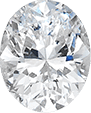
Elongated brilliant cuts have existed for a very long time, and the modern oval brilliant has been in regular use since the 1960s. It has moved in and out of fashion repeatedly since then without ever disappearing.
That history matters. Shapes that date badly are usually ones invented during a single fashion moment and abandoned when it passed. A shape that has already survived several cycles of taste is a far safer bet than its current popularity suggests.
Why it became popular again
The oval’s recent run is driven by three practical advantages rather than by fashion alone, which is another reason to expect it to endure.
- It looks larger than a round of the same weight. Because the shape is stretched, more of the diamond’s surface faces upwards. You get more visible stone for the same carat weight.
- It flatters the hand. The length of the stone runs along the finger, which makes fingers look longer and slimmer.
- It costs less than a round. Round brilliants waste more of the original crystal during cutting, so they carry a premium. Our own comparison of round and oval prices goes through this in detail.
None of those benefits will stop being true when fashion moves on.
What actually dates a ring
Look at rings that now look unmistakably of their era and the stone shape is almost never the culprit. It is the treatment around it.
| Element | Ages well | Ages badly |
|---|---|---|
| Setting | Solitaire, three stone, simple bezel | Very elaborate or novelty settings |
| Halo | Thin, in proportion, or hidden underneath | Thick double halos that dominate the centre stone |
| Band | Plain, or a single fine line of stones | Split shanks with multiple layers of detail |
| Metal | Any of yellow, white, rose — chosen because it suits the wearer | Heavy two-tone combinations chosen for effect |
| Proportions | Stone and band in balance | An enormous head on a very thin band |
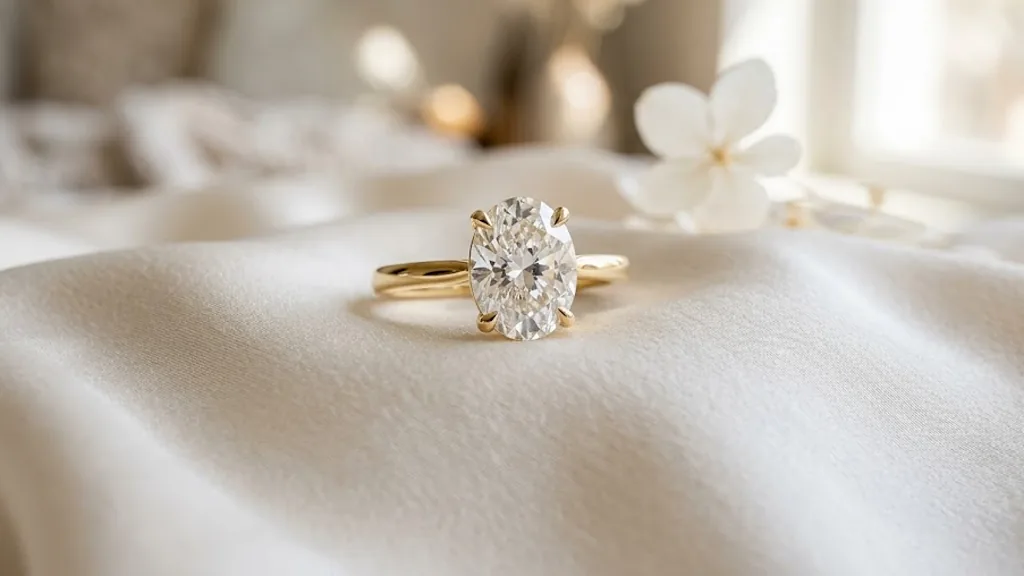
If you want an oval that will not date, the honest advice is simple: keep the setting quiet and let the stone do the work. A solitaire oval cut ring at £557, correct at the time of writing, is about as timeless as a ring gets — the same design would have looked correct forty years ago and will look correct in forty more.
If you want detail without the risk
Not everyone wants a plain solitaire, and you do not have to accept one. Two designs give an oval more presence while staying on the safe side of fashion.
A three stone oval cut ring at £1,021 uses a layout that has been in continuous use for well over a century. It reads as classical rather than current.
A hidden halo oval cut ring at £1,021 puts the extra diamonds underneath the centre stone, where they lift it visually without changing the ring’s outline. From above it still looks like a solitaire, which is precisely why it dates less than a visible halo.
Does it matter if lots of people have one?
This is really the question behind “too trendy”, and it deserves a straight answer. Yes, you will see other oval rings. If it genuinely bothers you to own something common, that is a real preference and worth respecting.
Two ways to keep the shape and lose the sameness. The first is proportion: a shorter, rounder oval or a longer, narrower one both look noticeably different from the standard, and the length-to-width ratio is something you can specify. The second is metal: most ovals you see are set in white metal, so yellow or rose gold immediately makes the same stone read differently.
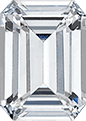
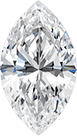
Alternatively, choose a shape we stock in smaller numbers. Marquise, hexagon and rose cut are all far less common on the high street, and each has its own character.
Length-to-width ratio: the setting you can actually control
Ovals vary far more than most buyers realise. The ratio of a stone’s length to its width changes its whole character, and two ovals of identical carat weight can look like different shapes entirely.
- Shorter, rounder ovals look fuller and softer, and sit closer in character to a round brilliant. They tend to show less of a central shadow.
- Middle-of-the-range ovals are what most people picture and what most shops stock.
- Longer, narrower ovals look more dramatic, elongate the finger most, and can show the bow tie shadow more strongly.
None of these is correct or incorrect, and the fashionable ratio shifts every few years, which is a good argument for ignoring it and choosing what you like. Look at several side by side before deciding — this is the choice people most often regret not making deliberately.
Practical points of living with an oval
Two things are worth knowing before you commit, neither of them about fashion.
Ovals rotate. An elongated stone on a slim band will turn on the finger, leaving the stone sitting sideways. Correct sizing solves most of it, and a slightly wider band or a setting with a little more weight underneath solves the rest.
Wedding bands need thought. An oval sits low enough that a straight band usually fits against it, but a large stone or a high setting may want a shaped or curved band. It is worth checking before you buy rather than after, particularly if you have a specific band in mind.
Neither is a reason to avoid the shape. Both are much easier to deal with at the point of purchase than two years later.
Will an oval hold its value?
No ring holds its value in the way people hope. Resale prices for jewellery of every kind are far below retail, whatever the shape or the origin of the stone. Buy a ring because you want to wear it, not as an investment, and the question of trends becomes much less frightening.
What you can control is quality. A well-cut stone in a well-made setting can be recut, reset or restored decades later. A poorly made ring cannot.
How to buy an oval you will still like
- Choose the stone in person or on video, watching the centre for the shadow known as the bow tie, which every oval has to some degree.
- Pick a length-to-width ratio you actually like rather than the one that is currently fashionable.
- Keep the setting simple, or choose a layout with a long history such as three stone.
- Match the metal to what the wearer already owns, not to what photographs best.
- Check the stone is certified. Ours come with a free IGI certificate on centre stones.
Frequently asked questions
Are oval diamonds a passing trend?
The shape has been in use for decades and has been popular more than once. Its advantages of size and flattery on the finger are practical rather than fashionable.
Will an oval engagement ring look dated in twenty years?
The stone will not. An elaborate setting might, which is why we suggest keeping the design around it restrained.
Do ovals sparkle as much as round diamonds?
Slightly less, because the shape cannot return light as evenly. Our guide on whether oval diamonds sparkle as much as round covers the difference honestly.
Is an oval better than a round?
Neither is better. They are different trade-offs between sparkle, apparent size and price, which we compare in our piece on oval versus round diamonds.
What if I want a shape you do not stock?
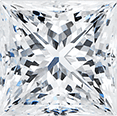
We do not stock princess or old European cuts, so we will not pretend otherwise. Both can be made bespoke at no extra design cost, hand-made in solid gold or platinum in North Harrow, London.
To see the shape in the flesh, browse our oval cut collection or compare it against everything else in the full engagement ring range. Free insured UK delivery and 30 days to decide.
More guides on this topic
Ready to find your perfect ring?
Explore our lab-grown diamond collection or book a virtual appointment with our team.