What Is a Twisted Band Engagement Ring?
A twisted band engagement ring has two strands of metal wound round each other like rope. Most are 1.8 to 2.3 mm wide and suit round, oval and pear stones.
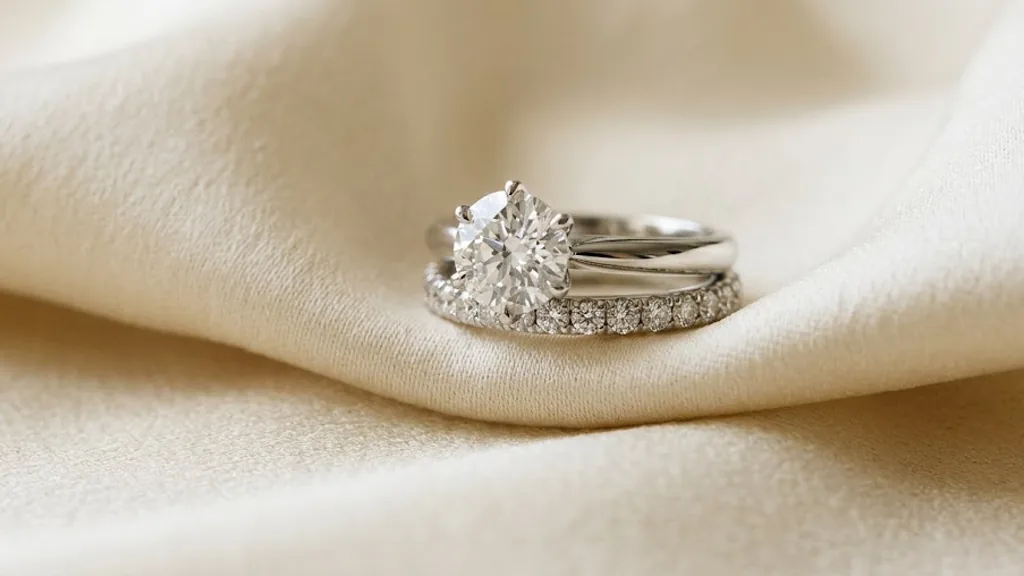
A twisted band engagement ring has a shank (the part of the ring that goes round the finger) made of two strands of metal wound round each other like a rope. One strand is often plain gold or platinum and the other is set with small diamonds. Most twisted bands are 1.8 to 2.3 mm wide, and the twist suits round, oval and pear centre stones best.
What does a twisted band look like on the hand?
A twisted band looks like two thin ropes of metal crossing over each other as they run round the finger, so the ring seems to move as the hand turns. You may also hear it called a rope, swirl or crossover band. The strands usually meet just below the centre stone, leading the eye to the diamond. On our twisted solitaire the band is 2.30 mm wide and 1.40 mm thick.
Which centre stone shapes suit a twisted band?
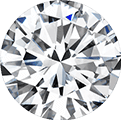
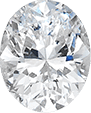
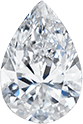
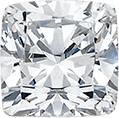
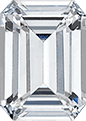
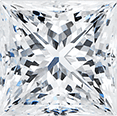
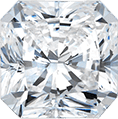
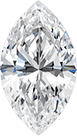
Centre stone shapes with soft, curved outlines suit a twisted band best: round, oval, pear and cushion. The curving strands repeat the curve of the stone, so the ring reads as one flowing line. Straight-edged step cuts such as emerald and asscher can look busy on a twist. A 1 ct round brilliant, about 6.5 mm across, is the classic partner for a twisted shank.
Is a twisted band as strong as a plain band?
A twisted band is a little less hard-wearing than a plain band of the same width, because each strand is thinner than one solid shank. The difference only really matters on fine bands under about 1.5 mm. A well-made twist in 18ct gold or platinum, 1.8 to 2.3 mm wide, is built for daily wear. Ask your jeweller to check the joins between the strands every 12 months.
How do you clean a twisted band engagement ring?
A twisted band engagement ring needs slightly more cleaning than a plain band, because hand cream and skin oil collect in the grooves between the strands. Soak it for 10 to 15 minutes in warm water with one drop of washing-up liquid. Then brush along the twist with a soft baby toothbrush and rinse in a bowl, never under an open tap. Avoid toothpaste and bleach.
Which wedding band sits best with a twisted engagement ring?
A wedding band for a twisted engagement ring is usually either a matching twist or a plain band of the same width, typically 1.8 to 2.3 mm. A matching twist reads as one design, while a plain band calms the look and lets the engagement ring lead. Check that the two sit flush, because a twist that rises under the centre stone can leave a small gap against a straight band.
Our three twisted designs each put the twist in a different place, with widths taken from the product pages.
| Ring | Where the twist is | Band width | Price |
|---|---|---|---|
| Twisted Round Cut Engagement Ring | The four claws twist round the stone | 2.30 mm | £1,007 |
| Halo Round Cut Engagement Ring | A twisted pavé shank below a halo | 1.80 mm | £707 |
| Twisted Round Cut Half Eternity Band | The whole band twists, set with 1.00 mm diamonds | 1.80 mm | £657 |
The Twisted Round Cut Engagement Ring, at £1,007, twists its four claws (also called prongs) and ends them in small hearts. The Halo Round Cut Engagement Ring, at £707, puts the twist into a pavé shank, a band set with tiny diamonds, as our guide to pavé rings explains. The Twisted Round Cut Half Eternity Band, at £657, is the matching wedding band. Prices are correct at the time of writing.
At CarbonstoneUK in North Harrow, London, every centre stone comes with a free IGI certificate. See every design in our engagement ring collection.
Frequently asked questions
Is a twisted band the same as an infinity band?
No. An infinity band crosses its strands once or twice to form a figure-of-eight loop, usually at the top of the ring. A twisted band keeps its 2 strands winding round each other along the shoulders or all the way round. Jewellers treat them as different designs.
Can a twisted band engagement ring be resized?
Yes, usually by 1 or 2 sizes. The jeweller cuts the band at the back, where the twist is least visible, and rejoins the pattern. A twist set with diamonds all the way round, like a full eternity band, is much harder to resize, so get the size right first.
Does a twisted band catch on clothing or hair?
No, not usually. The strands are polished smooth and sit close together, so a well-made twist feels much like a plain band of 2 mm. Snagging nearly always comes from a claw that has lifted, not from the twist. If a ring starts catching on jumpers, have the claws checked.
Is a twisted band comfortable for everyday wear?
Yes. A twisted band of 1.8 to 2.3 mm is as comfortable as most plain bands, and our twisted designs are 1.40 to 1.70 mm thick. The outside has gentle ridges, but the inside is smooth against the skin. Most people stop noticing the texture within a few days.
Can you have a twisted band made in platinum?
Yes. Platinum suits a twist because it is dense and holds its shape, and it is hallmarked at 950, meaning 95% pure. It needs no rhodium plating, so the grooves stay white without replating. Our twisted designs can also be made in 18ct yellow, white or rose gold.
What is the difference between a twisted and a braided band?
A twisted band winds two strands of metal round each other, while a braided band weaves three or more strands over and under, like plaited hair. A braid is usually wider and more textured. A twist is slimmer, which suits an engagement ring very well.
More guides on this topic
Ready to find your perfect ring?
Explore our lab-grown diamond collection or book a virtual appointment with our team.