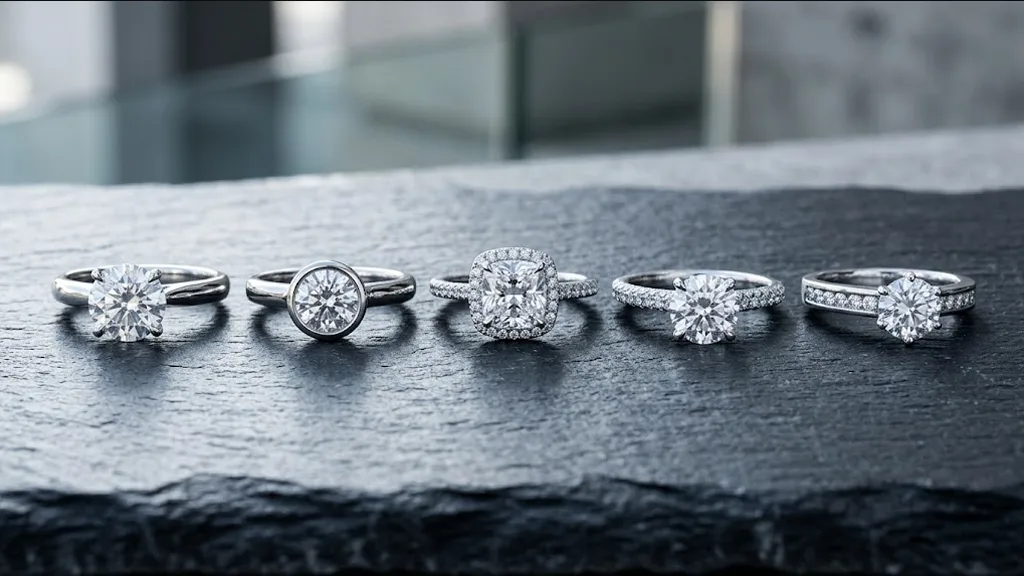
Five settings cover almost every ring we make: claw, rubover, halo, pave and channel. A claw setting holds the stone with 4 or 6 small metal fingers.

CarbonstoneUK is a UK jeweller based in North Harrow, London, hand-making lab-grown diamond engagement rings and wedding rings in solid gold and platinum.
Five settings cover almost every ring we make: claw, rubover, halo, pave and channel. A claw setting holds the stone with 4 or 6 small metal fingers.
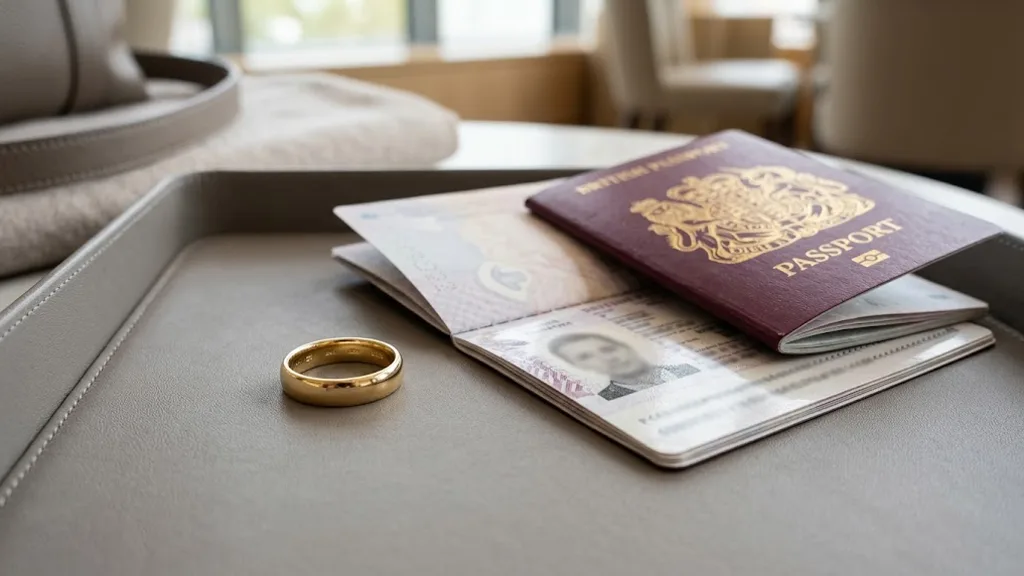
A wedding ring will not set off an airport metal detector. Gold, platinum and silver are not ferromagnetic, and a 9ct or 18ct band is no different.
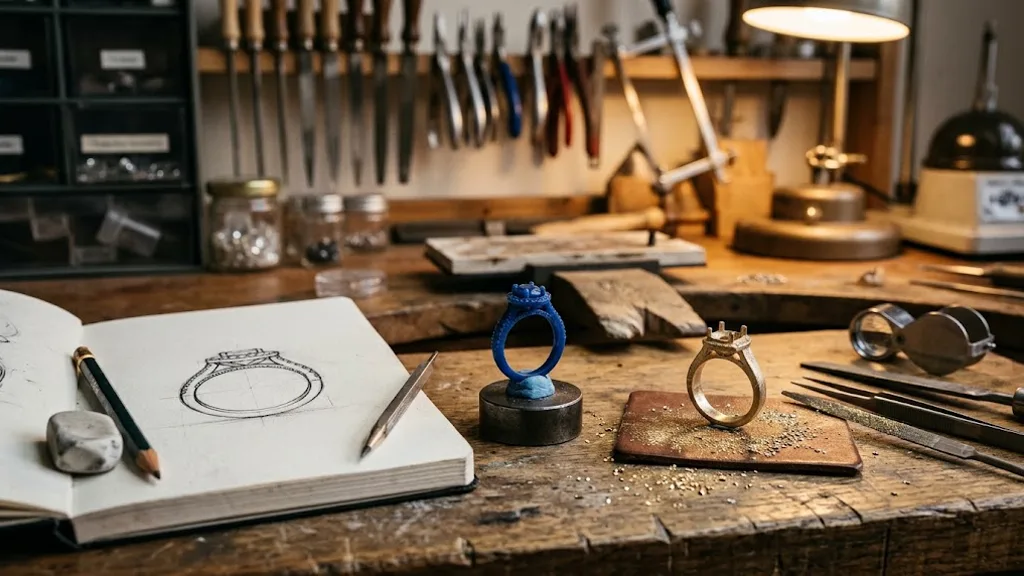
Yes, any CarbonstoneUK wedding ring can be made bespoke. Work in 18ct gold or platinum at no extra design cost, with no workshop attendance needed.
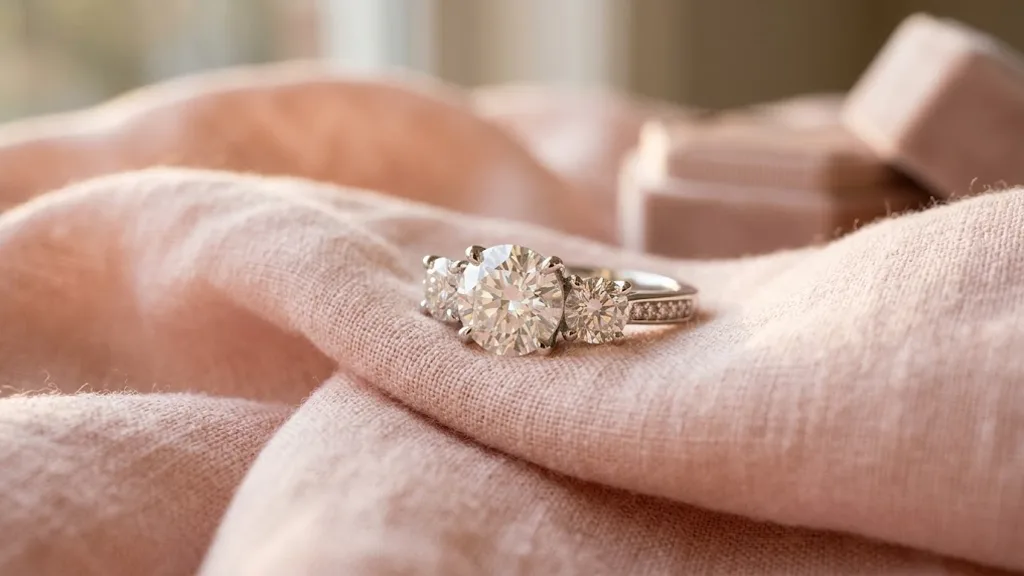
A three stone ring’s diamonds traditionally mean past, present and future. We stock 5 designs, and cover which wedding bands pair with them best.
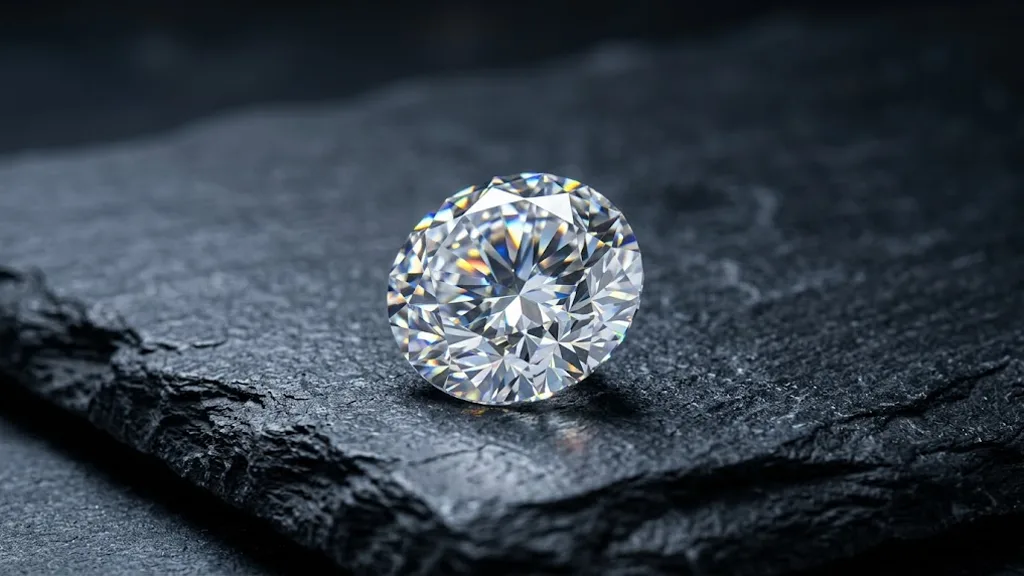
Lab-grown diamonds can be grown well past 5ct. Genuine 3-5ct centre stones are available, and per-carat cost climbs sharply across that range.
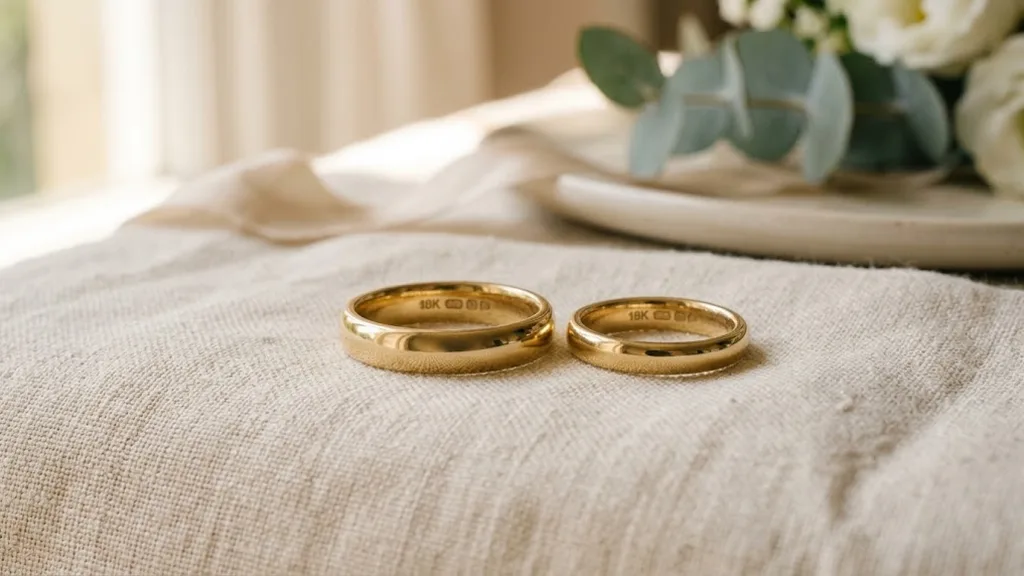
Yes, 18ct gold is a good wedding ring metal. At 75% pure gold it stands up to daily wear, and we stock it in yellow, rose and white gold options.
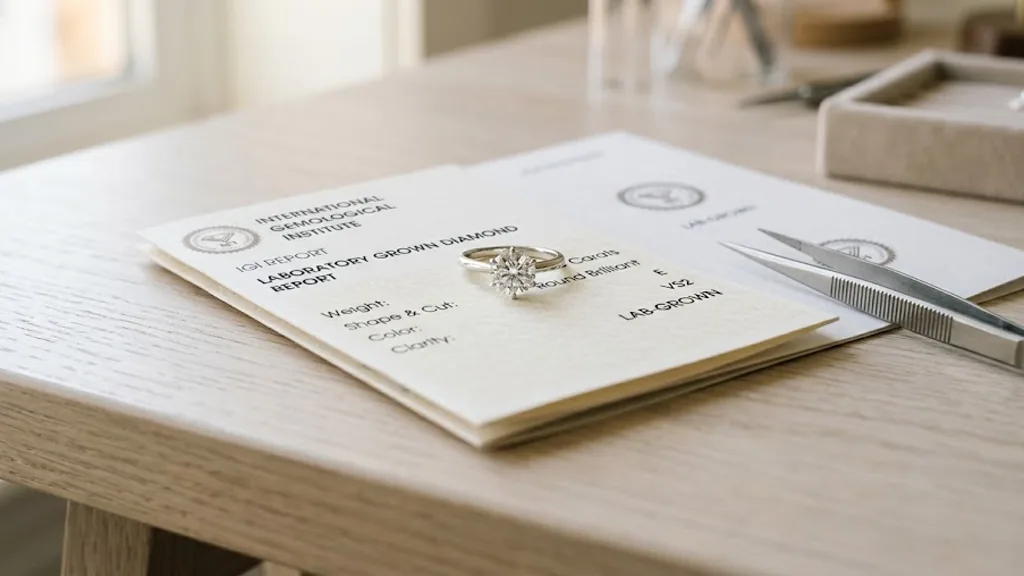
Yes. GIA has examined lab-grown diamonds since 2007, but from October 2025 it classes them Premium or Standard, not D to Z. IGI still grades in letters.
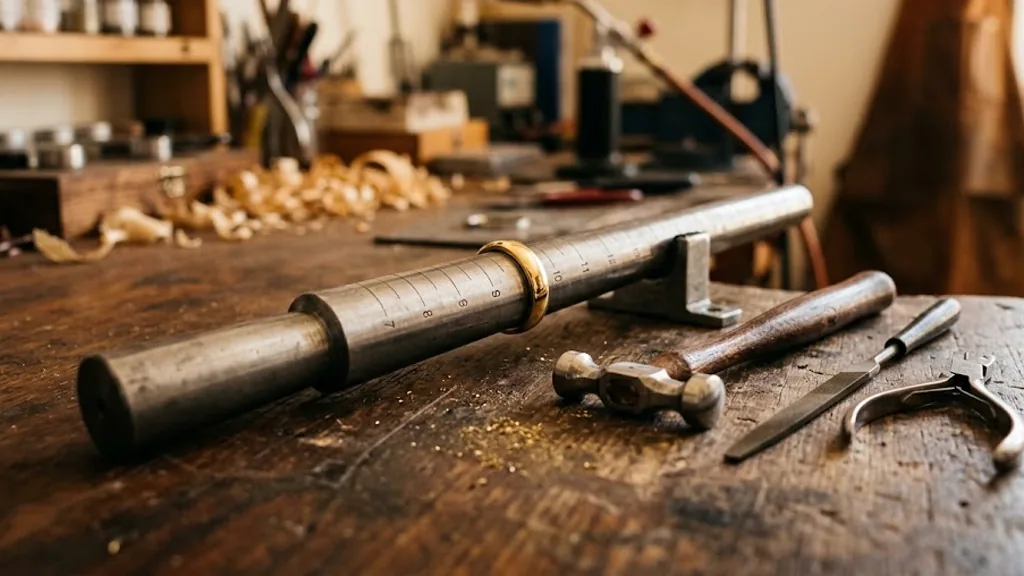
A stuck wedding ring usually comes off with cold water, elevation and washing-up liquid. The floss trick, when to stop, and the carat-matched repair after.
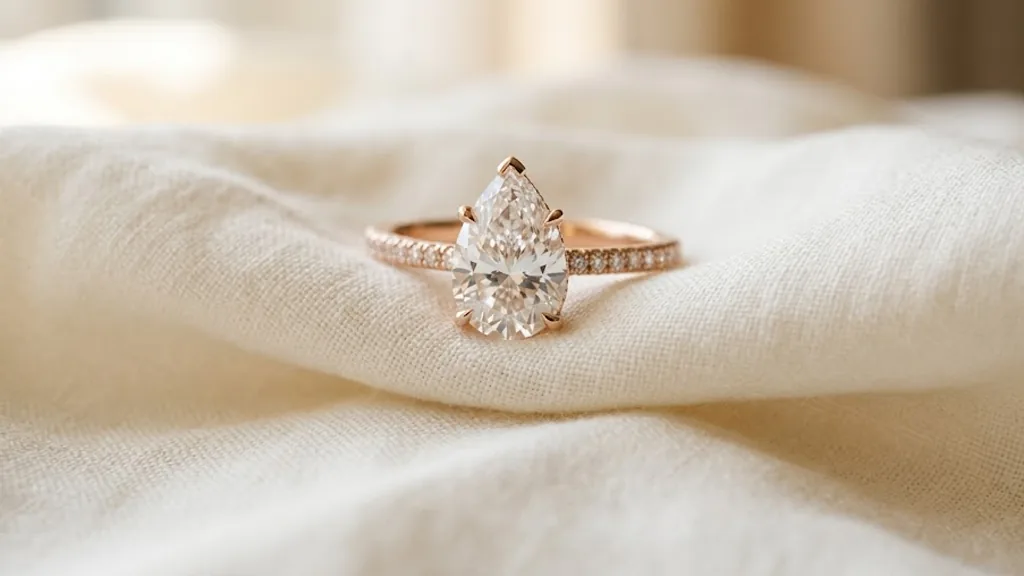
Yes. Pear is the second most stocked shape we make, at 11 rings behind round. No public figure measures shape popularity, so this is what our bench sees.
An I colour diamond sits third in the near-colourless band, below H and above J. In yellow gold it reads white; in platinum an IGI-graded I can look warm.
You cannot copy content of this page
Join our list for early access to new collections, and unlock your welcome code — plus complimentary gift packaging.