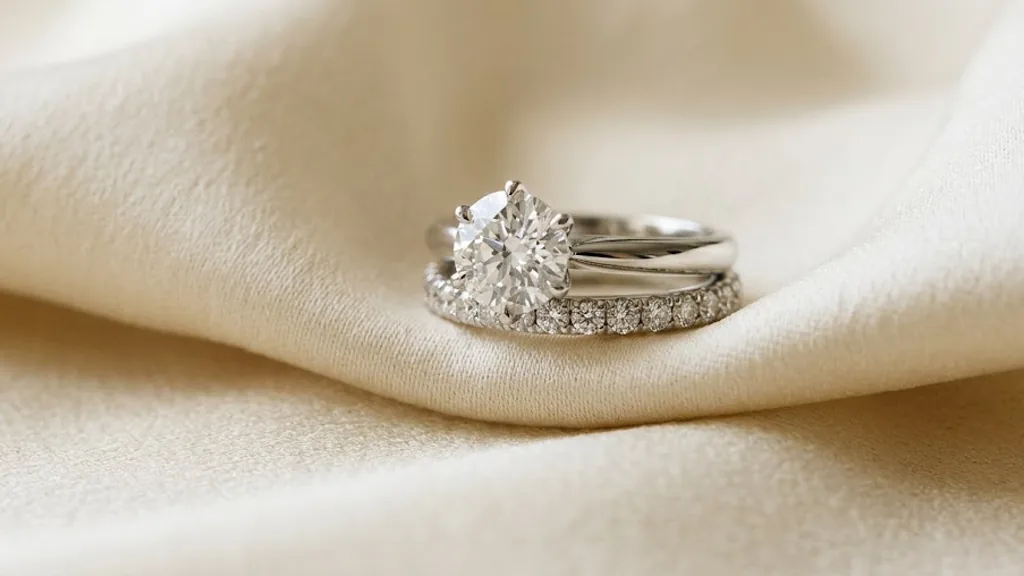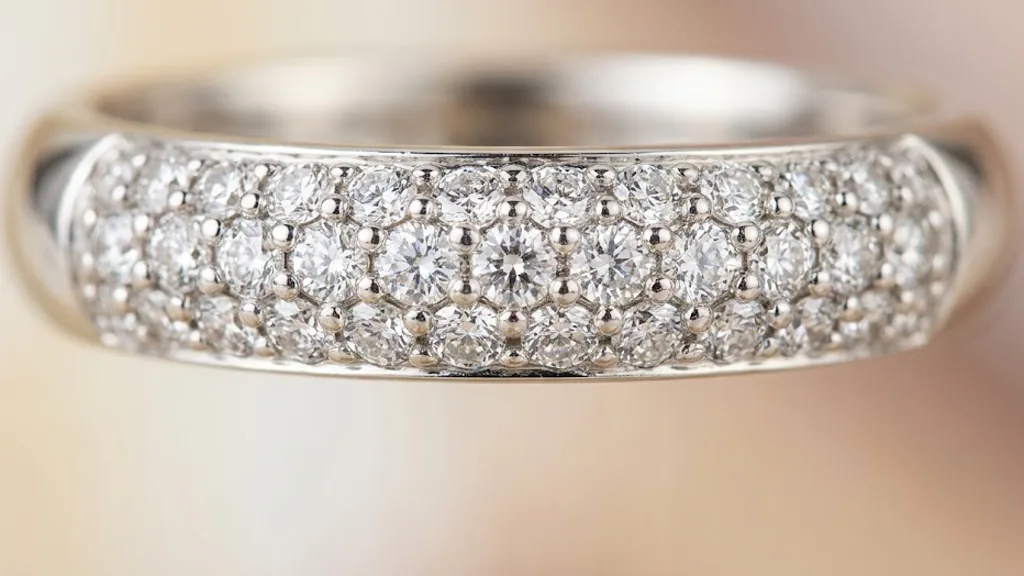
A shared claw setting holds a row of diamonds with each claw gripping two stones. A row of 5 needs 12 claws, not 20, so more diamond shows and less metal.

CarbonstoneUK is a UK jeweller based in North Harrow, London, hand-making lab-grown diamond engagement rings and wedding rings in solid gold and platinum.
A shared claw setting holds a row of diamonds with each claw gripping two stones. A row of 5 needs 12 claws, not 20, so more diamond shows and less metal.
A twisted band engagement ring has two strands of metal wound round each other like rope. Most are 1.8 to 2.3 mm wide and suit round, oval and pear stones.
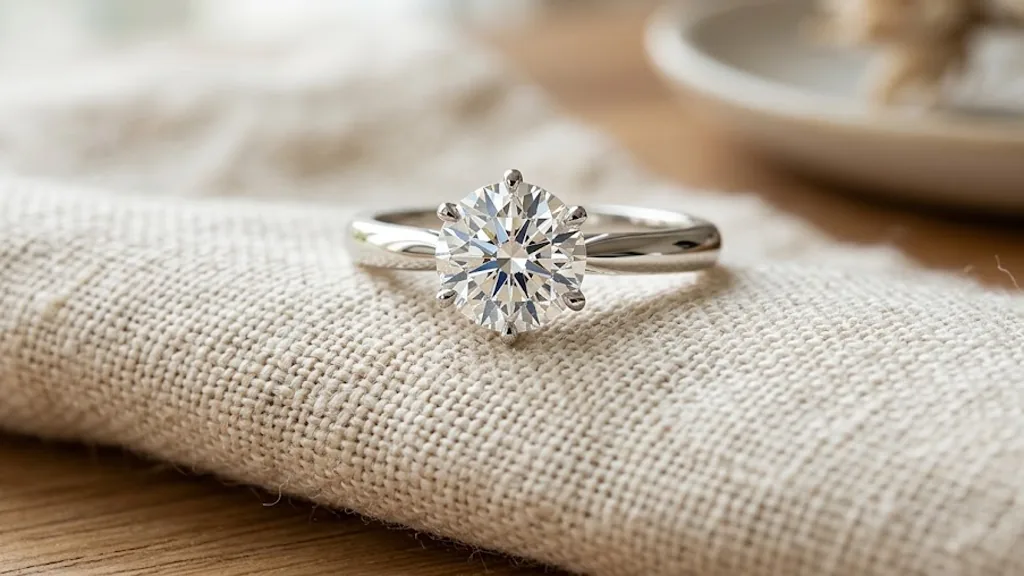
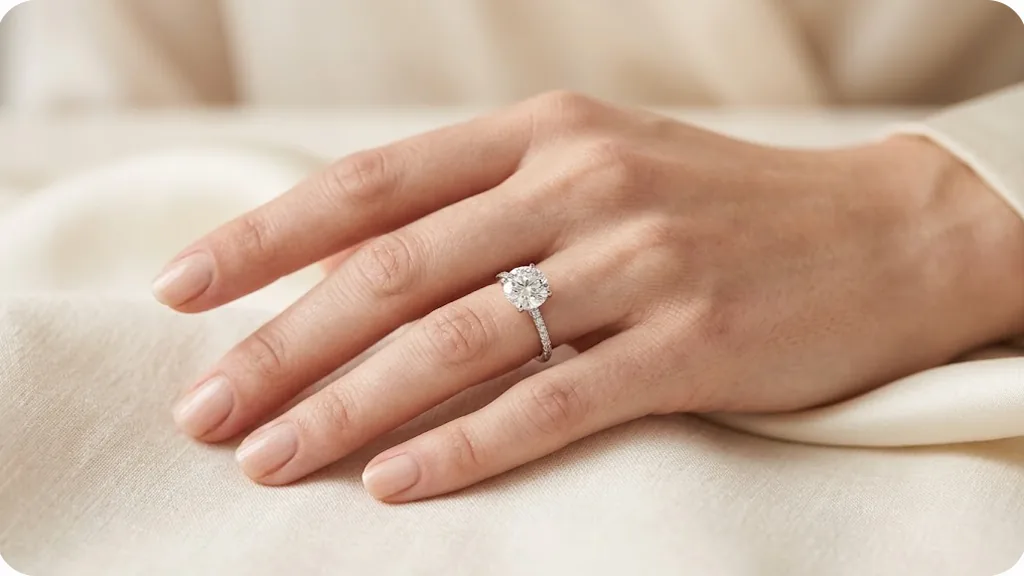
A minimalist engagement ring is slim and low, with a band of 1.5 to 2 mm and one modest diamond. Thinner than 1.5 mm, the band bends and wears sooner.
A chevron wedding band dips into a V to sit flush under a pear or marquise stone. Most are 1.4 to 1.6 mm wide and made to match the engagement ring.
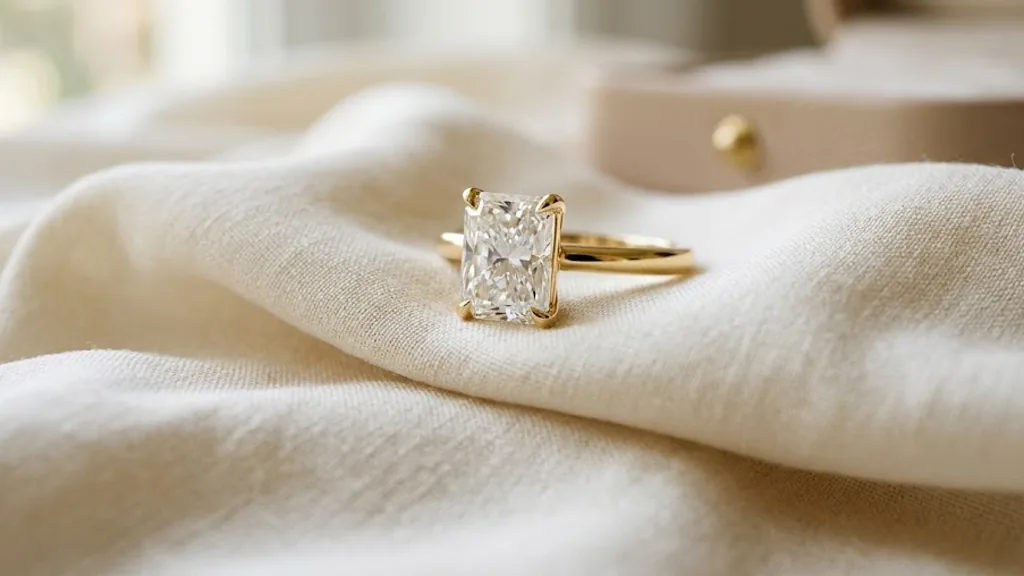
A radiant cut is a clipped-corner square or rectangular diamond with about 70 facets. A 1 ct radiant measures roughly 7.00 x 4.98 mm on the hand.
A nature-inspired ring uses leaf, flower, vine or wave motifs. Detail under the stone wears best; raised leaves on a 1.70 mm band soften sooner with wear.
A toi et moi ring sets two main stones side by side, one for each partner. Ours pairs a 1 ct and a 0.75 ct lab-grown pear diamond in white gold.
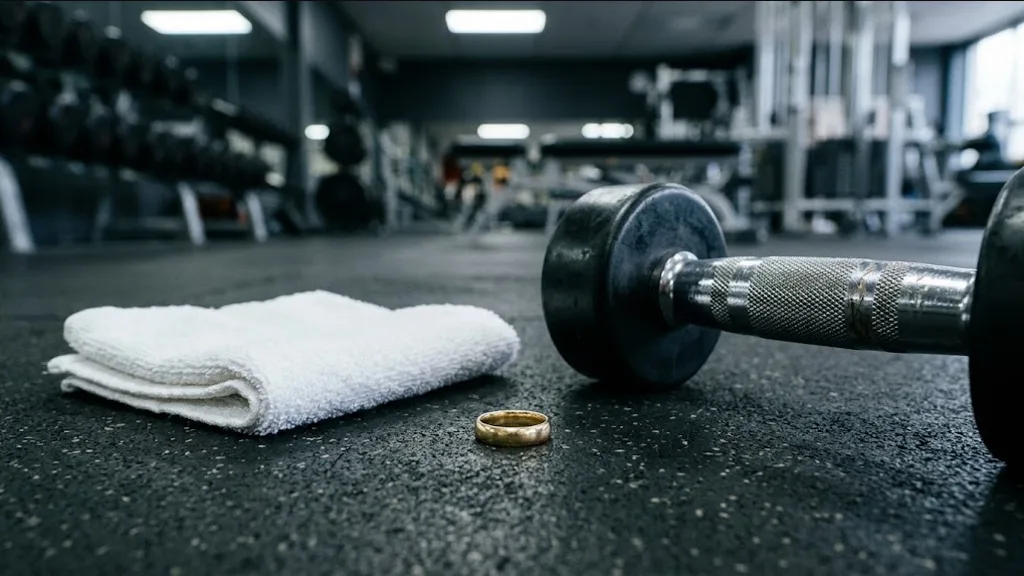
Better not to. Bars and dumbbells press gold out of round, and a 2mm band bends fastest. Degloving is rare but real, which is why we say leave it off.
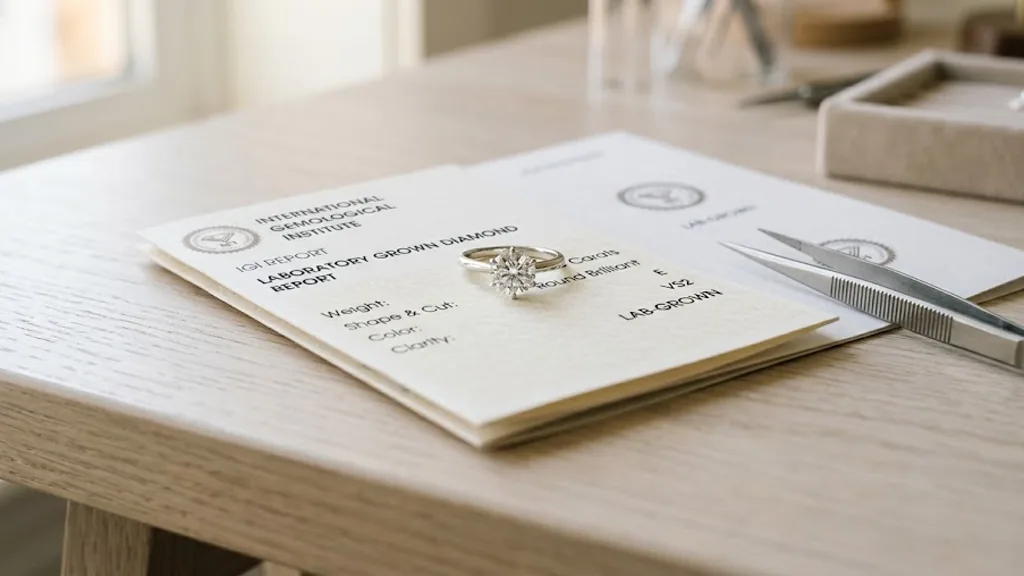
P1, P2 and P3 are Pique clarity grades from older European reports, roughly I1 to I3. They are the lowest tier, and IGI does not use them on ours.
Traditionally the proposer pays, though many couples now split the cost or buy together. No reliable UK figure exists, so let the 2 of you set the budget.
You cannot copy content of this page
Join our list for early access to new collections, and unlock your welcome code — plus complimentary gift packaging.