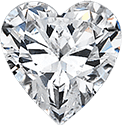
A single cut diamond has 17 or 18 facets instead of 57. Why fewer facets is deliberate, where you find them, and whether it matters.

Understand diamonds properly. Clear explanations of the 4Cs, diamond shapes, certification and how to get the most beauty for your budget.
A single cut diamond has 17 or 18 facets instead of 57. Why fewer facets is deliberate, where you find them, and whether it matters.
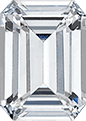
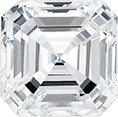
Step cut diamonds – emerald, Asscher, baguette – use long mirror facets instead of sparkle. What they suit and the one rule for buying.
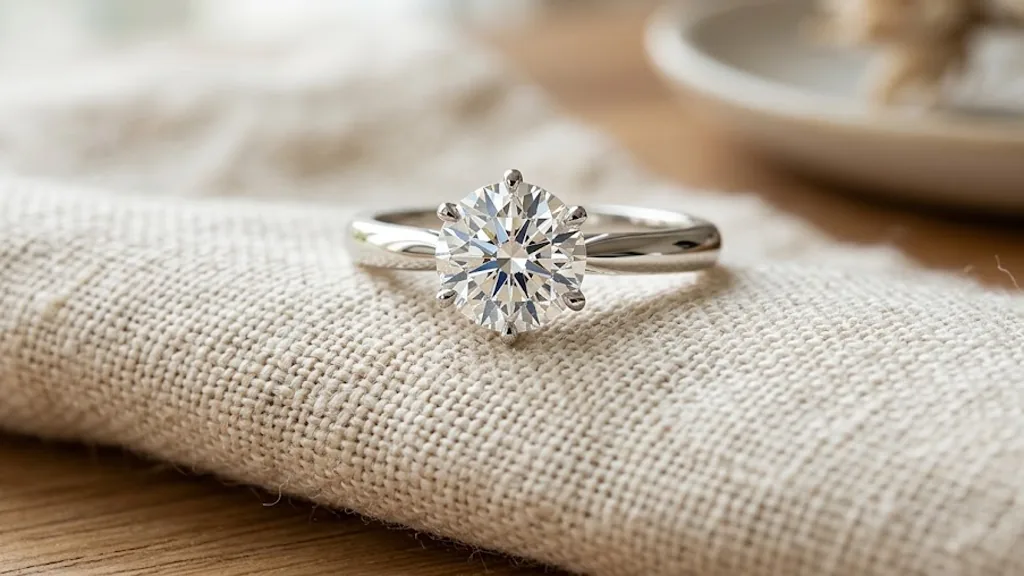
A round cut diamond has 57 or 58 facets. Every facet named and explained, plus why it is properly called a round brilliant cut.
Super ideal is a seller’s term, not a lab grade. What it really means, whether you can see it, and where the money is better spent.
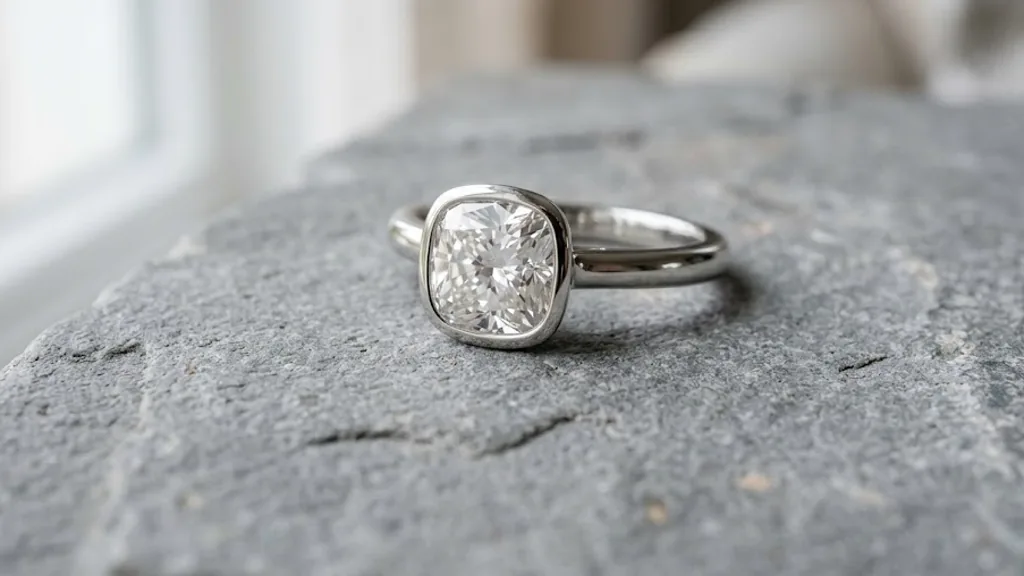
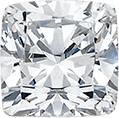
A cushion cut diamond has 58 facets – and modified cushions have 61 to 64. What the count means for sparkle, and what matters more.
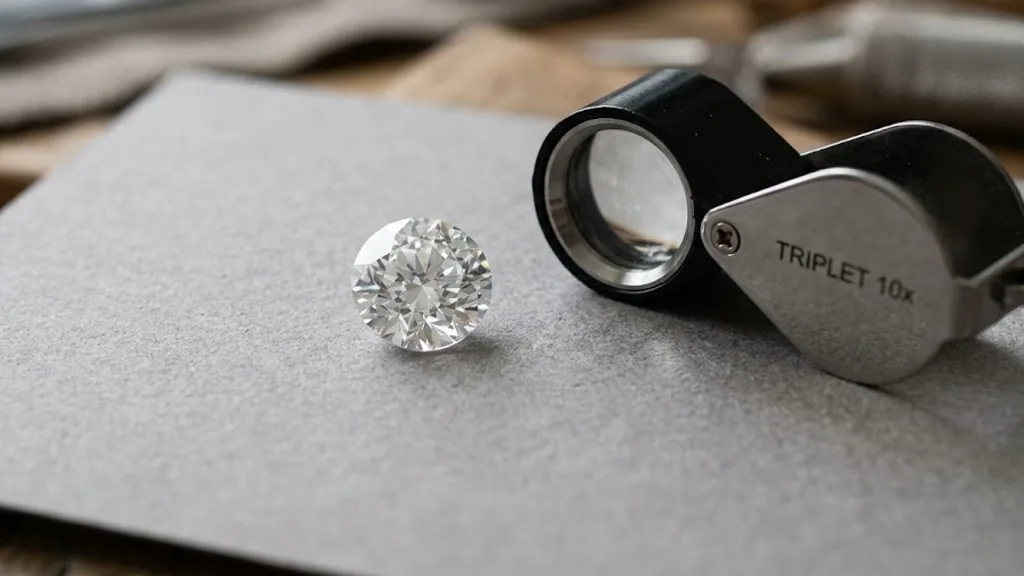
How laboratories grade diamond clarity at 10x magnification, why graders disagree, and a simple method to judge a stone yourself.
Clarity affects a diamond in four ways, and only one of them matters much. An honest look at price, appearance, brightness and durability.
How diamond clarity works, the five things graders judge, how to find your stone’s grade and how to see inclusions yourself.
The right diamond clarity grade for your shape, size and setting, plus the grades to avoid and a three-question shortcut.
Cut creates sparkle, not colour or clarity. Here is exactly what each C changes, and how to spend your budget for the brightest stone.
You cannot copy content of this page
Join our list for early access to new collections, and unlock your welcome code — plus complimentary gift packaging.